


 Munzir Hakimi
Table of Contents
Introduction
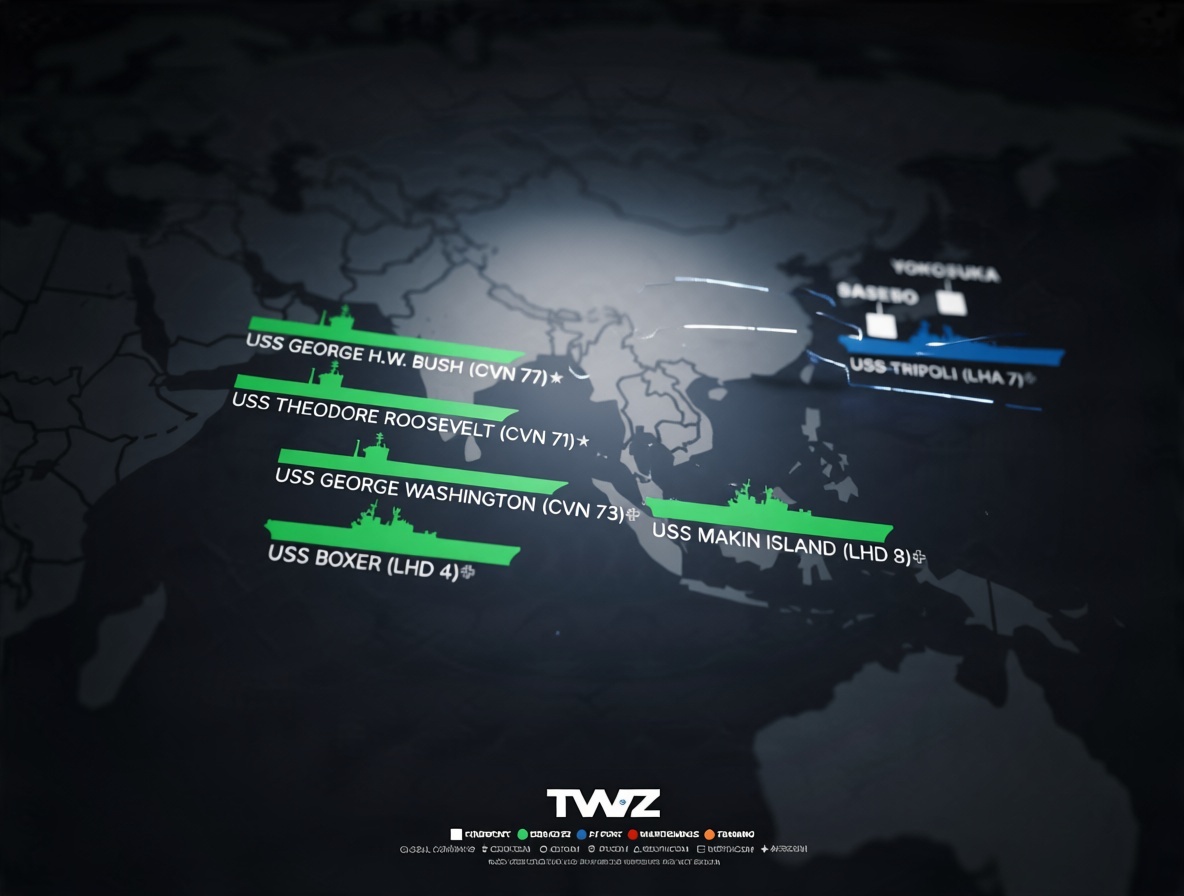
When a carrier swap happens, it can feel like a held breath finally breaking. The moment USS Theodore Roosevelt reaches the Middle East to relieve USS George Washington, the handoff can instantly change watchkeeping choices, and that shift is easy to feel even from home.
For military households, that handoff can reset deployment timing, leave plans, and daily communication routines as one crew steps away and another settles in. Soon after, the change shows up in a November 21, 2026 carrier map that records arrival, departure, and station coverage, not a static lineup. That matters because it turns a waiting feeling into visible movement you can follow.
The Moment A Carrier Handoff Begins
There is a jolt when a carrier swap begins, because the change is not only about ships far away. USS Theodore Roosevelt reaching the Middle East to relieve USS George Washington is a handoff that can spark immediate watchkeeping choices. For sailors, that means the plan for who stands watch and when can shift in a blink, and they feel it in the rhythm of their day right away.
Watchkeeping choices are simply who takes which watch and when, and a handoff can shuffle that right away. For a sailor, the next shift may not look like the last one, the next rest block may land in a different spot, and the next meal may come at a new time. They may need to adjust fast, and that pressure is real because the whole day is already built around the watch schedule.
The ease comes when the handoff is clear and the new watch plan settles. Until then, sailors wait to know what their next hours look like, and that waiting can feel longer than it sounds. That is why the moment matters so much: it can change their day before anything else does, and they have to live that change right away, not later.
When A Carrier Relief Resets Home Life
For military households, a carrier relief can feel like the ground shifts under a calendar you already memorized. Deployment timing can reset, leave plans can move, and daily communication routines can change as one crew hands off and another settles in. That is not a small detail; it can change what a family plans for next week and how they talk each day.
A spouse may be holding a leave date in their head, or waiting for a usual call window, and then the relief happens and the pattern moves. That can bring relief because the handoff means progress, but it can also bring a quick rush of uncertainty about what comes next. Families feel that mix at home because the schedule is not abstract; it shapes daily routines and when they can exhale.
The relief is easier when the new rhythm becomes clear: who is handing off, who is settling in, and what that means for the weeks ahead. Until then, military households may be bracing for a shift in deployment timing, leave plans, or daily communication routines. That is why the carrier relief matters at home right away: it can reset the plan they build their days around.
The Carrier Map That Shows Real Movement
Sometimes a change is hard to see until someone puts it on a map, and then the shift feels less like a rumor and more like a fact. The change you can see is a November 21, 2026 carrier map that records arrival, departure, and station coverage instead of a static lineup. That matters because you are not just seeing a list of names; you are seeing movement you can actually follow, and that changes how the moment feels.
A static lineup tells you who is there on paper, but it does not show the whole story of what just changed. The November 21, 2026 carrier map gives you arrival, departure, and station coverage, so the picture is about motion and where coverage is being held. That can bring a quiet sense of relief, because the map shows change in plain sight instead of leaving you to guess.
You can look at that map and see a moment instead of a frozen list. Arrival and departure are recorded, and station coverage is there too, so the shift is easier to trust because it is visible. That is why the map matters: it turns a static lineup into movement and helps you see what changed.
Conclusion

When you look at the November 21, 2026 carrier map, the change is easier to hold in your mind. Arrival, departure, and station coverage are recorded instead of a static lineup, so you can see a real moment rather than a frozen list. That small shift matters because a quiet kind of relief can come when the picture finally matches what is happening.
You do not need to guess at it. The map gives you arrival, departure, and station coverage, and that helps you see the change in plain terms. The takeaway is simple: a static lineup hides movement, and a map that records change lets you meet the moment with less guesswork and more calm.
What do you think? Does knowing Earth’s “delivery story” change how you feel when you look at the stars?