


 Munzir Hakimi
Table of Contents
Introduction
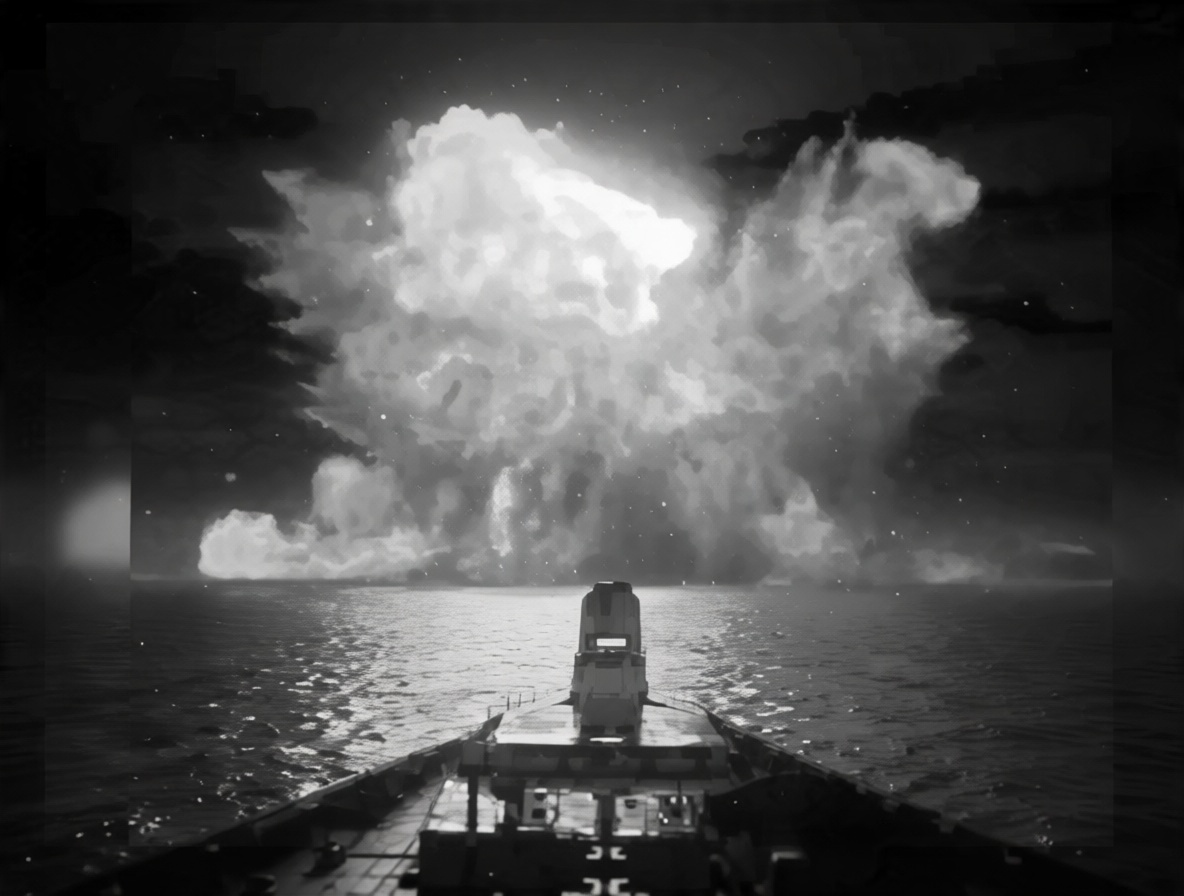
Imagine a threat that starts far beyond the horizon. A sea drone slips out from a hidden mothership, and the people on watch suddenly cannot trust a quiet stretch of water. That uncertainty is the point. It makes distant teams scan wider waters and doubt where the next threat may appear, which turns a far-off launch into a sharper everyday worry.
At home, that worry reaches shipping routes and port schedules. Crews and planners start treating distant sea drone launches as a live daily concern, not a faraway story. Navies and shipping operators may widen surveillance, adjust routes, and ask whether a hidden launch ship sits beyond the Black Sea. That question sounds distant, but it can change how people plan, where they sail, and how safe they feel about the goods and routines they count on.
A Hidden Mothership Changes The Watch
Imagine sitting on watch with a quiet stretch of sea in front of you. A sea drone launched from a hidden mothership can turn that calm view into a knot in your stomach. You feel a jolt of doubt, because you cannot tell where the next threat may appear, and that uncertainty changes how you focus right now.
That doubt is not just a feeling, because when the launch ship stays hidden, distant watch teams may scan wider waters and stop trusting one narrow view. They have to cover more space with the same attention, so every quiet patch starts to look like a question mark. The consequence is real: tired eyes, slower trust, and a watch that never fully settles, which means the people on duty carry the strain home with them.
The choice is simple and hard: do they cover more water or watch one spot more closely? That matters because a missed patch of sea can become a sudden threat, and the team feels responsible for catching it before anyone else has to. A hidden mothership pushes the watch to doubt the next threat, and that doubt follows them through every shift, making each quiet horizon feel less quiet than it looks.
When The Risk Reaches Home Routes And Ports
At home, the worry does not stay at sea. The risk reaches shipping routes and port schedules, so a distant sea drone launch can suddenly feel like a problem in your week. Crews and planners start to treat distant launches as a live daily concern, because a schedule change can ripple into real plans, real pressure, and real choices about what gets done first.
That is why the shift is personal. When planners look at port schedules, they are not just moving numbers around; they are deciding how to keep work moving and how much uncertainty their crews must carry. A launch far away can make a normal day feel fragile, so the risk reaches shipping routes in a way people can feel, even if the launch itself is out of sight.
The choice for crews and planners is practical: do they build in more slack, or do they push ahead and hope the schedule holds? That matters because a distant launch treated as background noise can turn into a day of rushed decisions and tired people trying to catch up. Once it becomes a live daily concern, people plan differently and the pressure at home stops feeling quite so distant.
Widening Eyes And Shifting Routes
When people cannot see the launch ship, they respond by looking harder. Navies and shipping operators may widen surveillance, because every quiet patch of water now feels like it could hide an answer, and nobody wants to be caught staring at the wrong spot. That matters because a wider search changes how people spend attention, and attention is exactly what keeps a route feeling safe.
Then comes the practical shift. Shipping operators may adjust routes to avoid the feeling of a blind spot, and that decision can change timing, fuel, and the rhythm of a voyage. It is not abstract, because a route change is a real choice made by real people who want to feel less exposed, and that choice can follow them through the whole trip.
And the biggest question may be the one nobody can answer from the deck: does a hidden launch ship sit beyond the Black Sea? Asking that question keeps navies and shipping operators alert, and it turns a far horizon into a place that needs watching, day after day. The consequence is a lasting unease, because a hidden launch ship can make every route feel like it depends on a question no one can settle, and that uncertainty stays with the people who have to move.
Conclusion

In the end, the response is about trying to see what is hidden. Navies and shipping operators may widen surveillance, adjust routes, and keep asking whether a hidden launch ship sits beyond the Black Sea. That question matters because it shapes where attention goes and how exposed people feel on the water.
So when you hear about a wider watch or a shifted route, you can see the human choice underneath. People are trying to answer a question they cannot fully settle, and that is why the search beyond the Black Sea keeps shaping how safe the sea feels. It is a small shift in route, but a big shift in peace of mind.
What do you think? Does knowing Earth’s “delivery story” change how you feel when you look at the stars?