


 Munzir Hakimi
Table of Contents
Introduction
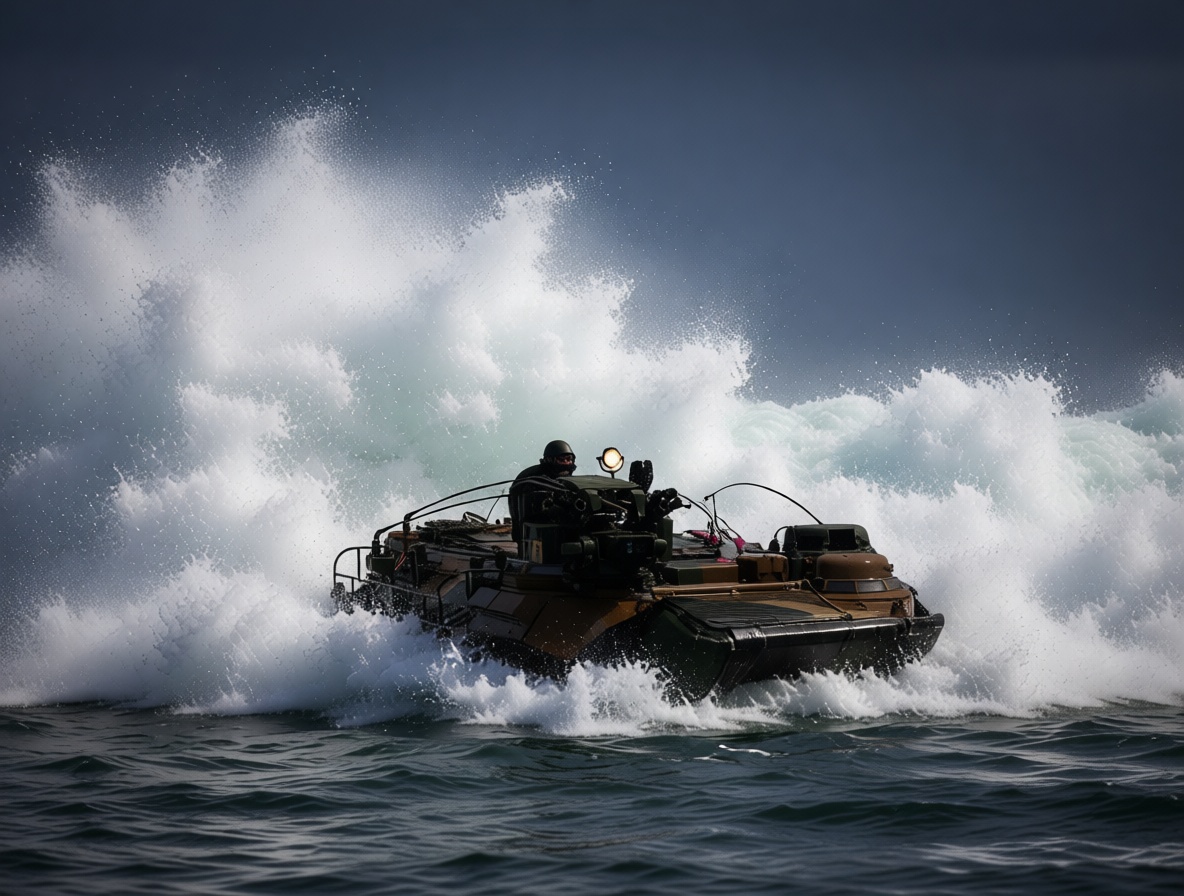
Imagine blocking out weeks for something important, telling your family this is the final push, and then getting word that the whole event is off. That’s the situation Marines just landed in with the canceled amphibious landing drill in South Korea. The first thing that stings is the lost rehearsal time, but the impact doesn’t stop at the training field.
Before long, families and base staff are adjusting to a calendar with unexpected holes. In the background, allied planners are left wondering how to find new training windows or whether to make do with less practice together. It’s a reminder that one cancellation can shake up a lot more than a single day.
The Sting Of Lost Practice Time
When Marines learned the scheduled amphibious landing drill with South Korea was canceled, the first feeling was raw disappointment. It wasn’t a routine day off; it was a rare chance to practice the tricky move from ship to shore until the whole sequence felt automatic, and they wanted this chance badly. Losing that block of time leaves a team that wanted to be sharp now wondering if they’ll actually be sharp enough.
Think of it like losing the last dress rehearsal before a big show. You know the lines and the songs, but you still wanted one more smooth run to catch small mistakes before the curtain rises. Without that run, doubt creeps in, and doubt is heavy when people are counting on you to get it right under pressure.
For Marines, the cancellation also leaves the mental rehearsal unfinished. They can study the plan, walk through the steps on paper, and talk about every phase, but that’s not the same as feeling the ramp drop and hearing the waves. The result is a nagging feeling that the next landing will be a little less polished, and that little bit matters because smoothness is what builds confidence in a high-stakes operation.
Canceled Drills Put Families And Staff On Edge
Once the drill was canceled, the headache didn’t stop at the training field. It moved straight into homes and offices because training calendars suddenly had gaping holes, and those holes affect real choices like school pickup, child care, and whether a planned family visit can still happen. Parents had arranged their lives around a specific exercise window, and now every appointment, pickup, and plan is up in the air, so the ordinary flow of the day feels uncertain.
For military families, a canceled drill is like the company retreat disappearing the week before. You already booked the dog sitter, moved the meeting, and told the kids what was happening, because you built a temporary routine around those dates. Then the rug gets pulled, and you’re left juggling all the pieces again while acting like it’s no big deal.
Base staff feel it too. They’re the ones who have to reschedule training rooms, range time, transport, and support personnel, all before the planned exercise window closes. The pressure turns into extra work and last-minute fixes, and that stress lands on the same people who were trying to make the original timeline work; now they’re doing damage control on top of their normal jobs.
Alternative Windows And Hard Trade-offs
After the sudden cancellation, all allied military planners are stuck with two uncomfortable options. They can hunt for a new training window where enough troops, ships, and schedules line up, or they can accept less practice together than they originally planned. Neither choice feels good, but something has to give, and the longer they wait, the harder it becomes to find a clean answer.
Finding a new window is hard because everyone’s calendar is already packed. It’s like trying to book one meeting with ten busy friends in the same week, except the meeting involves moving ships and thousands of personnel across a wide area. If a slot appears, it probably won’t be as complete or as comfortable as the original, so they may have to settle for a shorter version.
If no window opens, the fallback is accepting less combined rehearsal. That means units may train on their own, learn their own pieces, and hope the real operation still comes together later. The quiet worry underneath is that preparation is what turns a risky mission into a doable one, so less time together means more guesswork when it counts, and that’s a heavy thing for any planner to carry.
Conclusion

When plans fall apart, the meaningful choice is what comes next. Allied planners can keep looking for a new training slot, or they can make peace with less combined rehearsal and move forward anyway. That decision won’t be easy, and it may not feel as clean as the original plan, but it has to be made.
For anyone watching, this is a reminder that a canceled plan doesn’t erase all preparation. It just forces you to decide whether to chase a replacement or adapt with something smaller. Either way, the goal stays the same: get ready as best you can with the time you actually have. There’s no perfect answer, but there is still a workable one.
What do you think? Does knowing Earth’s “delivery story” change how you feel when you look at the stars?