


 Munzir Hakimi
Table of Contents
Introduction
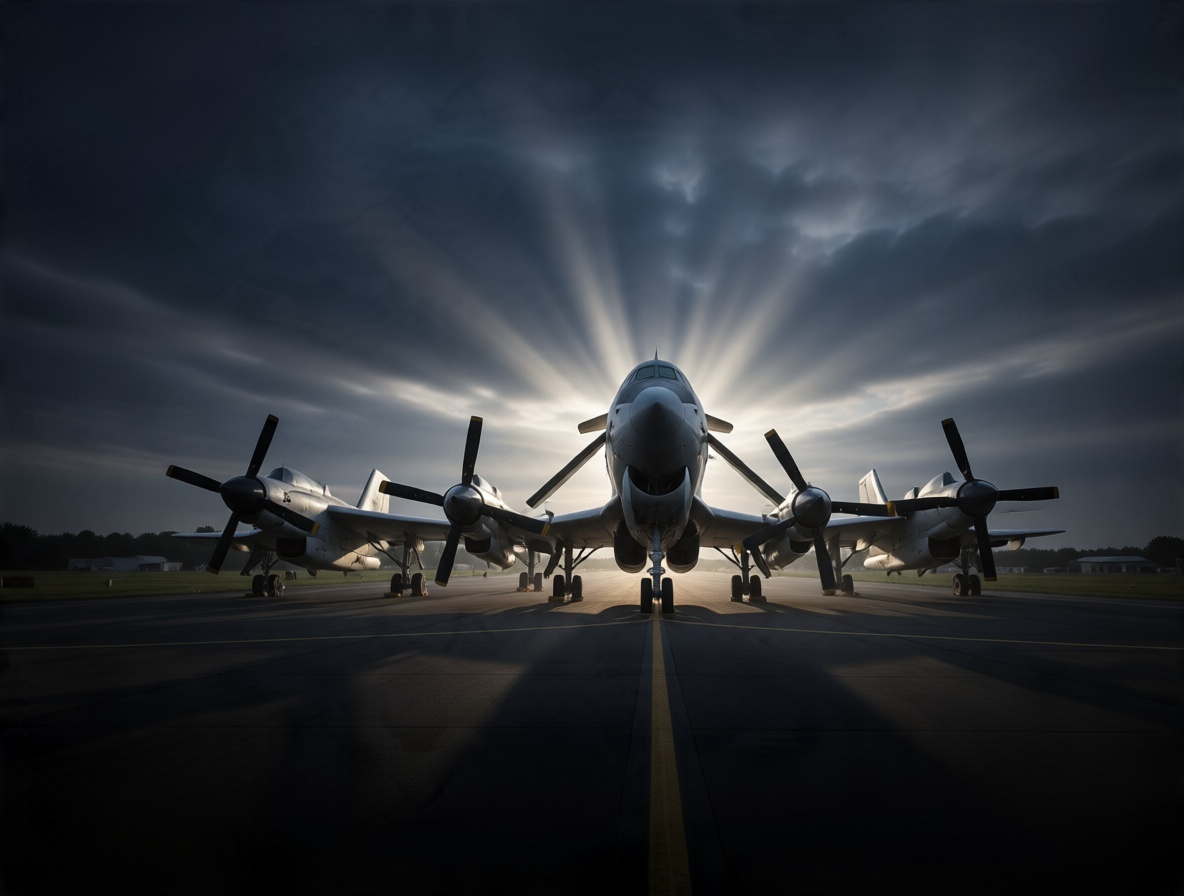
Some moments feel like a single alert. Then the pieces line up, and the mood changes. Two Tu-95s and two Il-76s touching down in Da Nang after air alerts is one of those moments, because it makes the Japan airspace and Taiwan approach feel closer than before. That shift matters because it can turn a distant worry into something you follow with your whole attention.
Behind that moment, crews and planners are facing extra tracking and faster choices as alerts overlap. Analysts are tying the Japan airspace violation, the Taiwan approach, and the Da Nang touchdown into one alert chain. Why should you care? Because when small moments connect, your sense of what is calm and what needs watching can change fast.
When The Timeline Sharpened Around Japan And Taiwan
There’s a moment when a faraway flight stops feeling abstract, and that’s what happened when two Tu-95s and two Il-76s touched down in Da Nang after air alerts. For defense watchers, the timeline suddenly got sharper around Japan airspace and the Taiwan approach, and the old distance between the two no longer felt so easy to brush aside. That sharpness matters because it turns a loose picture into something people feel they need to watch closely, and that feeling can spread fast.
Defense watchers don’t just see planes; they see timing. The landing made the Japan airspace and Taiwan approach feel closer together, so the picture felt more urgent. That urgency matters because it changes how people pay attention, moving a distant alert from background noise to something they follow with real focus, and that focus shapes what they notice next.
For anyone watching from the outside, timing shifts can change the mood. You might read an update differently, stop skimming, and start looking for what comes next, because the sequence now feels like something you need to keep in view. That’s the human consequence: a sharper timeline makes the alert feel real, and once it feels real, it’s harder to ignore.
Extra Tracking And Quicker Decisions For Crews
For crews and planners, the Da Nang landing is not just a simple sight to log, and it’s not something they can wave off. It means extra tracking time and new routines as Japan and Taiwan alerts overlap. That matters because when alerts overlap, small delays can feel huge, and people in the room need to make quicker decisions while still holding the whole picture in view.
The pressure shows up in ordinary, human ways. A planner may revise an air-alert routine, and a crew member may spend more time tracking before acting, because overlapping alerts leave less room for guesswork. Quicker decisions come with weight since every choice now sits against more than one alert at a time. That weight changes how people work together, how carefully they speak, and how fast they trust a read.
For anyone who relies on those crews and planners, this is about more tracking and less room for delay. You may not see the extra hours, but you feel the real result when decisions land sooner and routines click into place. That’s the human trade: sharper routines can bring real relief, but they also ask people to stay switched on and ready to move.
One Alert Chain Tracked Before Regional Updates
Analysts are no longer looking at the Japan airspace violation, the Taiwan approach, and the Da Nang touchdown as separate flashes that fade one by one, each easy to forget. They now treat them as one alert chain, and that shift changes what they watch for and how they talk about it. Why care? Because a chain tells a story, while separate flashes just make people nervous without showing them where to look next.
That means tracking the Tu-95s and the Il-76s carefully before regional updates arrive. The chain comes first, and the updates follow, so analysts can read the next signal instead of only reacting to it. For anyone following the news, it turns a jumble of alerts into a pattern you can hold in your head and use to steady yourself, even when the next regional update hasn’t landed yet.
The practical effect is emotional as much as tactical, because when you see the chain, the latest update feels less random. You can ask what piece fits where, and that question changes how you pay attention. It doesn’t remove the worry, but it gives the worry a shape, and a shaped worry is easier to work with when the next update lands.
Conclusion

It’s easy to treat each alert as its own scary moment. But analysts now see the Japan airspace violation, the Taiwan approach, and the Da Nang touchdown as one alert chain. That matters because it changes how you watch the next regional update. You stop asking only ‘What just happened?’ and start asking ‘Where does this fit?’
It doesn’t make the worry disappear. It gives the worry a shape, and a shaped worry is easier to hold. So track the chain, not just the latest regional update. The updates feel more like one chain you can follow without losing your footing.
What do you think? Does knowing Earth’s “delivery story” change how you feel when you look at the stars?