


 Munzir Hakimi
Table of Contents
Introduction
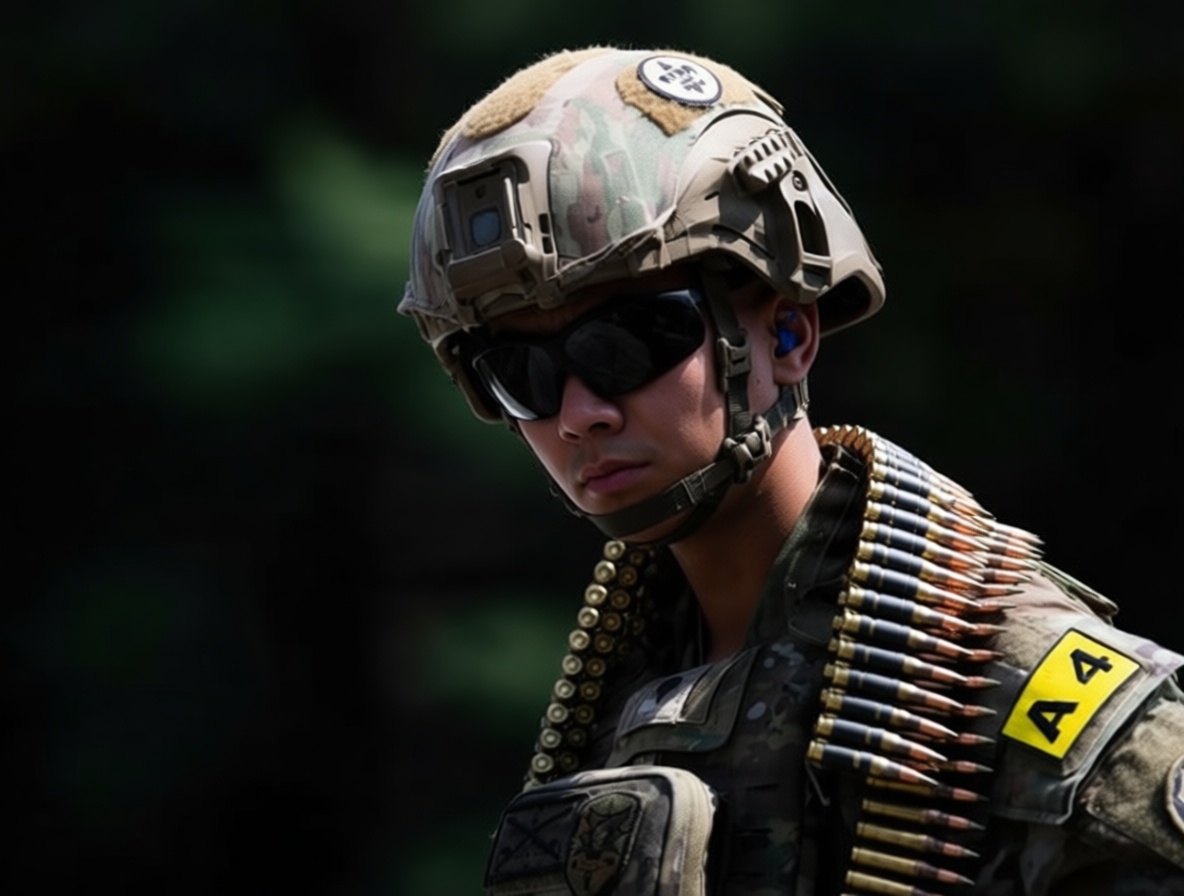
Imagine a tool built to help pick targets in a fight. Now imagine that same kind of software being asked to help decide what ammunition gets counted, requested, and sent. That shift raises a quiet question: when a machine helps with decisions, do people trust it or watch it closely?
Palantir’s AI may move into ammo management, where every count can turn into a supply choice. That touches daily routines because each request costs time and money, so tracking can feel like a trust test. Defense teams may compare targeting-data tools with ammo-tracking workflows, watching whether commanders lean on AI outputs or keep manual checks. The real stakes are human: who decides, who checks, and what gets trusted when pressure is on.
Ai Moves From Targeting Data To Ammo Choices
Palantir’s AI software is designed for targeting and decision data, and now it may also manage ammunition. That can make you stop and wonder what happens when a decision tool starts counting supplies and nudging people toward one option over another. If that sounds small, it is not, because the same system could help turn a number on a screen into a choice about what gets sent.
Planners would then track how counts become supply choices. A simple count is not the end of the story; it can shape a request, a resupply plan, or what gets sent first, and someone has to decide what that means. That makes every count a real choice, and for people waiting on ammo, that choice can feel personal and urgent, because it may decide what they have when they need it.
The hope is that AI makes those choices faster and clearer, so planners can spend less energy on the busywork. The fear is that people stop questioning how a count turned into a decision. That is where the count becomes a choice, because if the software gets it right, supply can feel smoother, but if it does not, the result can land on real people.
Every Count Can Feel Like A Trust Test
Ammo management is not just a back-room task that no one notices; it touches daily routines in ways people feel, from the first tally to the last request. Every count, request, and resupply choice can eat up time and money, even when nothing goes wrong, and those small costs pile up in ways people talk about. That is why tracking can feel like a trust test, because no one wants to waste what they have.
You can picture the small moments that add up: someone writes down a number, and someone else asks for more. A resupply choice gets made while no one wants to waste time or money, so people may check twice before they commit. Every step asks, can we trust this?, and that pause is human.
When software tracks those steps, it can feel like someone is watching the routine. That can bring relief if it saves time and money, but it can also bring worry if people think the machine misses what they know from doing the job every day. Trust becomes part of the daily job, and that changes how people work together, because a simple count is never just a count anymore, and it can make a normal routine feel heavier or lighter.
Defense Teams Compare Ai Outputs With Manual Checks
Defense teams may compare Palantir’s targeting-data tools with ammo-tracking workflows, and they are not just asking which tool looks better on paper. They are watching how people respond when a machine offers an answer, because that response can tell them more than any side-by-side demo or written summary, and it can reveal what people really value. Will commanders lean on AI outputs, and will that answer show where the real trust lives?
That watching matters because it is not just about the software. It is about what people do when the software speaks, and whether they treat it like a helper or a threat. Some may follow the AI output, while others may keep manual checks close, and that difference can change the whole workflow, deciding whether a decision feels quick, careful, or both.
Defense teams are not just comparing features; they are reading behavior. They watch where confidence shows up and where doubt lingers, because those signals show what people really believe when no one is telling them what to think. Whether people trust the output is the real test, and that answer can shape how decisions get made long after the comparison ends, and it can linger in every future call.
Conclusion

Defense teams may keep comparing Palantir’s targeting-data tools with ammo-tracking workflows. The real story is not only the tools. It is whether commanders lean on AI outputs or keep manual checks, and that choice is the trust test. That is the part that lasts.
Watch for that choice in any team you see. Does the machine get followed, or does someone still check by hand? The answer can shape how decisions feel and how people work together. You do not need to know the software to understand the stakes. You just need to watch what people trust when the pressure is on. That is the human side of the comparison.
What do you think? Does knowing Earth’s “delivery story” change how you feel when you look at the stars?