


 Munzir Hakimi
Table of Contents
Introduction
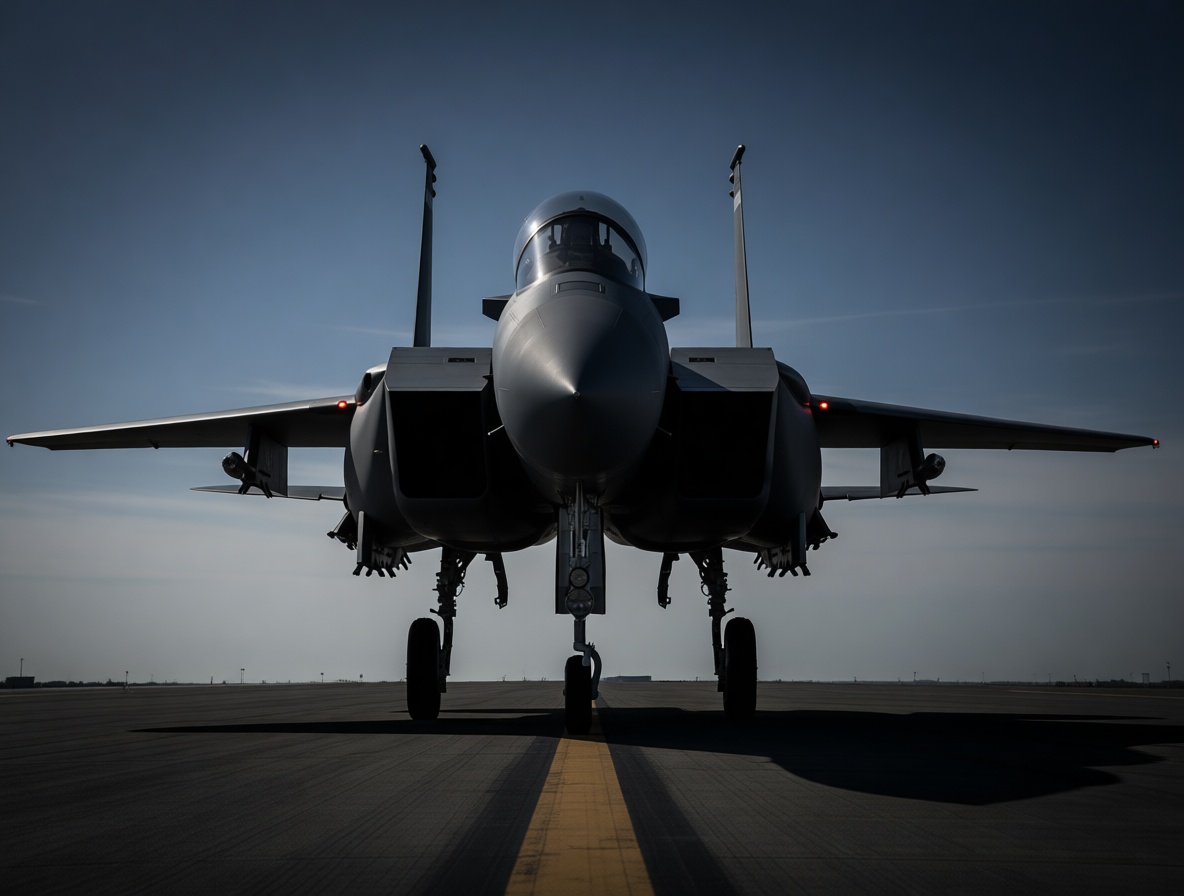
A new deal can feel like just another headline until you see what it changes. Boeing is set to build 22 more F-15EX jets, and that moves the stated total to 120 aircraft. Suddenly, teams have to track each batch, because the count keeps growing.
For the Air Force, that $2.38B award is not just a number on a page. It becomes a concrete budget and scheduling item for planners. And for Boeing, the visible shift is simple: an award lands, 22 jets are added, and the manufacturing total moves to 120. If you care about how big plans become real tasks, this is the moment to watch.
The Contract That Adds More Jets To Track
Imagine a deal landing that changes the count overnight. Boeing gets a $2.38B U.S. Air Force contract for 22 more F-15EX jets. That is not just a headline. It means the stated build total moves to 120 aircraft, and the people closest to the work have to keep up. That is a lot of moving parts, and it starts with one contract.
The tricky part is that every new batch has to be tracked. Teams cannot treat this as one big number and move on. They have to follow each set of jets as it moves through the process, because a missed detail can throw off the whole picture. If you have ever managed a growing to-do list, you know the feeling. It is exciting to get more work, but it also means more chances to lose track.
So why should anyone outside those teams care? Because the work does not stop at the headline. The $2.38B contract and the 22 more jets create real tasks. And when teams have to track each batch, they need focus, patience, and good habits. That is the human side of a number that looks simple on paper. It is easy to forget that behind every contract, there are people who have to keep the details straight.
When A Number Becomes A Budget And Schedule
A number on a slide can feel far away. But when defense planners see a $2.38B award for 22 jets, the 120-aircraft total stops being abstract. It becomes something they have to budget for and schedule, week by week and month by month. That is when the number starts to shape the day.
That shift matters because a budget only works when it connects to real choices. Planners now have to ask where the money goes and when the work happens. They cannot just nod at a program number and move on. Anyone who has made a budget knows the feeling. A total is easy to say, but it gets serious when you have to fit it into real plans. It is the difference between talking about a plan and living inside it.
So the 120-aircraft total is not just a label anymore. It is a concrete item that shapes decisions, timing, and pressure. For defense planners, that can bring relief because the path is clearer. It can also bring worry because there is less room to hide behind vague language. That is what makes this award feel so real: it turns a program number into something people must actually manage. And that pressure is where real planning begins.
The Visible Shift In The Jet Total
The change is easy to see when you line up the facts. Boeing gets a $2.38B award. The Air Force adds 22 F-15EX jets. The stated manufacturing total moves to 120 aircraft. That is the visible shift, plain and simple.
That visible shift matters because big updates often hide in confusing language. Here, the story is plain. An award goes to Boeing, the Air Force adds more jets, and the total changes. If you are watching from the outside, you can actually see what happened without digging through a maze of details. That kind of clarity is rare, and it makes the change feel more real. You do not need a long explanation to feel the weight of it.
For anyone trying to follow the change, this is the moment the picture becomes sharper. You do not have to guess whether something moved. The award is there, the 22 jets are there, and the 120 aircraft total is there. It is a simple before-and-after that shows the shift in plain sight. That matters because clear facts help people talk and react without confusion. When the shift is visible, you can hold it in your mind and share it with others. That clarity can stay with you.
Conclusion

In the end, the story is simple. Boeing gets a $2.38B award, the Air Force adds 22 F-15EX jets, and the stated manufacturing total moves to 120 aircraft. That is the visible shift. It is not buried in vague talk or hidden behind a wall of details. It is right there in plain numbers.
You can take that clarity with you. When big changes happen, look for the few facts that show what actually moved. Here, it is an award, 22 jets, and a total of 120. Let that remind you that even huge changes can be understood through a simple, honest shift. That is the takeaway, and it is worth holding onto.
What do you think? Does knowing Earth’s “delivery story” change how you feel when you look at the stars?