
 Munzir Hakimi
Table of Contents
Introduction
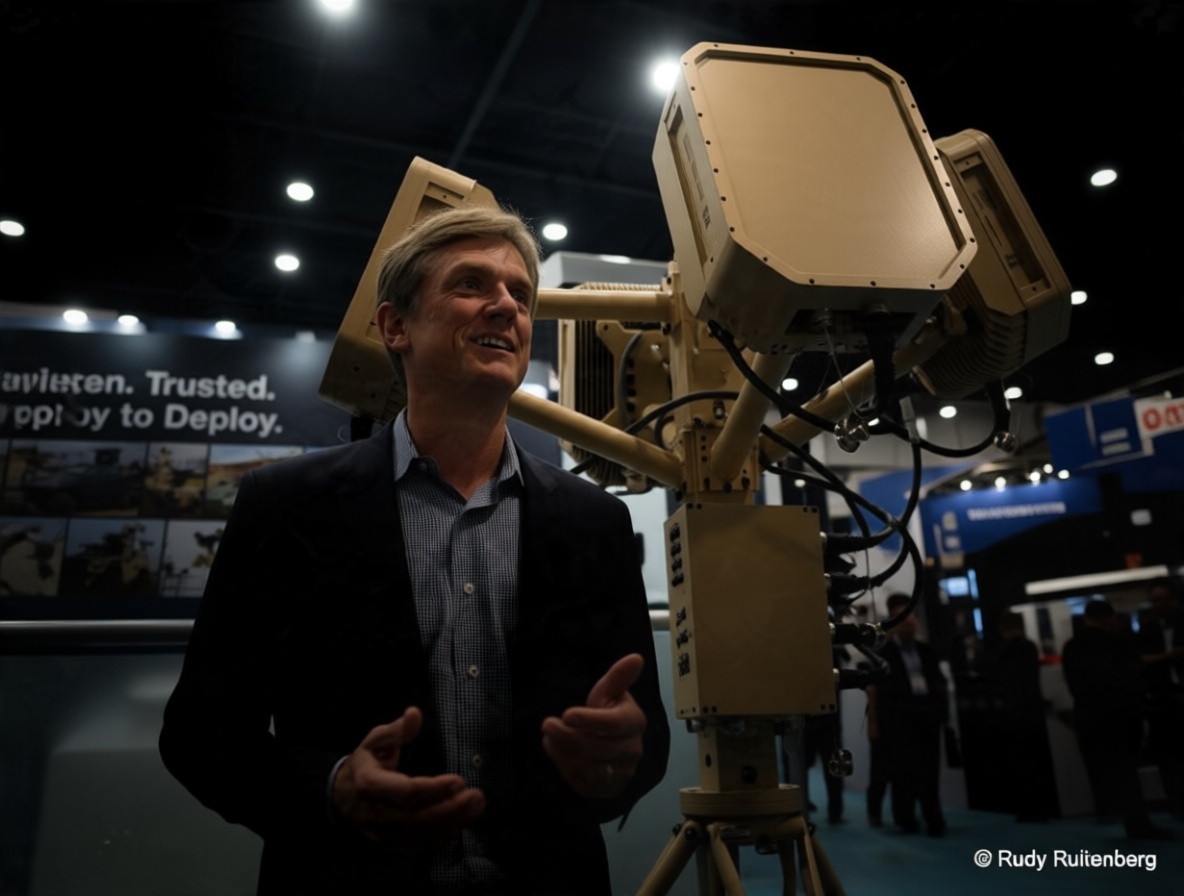
Shield AI buying Echodyne is a moment that can make people lean in. The idea is simple: radar joins unmanned systems, and operators may get a new way to spot drones before a mission decision. That sounds small, but it can change how a tense moment feels for the people involved.
That curiosity comes with real weight. Defense teams may feel budget, timeline, and training pressure as they choose drone-defense tools. And companies will be watching to see if a radar maker inside Shield AI helps unmanned systems branch into drone detection and other defense roles. The choice is not just corporate. It can shape trust, readiness, and what people expect next.
A New Way To Spot Drones Before A Mission Decision
Imagine being the operator who has to make a call while the sky feels unclear and everyone is waiting on you. When Echodyne’s radar joins Shield AI’s unmanned systems, operators may get a new way to spot drones. That tiny shift can bring a rush of relief, because seeing more clearly can mean a less shaky mission decision when it matters most and the pressure is real.
The point is not just that the radar is there in a list of tools. It is that operators may get a better look before they decide what to do, and that extra look can steady the people involved. That matters because a decision made in the dark can feel like a gamble, and a clearer view can change the choice they feel ready to make.
Picture a tense moment where the team has to act fast but wants to be sure. A new way to spot drones before the mission decision can make that moment feel less like guesswork and more like a step they can trust. For operators, that can mean more confidence in what happens next, and that confidence can shape how they move forward when the pressure is on their shoulders.
Why Adding Radar Can Pressure Budgets Timelines And Training
For defense teams, a new radar option can feel exciting and heavy at the same time. Adding radar to unmanned systems may sound like a simple upgrade, but it can press on budgets and timelines in ways that are hard to ignore when every dollar and every week already matters. That means the people choosing drone-defense tools may have to slow down, compare harder, and decide what they can really afford before they feel ready to move and act.
Training adds another layer of worry. A tool is only useful if people know how to use it under pressure, so training time can become a real cost and a real source of stress. Defense teams may feel torn between wanting the new option and needing their people ready without adding too much strain to the daily work they already do.
Choosing drone-defense tools is not a clean, easy moment. It can turn into a budget puzzle and a schedule question, and that can make teams feel stuck between hope and caution, even when they want to move forward. The real outcome is practical: every choice can shift training plans and how soon they feel prepared for the very next step.
What Companies May Watch After The Radar Deal
Companies may now be watching Shield AI with fresh curiosity, and the big question is whether a radar maker inside Shield AI helps unmanned systems branch into drone detection and other defense roles. That matters because what companies see could shape what they pay attention to next, and that attention can feel like a quiet signal of what is changing. They may ask what this means right now for the roles unmanned systems can take on.
This is not just a quiet detail; it is a sign that companies may watch how the deal changes the path of unmanned systems. If the radar maker helps those systems branch into new defense roles, other companies may feel a stronger pull to watch even more closely. That can turn simple curiosity into a real need to understand what comes next.
Companies may not know yet what to make of the deal. They may watch for signs that the radar maker inside Shield AI helps unmanned systems branch into drone detection and other defense roles. The human side is simple: leaders may feel uncertain, curious, or cautious, and that can change how they talk about the future and where they place their attention.
Conclusion

The deal is not the end of the story. Companies may now watch whether a radar maker inside Shield AI helps unmanned systems branch into drone detection and other defense roles. That quiet watching is where the real meaning may show up, because it can change what people expect and what they look for next.
For you, the takeaway is simple: keep an eye on that question. If the radar maker helps unmanned systems branch into drone detection and other defense roles, that is the moment to notice. It is a small way to stay aware of how defense work may shift, without needing to follow every detail.
What do you think? Does knowing Earth’s “delivery story” change how you feel when you look at the stars?