


 Munzir Hakimi
Table of Contents
Introduction
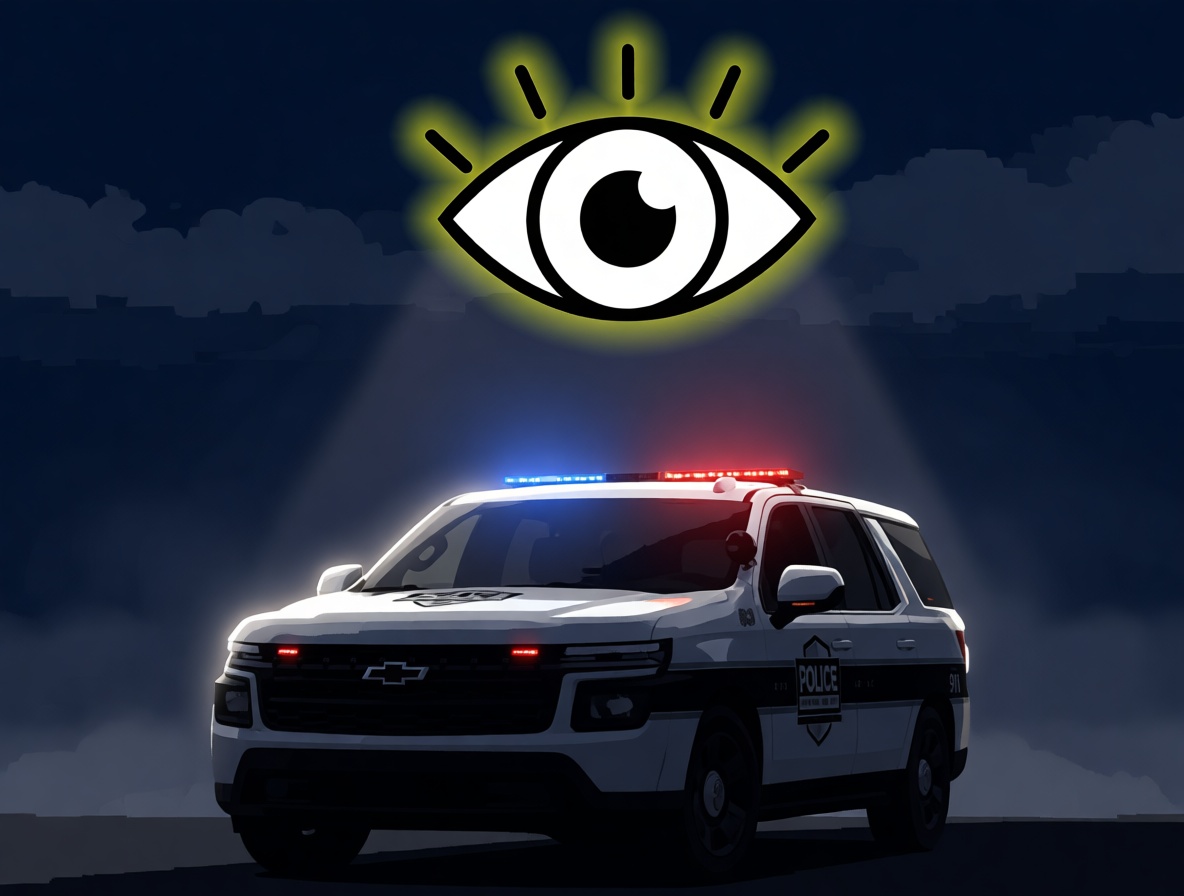
You’ve probably seen a police Tahoe cruising down your street and thought nothing of it. But when that same SUV is packed with military-grade surveillance gear, its price tag balloons to over a million dollars – and that changes everything.
This isn’t just about expensive vehicles. It’s about your tax dollars funding a mobile spy system in your own neighborhood. And it’s about how police might start prioritizing watching over walking the beat. Here’s why you should care.
A Police Tahoe That Costs More Than A Mansion
Imagine a regular Chevy Tahoe, then picture it loaded with cameras that can read your license plate from blocks away, microphones that pick up conversations, and heat sensors that see through walls. That’s what Texas is now driving – and it costs over $1.1 million per vehicle.
That kind of tech isn’t just for war zones anymore. It’s rolling through your local grocery store parking lot. Every time that Tahoe passes you, it’s collecting data – your face, your car, your movements. You might feel a chill, because suddenly your private life isn’t so private.
The real question is: who benefits? Not you. Your tax dollars paid for that surveillance, and now you have to live with it every day. Next time you see a police SUV, you’ll wonder what it’s recording – and that’s not a comfortable feeling.
Your Tax Dollars Are Paying For A Mobile Surveillance System
Think about what else $1.1 million could buy – new school supplies, road repairs, or a few extra teachers. Instead, that money goes into a single police vehicle with surveillance tech you never asked for. You’re forced to fund a mobile monitoring system that patrols your everyday streets.
This isn’t a one-time cost, either. Upkeep, upgrades, and training all come out of public funds. Every time you see that Tahoe, you’re reminded that your paycheck helped put it there. It’s like being charged for something you never wanted in the first place.
And the impact hits home: that surveillance is happening in neighborhoods where kids play and families walk their dogs. You lose a bit of freedom every time that truck drives by – because you know someone is watching, and you never chose to pay for that watch.
When Watching Replaces Walking The Beat
Police officers used to get out of their cars, chat with shop owners, and build trust on the sidewalk. But with a $1.1 million surveillance Tahoe, the focus shifts from human connection to high-tech monitoring. Officers may spend more time staring at screens than talking to you.
That changes everything about how you interact with law enforcement. Instead of a friendly wave, you get a camera scanning your face. Instead of a helpful officer, you get a data point in a system. Trust erodes when cops become watchers instead of neighbors.
You might feel less safe, not more, because surveillance can’t replace human judgment or compassion. When police prioritize technology over patrolling, you lose the personal touch that makes communities feel secure. And that’s a loss no camera can fix.
Conclusion

So what does this all mean for you? It means the police car you see every day is no longer just a car. It’s a symbol of a shift toward high-tech surveillance over community connection. You might feel more watched and less trusted – and that changes how you see the people sworn to protect you.
The good news is that you’re now aware. Next time you hear about police budgets or new tech, you can ask questions and demand a say. Your voice matters in deciding whether your neighborhood becomes a place of trust or a place of constant watching.
What do you think? Does knowing Earth’s “delivery story” change how you feel when you look at the stars?