


 Munzir Hakimi
Table of Contents
Introduction
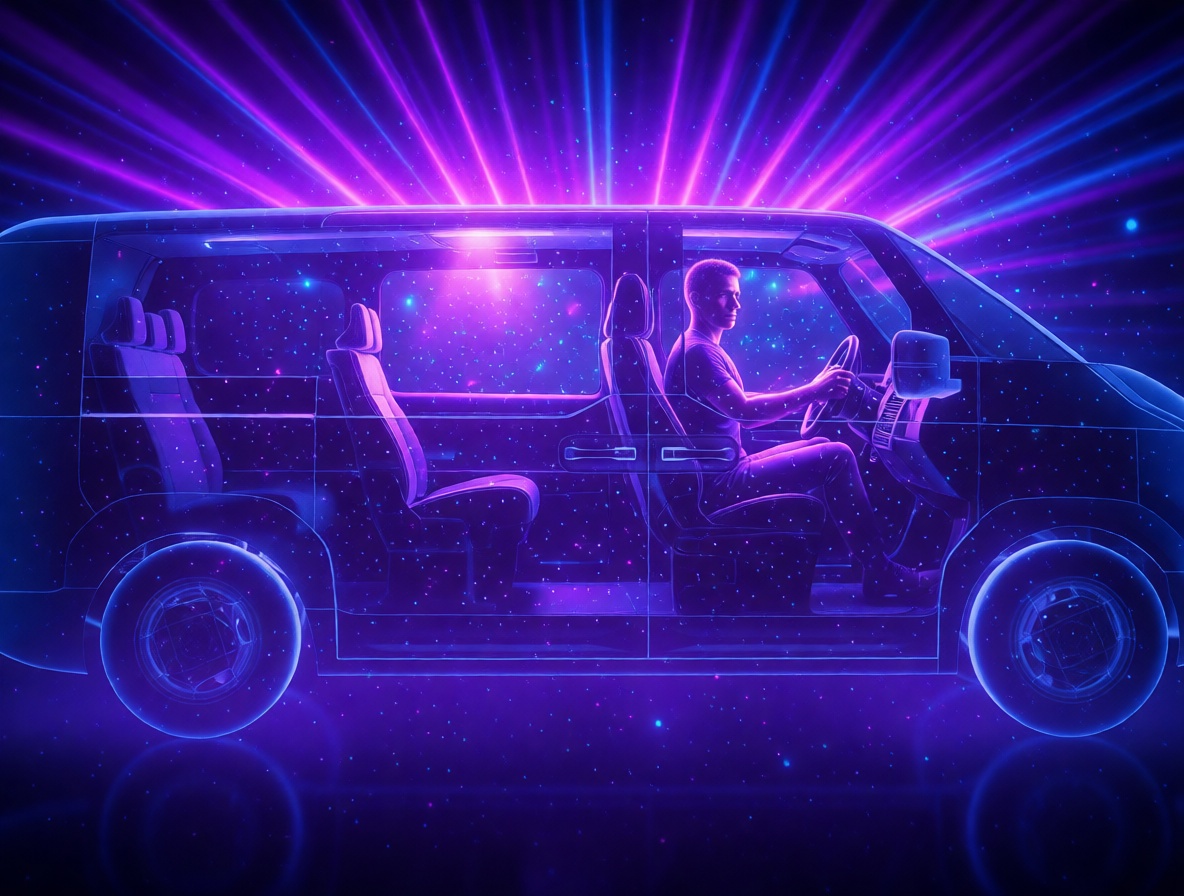
You already know that little UV box you drop your phone into feels like magic. Now imagine that same light, scaled up to the size of your car, hitting every seat and steering wheel while you walk away. It sounds futuristic, but it’s closer than you think—and it could change how you feel about getting into your car every morning.
This isn’t just about skipping the wipe-down. It’s about rethinking what a clean car means, whether it’s safe to be inside during the process, and how automakers might build this into your next vehicle. Your daily routine could shift in a way you never expected—and that’s worth a closer look.
The Same Light That Cleans Your Phone, Now In Your Car
Picture this: you drop your phone into a small UV sanitizer, close the lid, and watch the blue glow do its work. It feels satisfying because you never have to touch a dirty surface again. Now imagine that same light flooding your car’s cabin while you stand outside with the keys in your pocket.
You wouldn’t need to spray, wipe, or even breathe in any chemicals. The light reaches every spot—the door handle, the gear shift, the fabric. And the best part? You feel a new level of cleanliness without lifting a finger. It’s like stepping into a car that has already been cared for by invisible hands.
For anyone who’s ever dreaded the weekly interior wipe-down, this is a quiet relief. You park, press a button, and walk away. When you come back, the car feels fresh in a way that a cloth never quite delivers. That peace of mind changes what ‘clean’ even means for you.
Less Wiping, But Is It Safe To Be Inside?
If UV light can replace your spray bottle and microfiber cloth, that saves you time and money on cleaning supplies. No more running out of wipes or scrubbing stubborn stains. But here’s the question that pops into your head: is it safe to be in the car while the light is on?
You probably know UV can harm skin and eyes with prolonged exposure. So the idea of sitting inside while that blue glow bathes the seats might make you pause. The good news is that these systems are designed to operate when no one is inside—kind of like how you don’t sit in a microwave. You’ll need to step out and let it do its job.
That trade-off feels manageable. You give up a minute of your time, but you gain an interior that’s sanitized without any effort on your part. And you don’t have to wonder if you missed a spot. The real win is the convenience and the peace of mind that comes with knowing the job is done thoroughly.
Your Next Car Could Clean Itself With Light
Automakers are paying attention. They see how much people value a clean cabin—especially after the last few years. So it’s not a stretch to imagine that UV cabin sanitization becomes a standard feature in new cars, just like air conditioning or backup cameras are today.
This shifts the whole way we think about car hygiene. Instead of stocking up on sprays and wipes, you’ll rely on a light cycle that runs automatically when you lock the doors. Your relationship with cleaning changes from a chore to a set-it-and-forget-it habit. You’ll feel a bit spoiled, honestly.
When you step into a car that has been cleaned by light, you notice the absence of smell—no chemical scent, no lingering dampness. It’s just… clean. And that feeling becomes the new normal. The next time you shop for a car, this could be the feature you didn’t know you needed until you experience it.
Conclusion

The idea of moving from chemical sprays to light-based cleaning is more than a tech upgrade—it’s a shift in how you feel about your daily space. You no longer have to remember to wipe things down or worry about running out of supplies. Your car starts to feel like a place that takes care of itself.
That quiet confidence—knowing the surfaces are sanitized without any effort—changes your routine for the better. And as automakers begin to offer this as a standard feature, you’ll start to expect it. Next time you’re in the market for a car, you might just look for that UV badge and know exactly what it means for your peace of mind.
What do you think? Does knowing Earth’s “delivery story” change how you feel when you look at the stars?