


 Munzir Hakimi
Table of Contents
Introduction
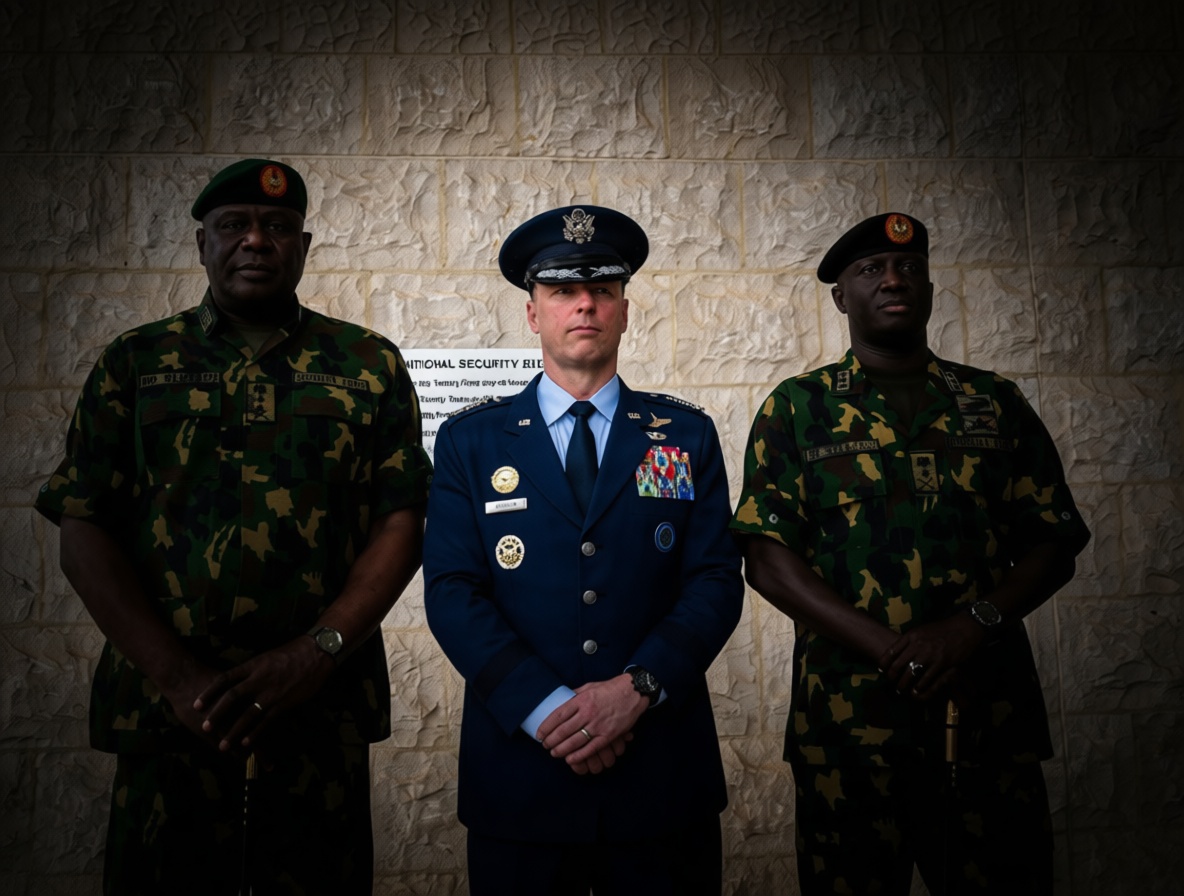
Imagine watching a powerful ally pack up and leave your neighborhood after a big joint operation. That’s exactly what’s happening in parts of Nigeria after U.S. troops worked side by side with local forces against ISIS in May. It changes everything about who you trust and how safe you feel.
This single military move is more than a news headline—it’s a sign of how the United States is shifting its entire strategy in Africa. The operation itself was a success, but what comes next—the withdrawal, the new pressure on Nigerian troops, and the new model AFRICOM is building—will affect local security for years. You’ll see why this matters for everyday safety and the way countries now fight terror together.
A Joint Operation That Shifts The Rules
Picture this: American soldiers and Nigerian forces moving together through dangerous terrain, sharing intelligence, calling in strikes—all to push back ISIS fighters. In May, that coordination happened, and it wasn’t just another mission. This moment could change how future counterterrorism efforts are planned.
Why should you care? Because when two very different militaries work that closely, they build a rhythm and trust that’s hard to replicate. For local communities, that cooperation means fewer surprise attacks and more coordinated protection. It’s the difference between feeling hunted and feeling guarded.
But here’s the real takeaway: this joint operation isn’t just a one-off success—it’s a test. If it works, other countries will follow the same playbook. And that means your sense of security—whether you live in Nigeria or just watch global news—could depend on how well two armies learn to dance together.
The Weight Of Full Responsibility After Withdrawal
After the U.S. troops pull out, everything lands on the Nigerian military’s shoulders. No more backup, no more shared patrols. The pressure to take full control is sudden and heavy. For soldiers who relied on American support, this is like learning to swim after the lifeguard leaves the pool.
What does that mean for local security? Readiness suffers first. Nigerian forces will have to juggle their existing deployment schedules—troops already stationed elsewhere, equipment stretched thin—while covering the gap the Americans left. Every delay or shortfall can leave a community exposed.
Imagine a village that just felt safe because joint patrols showed up regularly. Now those patrols stop, and the local battalion is stretched across three other areas. That gap isn’t just a military problem—it’s a fear that creeps into daily life. People start asking: who’s watching our streets tonight?
Africom’s New Blueprint: Short Partnerships, Big Impact
AFRICOM, the U.S. military command for Africa, now sees the May operation as the perfect model for future missions. Instead of building permanent bases that stay for years, they want short, intense partnerships with local forces. This shifts the entire way America fights terrorism on the continent.
Think of it like this: you no longer move into a neighborhood; instead, you show up, help a friend fix their house, and leave. For local forces, that means they get training, equipment, and firepower for a limited time—then they’re on their own. The emotional trade-off is huge: brief relief followed by lasting responsibility.
For a local security officer, this model feels like a sprint, not a marathon. They’ll have to absorb everything quickly and then sustain it without backup. This changes how communities plan for safety—relying on short bursts of foreign help rather than a steady shield. It’s efficient, but it also asks local troops to grow up fast.
Conclusion

Standing at the end of this story, you realize the May operation wasn’t just about ISIS—it was a test run for a whole new kind of security partnership. The real lesson is that safety becomes local in a hurry when foreign support fades.
AFRICOM’s new model means future missions will be shorter, sharper, and built on trust that has to be earned fast. For the people living in these regions, the takeaway is personal: your community’s safety depends on how well local forces can stand alone after the joint operation ends. It’s a shift that asks everyone—leaders, soldiers, citizens—to rethink what security really means when the partner packs up and goes home.
What do you think? Does knowing Earth’s “delivery story” change how you feel when you look at the stars?