


 Munzir Hakimi
Table of Contents
Introduction
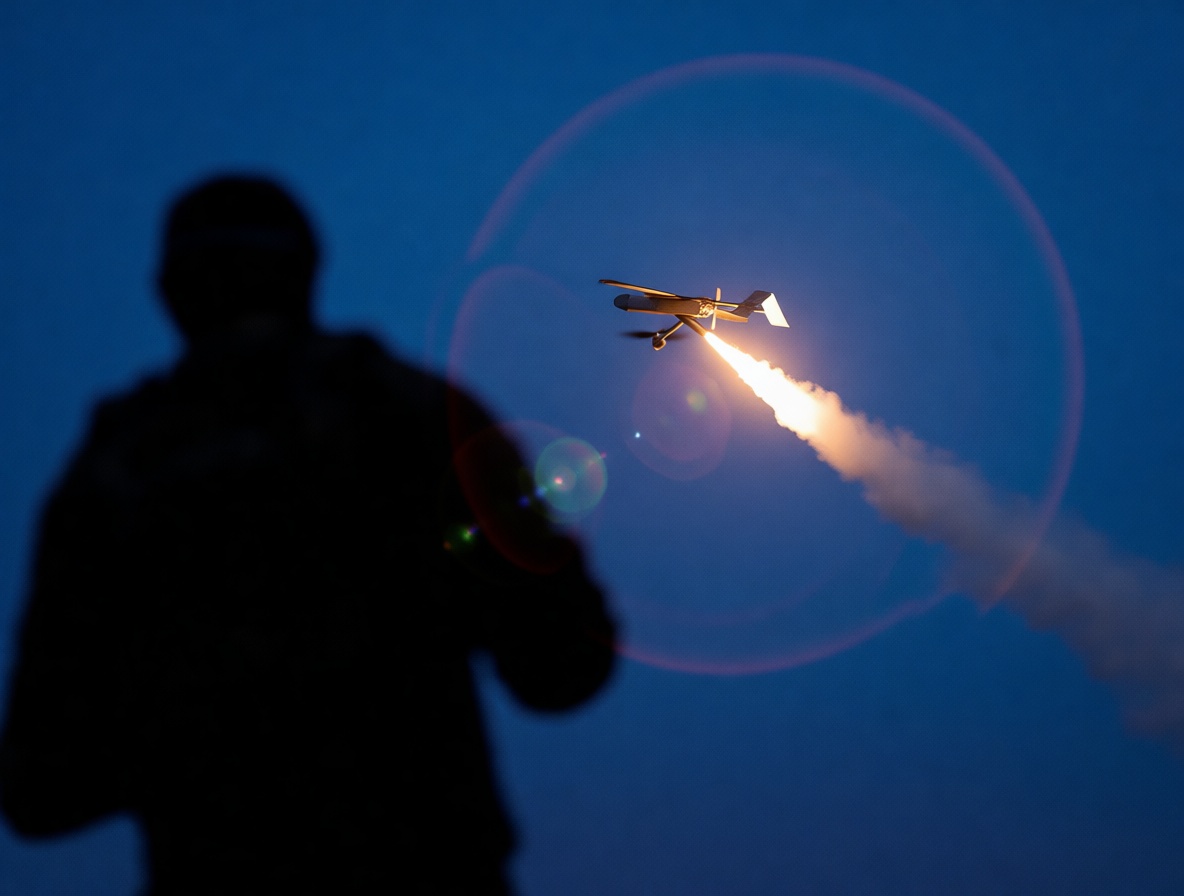
Imagine standing watch on a ship in the middle of the ocean, feeling safe because the nearest land is far away. Then a drone launched from somewhere on the steppe – a flat inland plain – streaks toward you, and suddenly the danger comes from a direction you never expected.
That single moment changes everything: it forces sailors to rethink how they stay alert, pushes governments to spend money differently, and makes navies around the world alter their entire way of patrolling. This isn’t a far-off fantasy – it’s the new reality for everyone on the water, and it means the threats we thought we understood are now completely different.
The Moment Danger Comes From Land
Picture this: you’re a sailor on a destroyer, scanning the horizon for enemy ships or planes. Your training tells you threats come from the sea or the sky above it. Then a small drone, launched from a field hundreds of miles inland, smashes into your deck and changes everything you thought you knew.
That attack from a steppe – a vast, open grassland – feels like a betrayal of geography. You can’t trust the ocean to protect you anymore. The real gut punch is that you can’t even guess where the next one will come from, which puts every sailor in a constant state of unease.
For the person on that ship, this means a whole new kind of fear. You used to watch the water; now you have to watch the land too. Your awareness has to stretch in ways it never had to before, and that mental shift is exhausting and unsettling every single day.
Why Naval Budgets Are Being Rethought
Navies have always spent big on new ships – aircraft carriers, submarines, destroyers – because controlling the sea meant having the most steel on the water. But when a cheap drone from land can take out a multi-million-dollar vessel, the math of military spending flips upside down.
Now budgets are being pulled toward anti-drone systems: lasers, jammers, nets, and radar that can spot a tiny incoming threat. That means money that was supposed to buy a shiny new frigate might instead buy a bunch of defensive gadgets. For taxpayers, this feels like a trade-off – do we want more ships or safer ships?
The human consequence lands on the people who plan national defense. They have to make hard choices: cancel a ship program to fund drone protection, or risk losing a vessel because you didn’t adapt. Every decision carries a heavy weight, and the pressure to get it right is immense.
How Every Navy Fleet Has To Change
Sailors used to know the rhythm of the sea: patrol these lanes, watch these angles, rotate crews on a predictable schedule. But now a fleet can be hit from inland at any moment, and that constant threat forces them to rewrite the rules.
Patrol patterns are no longer routine. Ships zigzag more, stay farther from known drone launch zones, and change routes at the last second. The sailors on board feel it as never knowing when you can let your guard down, which wears on morale and mental health.
Friends and families back home worry too. They hear about drones hitting ships and wonder if their loved one is safe. For the world’s navies, this means adapting isn’t optional – it’s the only way to survive, and that adaptation touches every sailor’s daily life.
Conclusion

So here’s where we land: the old image of naval warfare – ships fighting ships on the open ocean – is fading. Now every vessel sails under the shadow of a drone that could come from a farmer’s field hundreds of miles away.
For the sailors, this means living with a new kind of vulnerability that never goes away. And for the rest of us, it’s a reminder that the threats we imagine are often not the ones that actually arrive. Next time you see a naval ship on the news, think about the people on board who are watching the land as much as the sea – because their safety depends on it.
What do you think? Does knowing Earth’s “delivery story” change how you feel when you look at the stars?