


 Munzir Hakimi
Table of Contents
Introduction
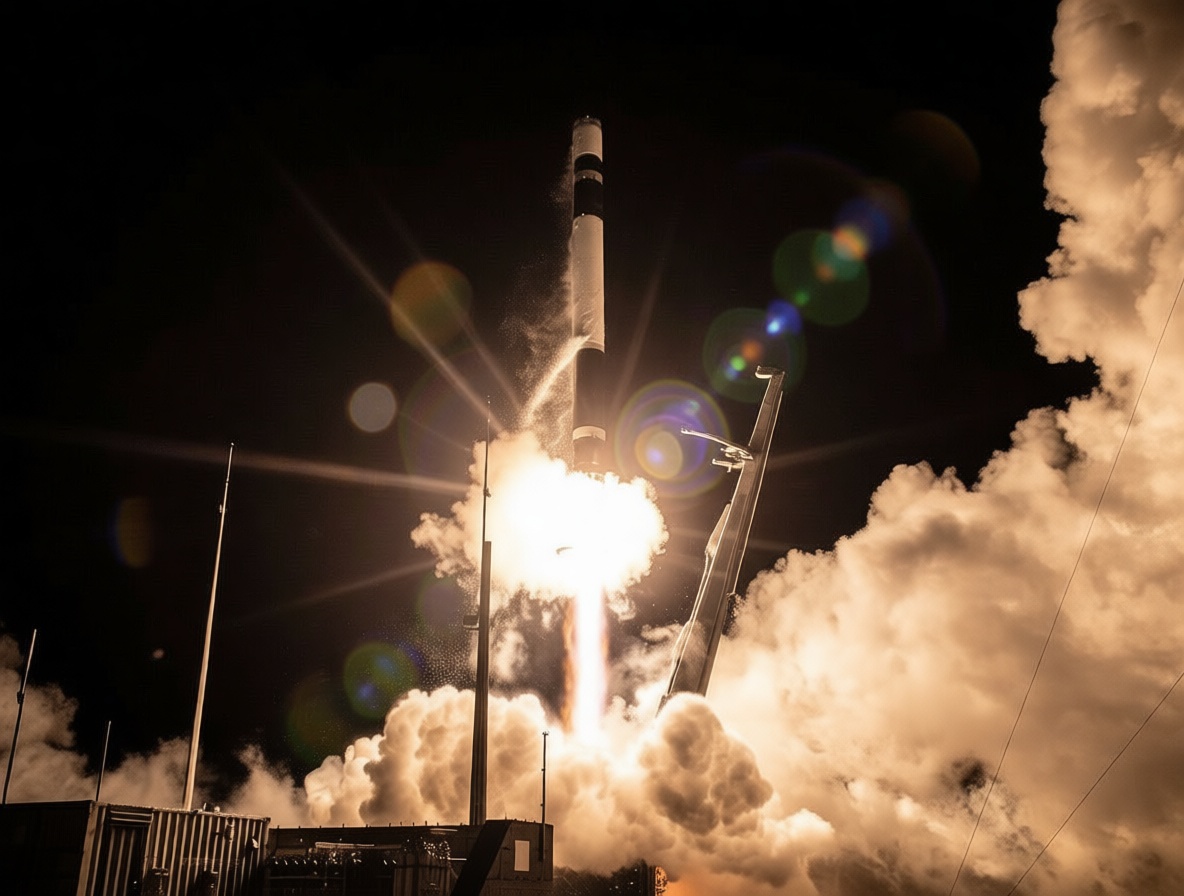
What if a rocket launch site could fit inside a normal shipping container? That’s the idea behind GHOST, and it’s not a distant dream. The same metal boxes that pack cargo could one day pack a portable spaceport.
For the military, this creates both wonder and pressure. Launch teams can set up quickly, but defense logistics officers face tighter timelines and tougher calls about where to move the spaceport. Rocket Lab wants to make this more routine, with rapid-response launch becoming part of normal military logistics. That shift matters because it changes how fast help can arrive when things go sideways.
A Launch Site That Arrives In A Box
Picture this: a plain metal shipping container rolls off a truck, looking exactly like every other box on the highway. Somewhere inside that metal shell, a launch team is ready to unpack a portable spaceport, and you can almost feel the shift from waiting to doing before anyone says a word. The moment GHOST arrives, empty ground becomes a potential launch site, and that alone brings a strange sense of relief.
There’s something almost magical about watching a rocket site appear this way. You don’t need months of construction or a permanent pad already waiting, because the setup happens right there on the spot. That speed changes what the team can do: instead of waiting for a perfect location, they can react to the mission as soon as the container touches the ground.
For the rest of us, the payoff is easier to feel. Think of a road trip where you can camp anywhere because your gear is already packed and ready—that freedom to stop and set up in an afternoon is exactly what this container gives the military. No long prep, no parked-in-one-place commitment, just the confidence that a response can start from wherever the box happens to be.
The Hidden Pressure Of Flexible Launch Plans
There’s a hidden stress that comes with having more options. Defense logistics officers are the people who move things where they need to be, and a mobile launch site forces them to make faster calls every time a plan changes. Frequent flexible launch plans mean tighter timelines, and that pressure doesn’t stay on a screen—it lands on real people making real decisions.
Then comes the inevitable question: where does the spaceport go next? This isn’t a casual pick-a-spot-on-a-map decision; it means thinking about everything that could go wrong and everything the mission needs at the same time. Each option brings trade-offs, and the window to decide keeps getting smaller; it’s the kind of choice that keeps you up at night because moving a launch site is never simply about moving metal.
For outsiders, this rarely makes headlines, but a logistics officer feels the ripple effect every day. A tighter timeline means less room to double-check things and more decisions squeezed into a single morning. It leaves people drained, not because they lack skills, but because the job now asks them to be ready for anything, anywhere, fast. The consequence is simple: every choice matters, and so does the person making it.
Rapid Response Becomes Routine Logistics
A big shift is heading our way, and it feels less like a rocket launch and more like a package update. Rocket Lab plans to move launch operations into standard shipping containers—the same kind of big metal boxes you already see stacked on ships and trucks. That means the containers moving supplies could also move launch capability, and rapid-response launch becomes part of normal military logistics instead of standing apart as something special.
Why should someone outside the military care about this? Because routine changes how we feel about danger. When launch is just another part of the logistics chain, it stops being a rare, nerve-wracking event and starts feeling like a normal tool in the system. It becomes another option that response teams can reach for without panic, which creates a quiet sense of steadiness for everyone waiting on help. That sense of calm matters, because help arriving quickly is something we all hope for.
Think about how a delivery network can suddenly reroute a package when something urgent comes up. The package doesn’t have to wait for a whole new system to be built; it just moves through the network differently. That flexibility is exactly what Rocket Lab is pushing toward. The outcome is a world where rapid-response launch isn’t a breaking headline—it’s just someone doing their job. Honestly, that’s a comforting picture.
Conclusion

What lingers after hearing about Rocket Lab’s plan is how ordinary it sounds. Launch operations in standard shipping containers, riding the same logistics network as other military supplies—that’s becoming the plan, not science fiction. The shift changes the emotional tone from waiting for a special event to trusting the process.
The takeaway is something you can carry with you. The next time you see a shipping container on a highway or a train, remember that these boxes might soon carry launch capability as well as supplies. Rapid-response launch as a normal part of military logistics means help can be closer to where it’s needed. That quiet sense of readiness is the real comfort.
What do you think? Does knowing Earth’s “delivery story” change how you feel when you look at the stars?