


 Munzir Hakimi
Table of Contents
Introduction
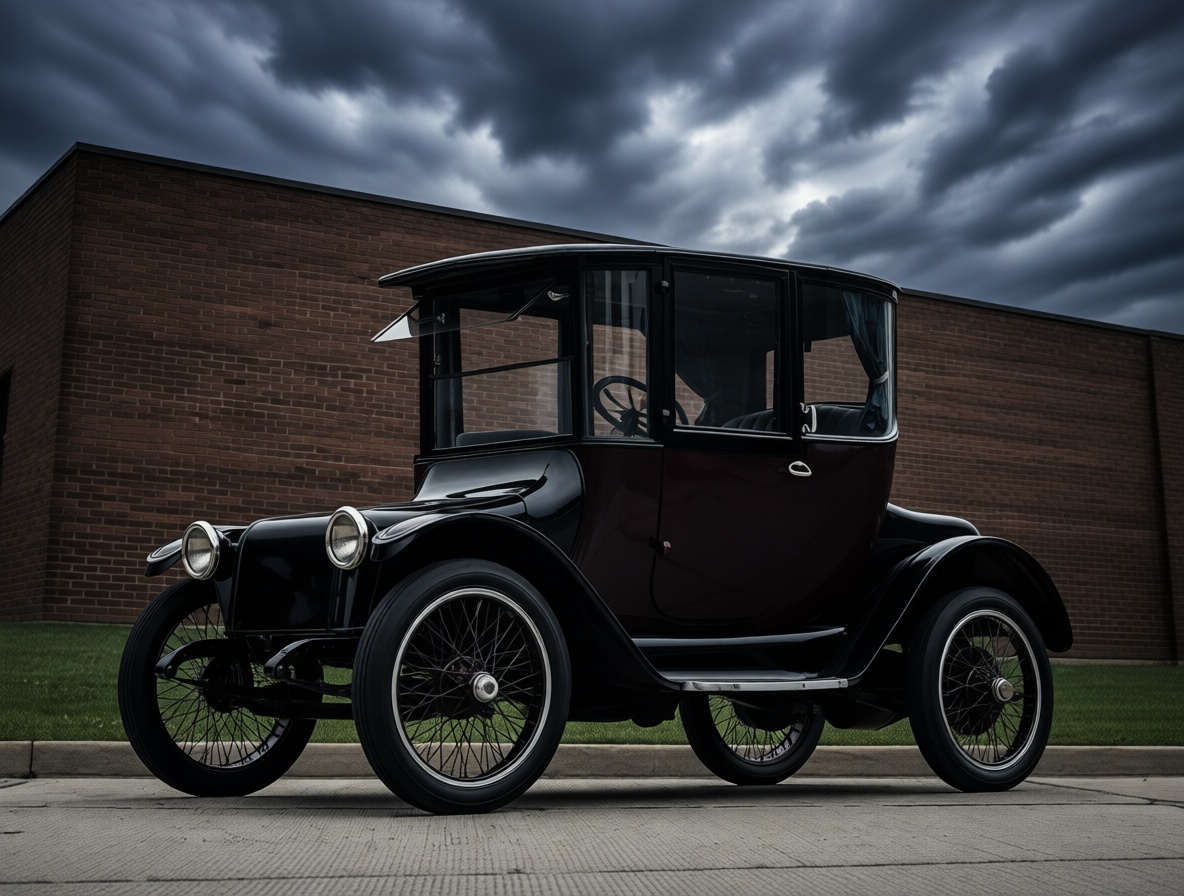
Picture an old car from 1918 moving forward in a parking lot. No museum ropes. No careful pushing. It just rolls on modern batteries, and everyone around it feels a small shock. That image connects the past, the present, and the future of electric cars in one quiet moment.
That moment raises a strange and personal question: what is a modern EV really worth? It also makes you wonder whether old electric cars deserve a second life instead of a quiet display. These questions matter because they hit what we truly value when we choose a car.
A Century-old Electric Car That Still Moves
The very first time a 1918 Detroit Electric rolls forward on modern batteries, it feels like time shifts; people around it wear the same expression of disbelief; no one expects it, and no one can look away. This old machine was built long ago, and yet it is doing exactly what it was made to do. That simple fact rewrites what you thought was possible for old technology, and it makes the past feel closer than ever.
Most people expect old electric cars to be delicate, waiting behind ropes like fragile treasures, but watching one move on its own changes that picture completely. It is not a trick or a simulation; it is the same kind of car doing the same kind of job. It proves old things can still hold real value, not just sentimental value, and it makes you see an antique as a machine again, not only as a decoration.
Once you see this, the way you look at old machines shifts. You start to wonder what other pieces of the past might still work if given a fair chance. That wonder is the emotional core of this small moment, and it stays with you long after; it is one thing to read about an old electric car in a book, but another thing to hear it move and watch it creep forward.
Why A Working Antique Changes What A New Ev Is Worth
When you hear that an original Detroit Electric from 1918 runs on fresh batteries, it changes the story you tell yourself about buying a new EV. Maybe you paid a lot for a brand-new car to get the latest tech, and then this century-old model quietly rolls along. It reminds you that electric driving is not a new miracle, so you question what you actually paid.
A modern EV certainly has comfort, safety, and software that a 1918 car could never offer, but the basic thrill of driving electric existed over a century ago. That does not make modern EVs worthless, and it does not mean progress is fake. It just means real value is not just hardware; it is the chance to drive electric at all, plus the trust that the machine will get you where you need to go.
So what does this mean for your choices? You do not have to chase every new update to feel good about owning an EV, because the old electric car is a reminder that a car’s worth comes from whether it works in your life, not from the year printed on the badge. So satisfaction does not need a release year; it needs a car that fits your days, and you can stop worrying about being behind the curve.
Why More Collectors Will Choose Restoration Over Display
For collectors, the idea of an old electric car working again feels like relief. A static display is safe, but it is also a little sad, because the car is preserved yet no one ever feels it move; the chance to restore it means old cars can come alive instead of staying frozen. Collectors who take that risk get to be part of the ride, not just caretakers of old metal, and visitors get to hear the hum of an old machine running with new energy.
Modern batteries make this possible without demanding impossible perfection. You do not have to hunt for rare original parts or keep every detail untouched; you just need to respect the car and give it a practical power source. That lower effort matters, because the door is open for more people to try instead of walking past a silent relic.
This is not just about preserving history; it is about making history part of daily life. A restored old electric car can be shown, shared, and enjoyed, while a static display stays silent in a corner, so restored electric cars can tell a story that a rope barrier never can. That story turns a dusty object into a living memory and makes the car part of events, conversations, and family memories.
Conclusion

Seeing a working old electric car changes what restoration means. It is not about turning a car into a perfect relic. It is about giving an old machine a real place in the present. Old electric cars can live again instead of sitting still.
For collectors, this changes what they choose to do with history. Restoring becomes a hopeful project instead of a dusty memory. For everyone else, it is a reminder that the past can move forward with us. If you ever see an old electric car, imagine it running, not just sitting in a display.
What do you think? Does knowing Earth’s “delivery story” change how you feel when you look at the stars?


