


 Munzir Hakimi
Table of Contents
Introduction
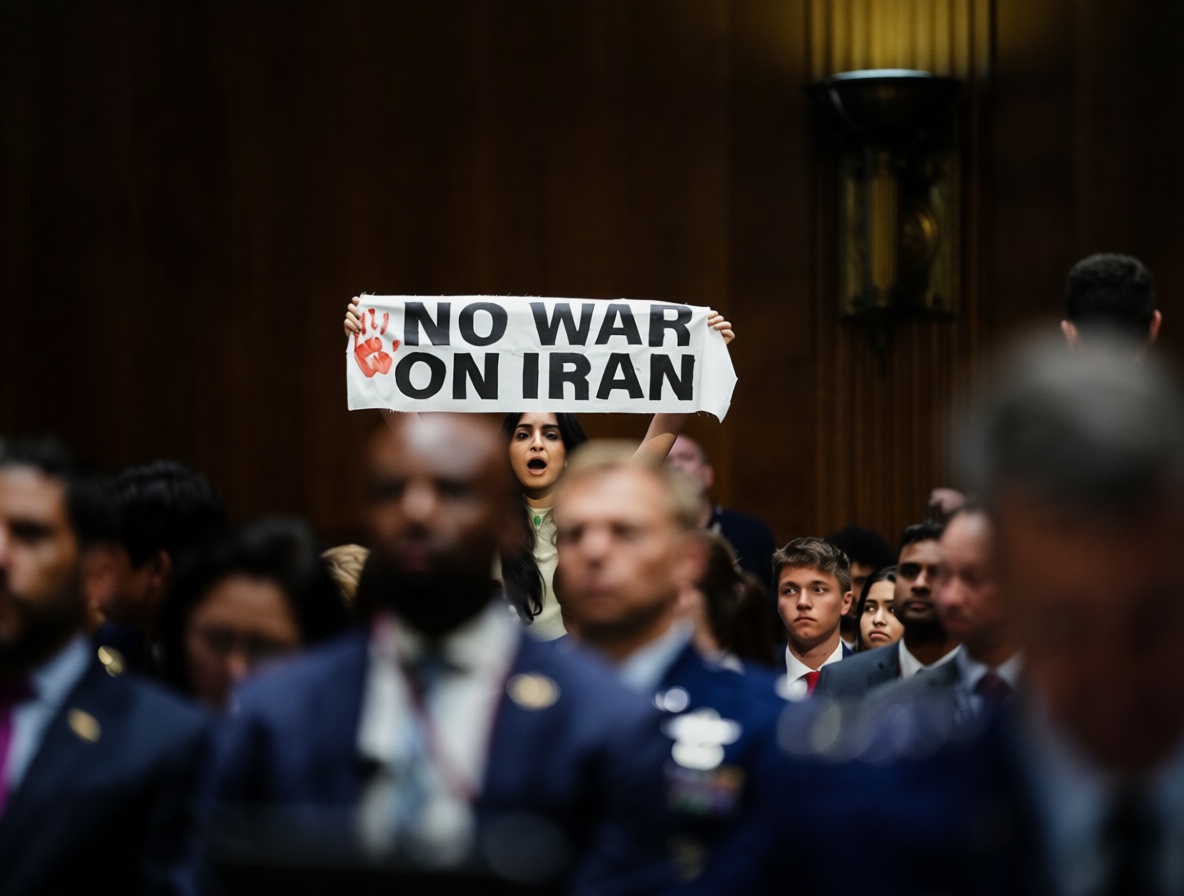
Most Americans will tell you the same thing: they don’t understand what the U.S. military is trying to do in Iran. Confusion doesn’t stay in headlines. It follows you into your day and settles in the back of your mind. It makes you wonder if anyone is really telling you the truth.
At home, those unanswered questions make trust and safety feel tangled. In public, support for the war is already thin, so officials can sense the pressure. The real question isn’t just about policy—it’s about how you make sense of the world and whether the people in charge are leveling with you.
When The Poll Numbers Land, Confusion Lands With Them
Open your phone at the wrong moment, and a new poll is there waiting for you. Most people you talk to would say the same thing: the president hasn’t explained what the military is trying to do in Iran, and the numbers just confirm what you already suspected from the headlines. That jolt of confusion is hard to shake because you’re suddenly supposed to have an opinion about something that makes no sense to you.
Think about how that actually feels on a normal day. You read a headline, glance at the story, and then close the app without knowing what to think. It’s not that you don’t care—it’s that no one has explained the goal, so you can’t tell if this is something to worry about or something to support, and the missing explanation leaves you stuck between fear and uncertainty.
Here’s where it hits home for most people. The next time someone asks where you stand on Iran, you might hesitate before answering. That hesitation is the real cost of an unclear mission: you are left to make sense of it alone, and no amount of scrolling gives you the clarity you’re searching for, because the news didn’t just inform you—it made you feel unsure.
Nightly News Makes A Family Weigh Trust And Safety
By the time the evening news comes on, everyone in the room already knows the same thing: Iran is still in the headlines. But no one knows what the next report will bring, and that makes the TV feel less like information and more like a source of tension. Watching together becomes a quiet test of trust because you have to decide how much of what you hear is actually true, and that decision sits with you long after the broadcast ends.
The problem is that the goal was never clearly explained. When families have to fill in the gaps themselves, safety starts to feel fragile, and every new headline carries a little more weight. You want to believe the people on the news, but that doubt creeps into daily life and shows up in everyday conversations about whether the country should be there at all.
Maybe you’ve felt it yourself. A parent asks if the family is safe, a partner tries to reassure them, and nobody can offer a clear answer because the goal was never clear. That’s how trust gets worn down: not by one dramatic moment, but by night after night of unanswered questions, until the question of whether the news is true becomes more stressful than the news itself.
Support Is Thin And Questions Grow Sharper
Look at the public mood right now and you’ll see something clear: public support for the war is low. When support is that low, officials feel it, so they start choosing their words more carefully. Support is this thin, denial stops working and leaders have to start paying attention to what voters are saying.
Here’s what that means in the real world. People aren’t quietly waiting for answers anymore, so officials are suddenly facing sharper public questions; the old habit of giving a vague statement and moving on doesn’t work when most voters are already uneasy. You can almost feel the shift when a politician starts talking around the question, and every public answer gets tested against the same thing: what is the actual goal in Iran, and why should anyone accept it without knowing the plan?
Congress feels that same pressure. With so few Americans behind the war, lawmakers are more likely to demand clearer military goals instead of accepting vague promises, and that pressure is hard to ignore when so many voters are watching. That demand creates a small opening for the public to learn the real mission, and for voters to feel less in the dark about where the country is heading.
Conclusion

When public support for a war is low, the message is hard to miss. People are not on board, and officials can feel that. Low support is a powerful signal that questions can no longer be ignored, and clearer goals may finally be demanded.
For you, this means your attention actually matters. Public questions create public pressure, and public pressure pushes leaders toward clear answers. You don’t have to have all the answers to ask for one—so keep asking what the goal is, because with stakes this high, the people in charge are more likely to listen when they can see you’re watching.
What do you think? Does knowing Earth’s “delivery story” change how you feel when you look at the stars?


