


 Munzir Hakimi
Table of Contents
Introduction
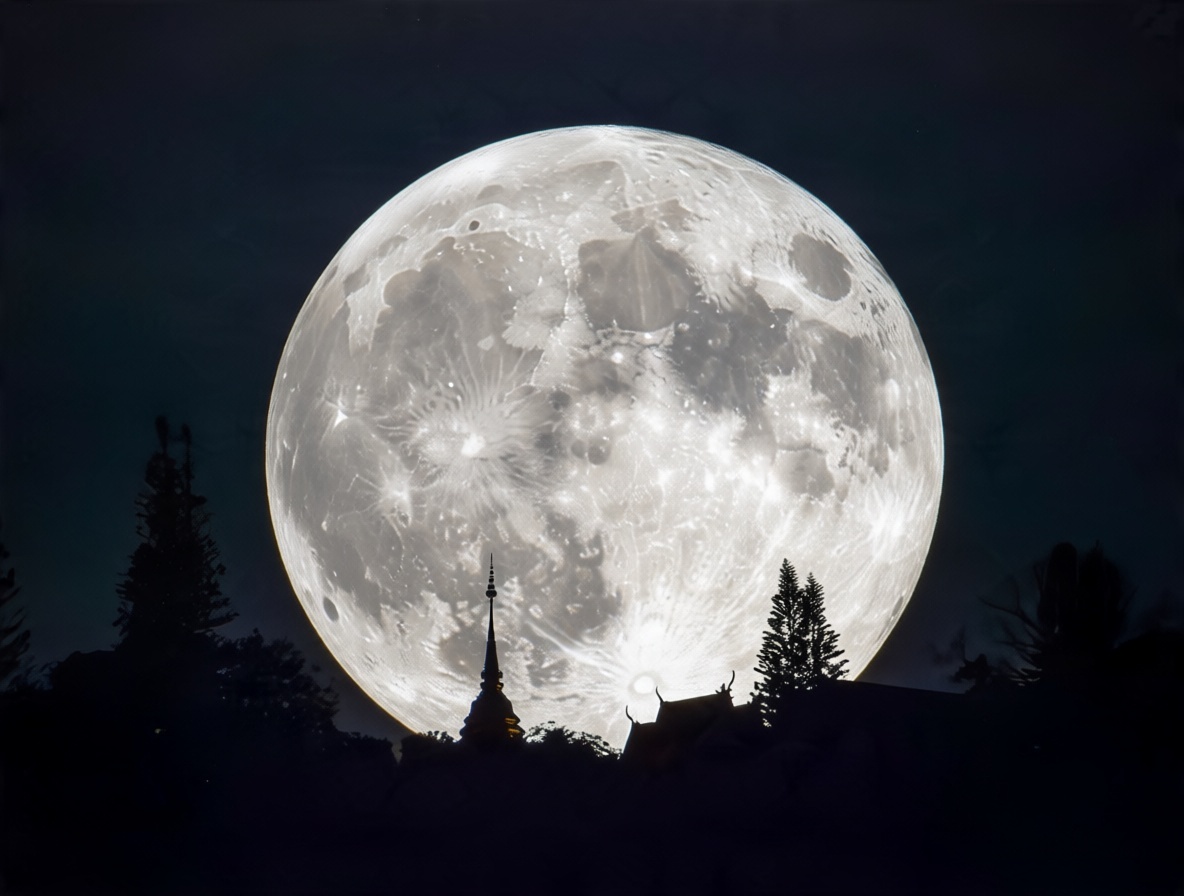
There is something quietly exciting about a full moon that has an exact moment worth catching. In December 2026, the full Cold Moon has a peak, and skywatchers feel the pull to check the peak time and plan a viewing session. It turns a normal evening into a small, hopeful event instead of a night that slips by.
That timing matters because the guide’s peak times help skywatchers line up evening routines, protect sleep, and decide if a December 2026 viewing trip is worth the time. It also explains why they now treat the Cold Moon as a timed event, checking before setting alarms and sharing plans instead of guessing. The choice is small, but it can make the night feel calmer, clearer, and more worth showing up for.
When Skywatchers Check The Cold Moon Peak
There’s a quiet thrill in knowing the full Cold Moon has an exact peak in December 2026. Skywatchers don’t want to just glance outside and hope; they check the peak time so the moment feels real and planned. That little check turns a vague maybe into a night worth looking forward to, which is why people who care about the sky take the time to do it.
Once the peak time is known, the next step is simple: plan a viewing session around the skywatching highlights. This is less about doing something fancy and more about giving yourself a clear window to step outside and be present. You don’t need a complicated setup to settle into the evening, look up on purpose, and let the moon be the reason you pause and notice how you feel.
That planning matters because a missed peak can feel like a very small letdown, especially when you were looking forward to it. By checking the time first, skywatchers turn curiosity into a simple plan they can keep, and they know when to be ready. That small choice makes the night feel less like guessing and more like a moment they chose to truly enjoy.
Peak Times Help With Routines Sleep And A Viewing Trip
Knowing the guide lists peak times gives skywatchers a calm starting point instead of a late-night scramble. They can look at the time, then align their evening routines around it rather than letting the night run them. That small bit of order is a relief, because a skywatching plan should not leave you feeling rushed at all or torn between the moon and your own comfort at home.
The guide also helps skywatchers protect sleep, which is a very real concern when a viewing night can pull you past your usual bedtime. You can decide how much of the evening you want to give and still keep your rest from falling apart. That choice matters, because feeling worn out the next day can turn a beautiful night into a regret you wish you had planned around.
Peak times also help skywatchers decide whether a December 2026 viewing trip is worth the time. They can weigh the pull of the experience against the effort it takes and make a choice they feel good about. That honest check is freeing, because saying yes or no becomes easier when you know what the night asks of you and what you want to give.
Skywatchers Treat The Cold Moon As A Timed Event
Skywatchers now treat the Cold Moon as a timed event, and that changes the whole mood. Instead of shrugging and hoping to catch it, they check the guide’s peak times for themselves and turn a maybe into a real plan. That shift brings a calm kind of confidence, because you no longer have to wonder if you missed the best part or second-guess what you saw.
Setting alarms is part of that new habit, and it sounds very small until you feel how much it protects the moment. A skywatcher can set an alarm ahead of time, quietly get on with the evening, and show up ready instead of guessing. That tiny bit of preparation really matters, because it makes the difference between a night you guessed at and a night you actually felt.
Sharing skywatching plans is another sign of the change, since people now send the idea around rather than keeping it vague. People can talk simply about when to look, pass the plan along, and make the plan feel shared and real. That connection is the quiet reward, because the Cold Moon becomes less of a solo guess and more of a moment people truly choose together.
Conclusion

The Cold Moon now feels less like a random glance and more like a moment people can actually meet. Skywatchers treat it as a timed event, and that simple shift takes the guesswork out of the night. It feels good to know when to look instead of hoping you got lucky.
So if you are thinking about the Cold Moon, let the plan be simple. Check the guide’s peak times, set an alarm if you need one, and share the skywatching plan with someone instead of guessing alone. That small act turns a quiet night into a moment you chose, and that is the real reward.
What do you think? Does knowing Earth’s “delivery story” change how you feel when you look at the stars?