


 Munzir Hakimi
Table of Contents
Introduction
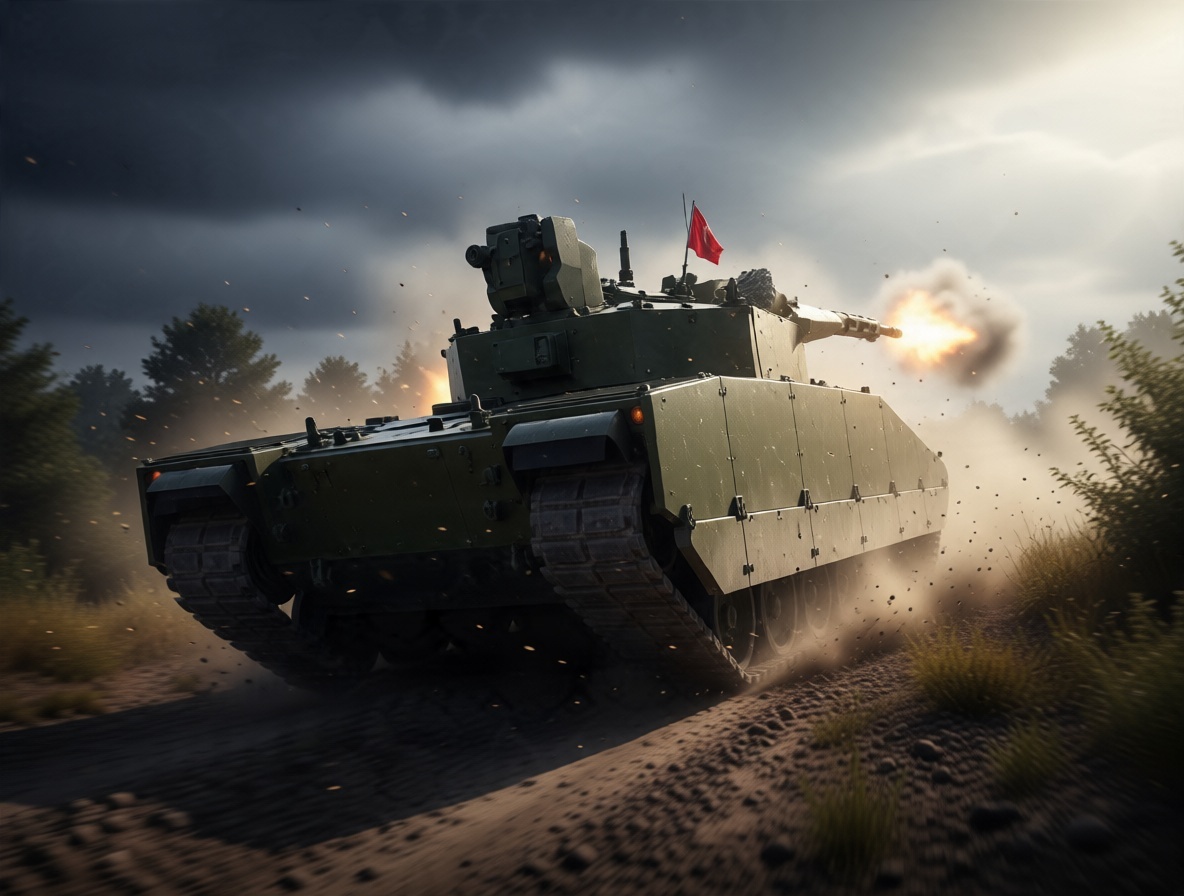
It can feel strange to watch a familiar armored vehicle show up in a fight that keeps changing. Ukraine gains Lynx KF41 fighting vehicles for counter-drone duty, and that arrival carries relief and unease at once. The machines still matter, but their old role is not the whole story. That mix of feelings matters because it asks crews to prepare in a new way, right where they already stand.
The pressure does not stop with the vehicles. Crews must adapt as armor is diminished but not eliminated, and that pushes training, maintenance, and tactical decisions into the open. Militaries keep fielding armored vehicles and giving them counter-drone roles, which shows armor is changed, not erased. Why care? Because that is how people face hard change too: keep what still works, give it a real job, and decide what to do next.
Armor Arrives For Counter Drone Duty
Picture a crew waiting as Lynx KF41 fighting vehicles arrive in Ukraine for counter-drone duty. They are not there for the old kind of armor story, and that shift can make a crew feel both useful and uneasy. That feeling changes how they get ready for the day, and readiness is not abstract to the people inside; it is a reminder that change lands on real people, not just machines.
Armor’s role is smaller now, but it is not gone, and that is a hard truth to sit with. It can bring relief because the vehicle still has people who need it, yet it can bring worry because the crew cannot lean on the old rules alone. The vehicle still needs a crew that changes, and that means real choices about how to use it, even when the answer is not clean.
Crews adapt, and that is the human part of the story. They have to rethink how they work while the same seat stays under them, which can feel like learning while the seat stays the same. So what matters is that crews must decide what to change now, not wait for a perfect answer, because that decision shapes what happens next, and that choice can steady a team or leave it guessing.
Pressure On Training Maintenance And Tactical Decisions
Adaptation sounds simple until it starts squeezing training, maintenance, and tactical decisions all at once. That can make a team feel stretched, because every part of the job now asks for attention. The consequence is real: people have to decide where to spend their time first, and those small choices can shape how ready they feel, so it helps to notice pressure before it becomes a crisis.
Training, maintenance, and tactical decisions do not sit in separate boxes when drones reshape the battlefield. They pull on each other, and that can be frustrating because a fix in one place may reveal a gap in another. The hopeful part is that armor still matters, so the effort is not wasted; it just has to be aimed well, which takes steady attention.
That is why the pressure on training, maintenance, and tactical decisions should not feel like a side issue. It touches the choices people make when they are tired, rushed, and responsible for others. If armor still matters even as drones reshape the battlefield, then the practical move is to protect the basics and talk honestly about the tradeoffs before the moment gets loud, because that is how teams stay steady together.
Armor Keeps Showing Up In A Counter Drone Role
You can see the result plainly: militaries keep fielding armored vehicles and assign them counter-drone roles. That can feel surprising, maybe even hopeful, because a familiar tool is still being put to use. The consequence for a reader is very simple: change does not always mean throwing away what came before, and that can make a person pause and rethink what still has value even in a tense moment.
This result shows armor is diminished but not eliminated. It is not the whole answer anymore, yet it is still part of the answer, and that can bring a quiet sense of relief. So what matters is that it gives people a practical way to face change: keep what still works and give it a real role, instead of pretending everything must be new.
That is the human takeaway from armor being diminished but not eliminated. It can steady your choices when change feels total, because it reminds you to look for the part that still matters. The practical move is to give that part a real job, even if its role looks different now, and that small shift can help you face a hard change without losing what already works.
Conclusion

The lasting picture is simple: militaries keep fielding armored vehicles and assign them counter-drone roles. That is the observable result, and it shows armor is diminished but not eliminated. It can feel reassuring, because it says a familiar thing can still matter even after its role changes, and that changes how you look at what is still useful.
So the practical takeaway is to keep what still works and give it a real role, even when the situation looks different. That can steady you in a hard change, because you are not pretending the old way is enough, and you are not throwing away the part that still helps. The result is exactly what the observable pattern shows: armor is diminished but not eliminated, and that is a changed role that still matters, which you can use in your own choices.
What do you think? Does knowing Earth’s “delivery story” change how you feel when you look at the stars?