


 Munzir Hakimi
Table of Contents
Introduction
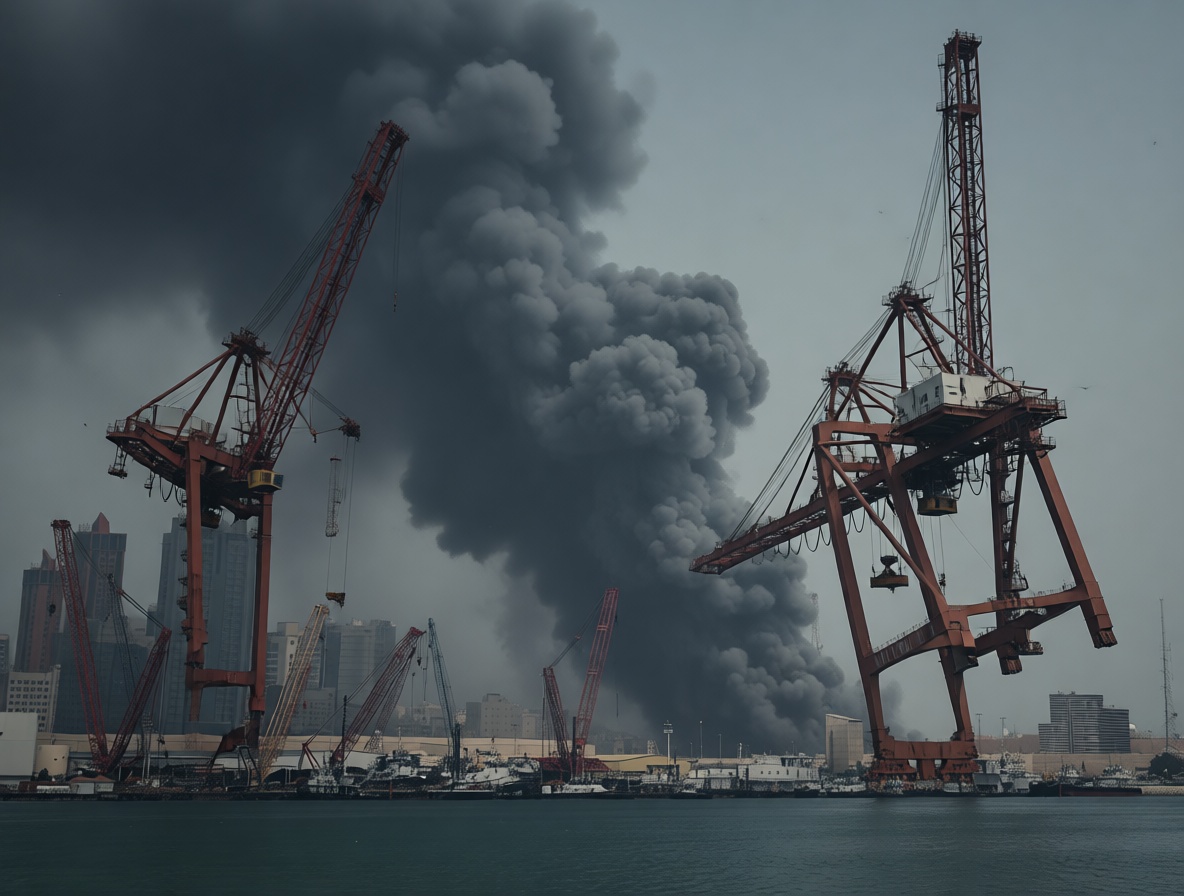
When something goes wrong with a Navy base on the other side of the world, it can feel too distant to matter. But NSA Bahrain is one of those places that keeps sailors safe, and when its ability to catch a threat early starts to slip, the worry stops being far away. It starts showing up in schedules, routines, and the quiet moments between phone calls.
A degraded base doesn’t just change what happens overseas. It can push sailors into uncertain deployment plans, stretch military families to their limits, and force Navy planners to factor Bahrain into every move they make. That chain of effects may begin far from home, but it ends in your living room.
When A Base Can’t See Trouble Coming
Picture this: someone you love is stationed at a base that can no longer catch an attack before it arrives, and the people in charge have to sit with that hard truth. That exact worry is what starts to wear on sailors and commanders when NSA Bahrain loses its early warning edge. It’s difficult to feel calm about a deployment plan when the place meant to protect your sailor doesn’t feel fully prepared anymore.
When that early warning disappears, confidence around old departure dates starts to crack. A schedule that once looked locked in can shift quickly, because commanders need time to look at the risks and decide what is actually safe to send people into. For a sailor, the phone call home stops being ‘mark your calendar’ and slowly becomes ‘I’ll let you know,’ and those four words can be harder than the longest deployment.
It would be easy to call this just another overseas problem, but it really lands at the kitchen table. The date on the fridge, the video call planned for Sunday, the countdown app that gets opened every morning—all of it begins to feel shaky. That is the moment a distant base issue changes the way a family holds the phone, waits for news, and plans a life around a maybe.
When The Wait Creeps Into Every Day
When a base stays in a weakened state, the Navy can’t always promise the same timeline for coming home that families counted on. Someone may be asked to stay longer, or the support they relied on may not be available at the same level. For the spouse at home, that news doesn’t arrive like a policy memo; it arrives as a quiet knot in the stomach and the question ‘how are we going to keep everything steady while one of us is gone?’
Fewer support options change the texture of an ordinary week in small but real ways. Maybe child care gets harder to line up, maybe the counseling appointment your family was waiting for gets pushed further out, or maybe there’s no one to cover the school pickup when you’re stretched thin. These are not dramatic setbacks, but they stack on top of each other and turn a distant warning into a Tuesday afternoon problem.
It’s tempting to tell yourself not to worry yet, but the heart doesn’t follow that rule. A longer deployment reaches into everyday life through missed birthdays, heavier solo nights, and little voices asking when the video call will come. That is how a base’s slow recovery stops feeling distant and starts showing up in the smallest routines, making the wait stay with you all day.
When Bahrain Becomes Part Of Every Plan
When a major base becomes unpredictable, the people who plan Navy operations don’t just hope things will work out. They start adjusting right now, before any final answer arrives, because waiting would only make the next decision harder. Bahrain’s ability to handle its role becomes part of the thinking behind nearly every operation, and that changes how risks are measured across the board.
This shift happens quietly, but it reaches into many moving parts behind the scenes: deployment teams may build extra time into the timeline, choose a different route, keep resources in reserve, or ask different questions before giving a green light. Every choice gets weighed against a simple concern: can Bahrain be depended on for this mission? That kind of caution is what separates a careful plan from a risky guess.
For someone waiting at home, this is not just internal military business. It means the person you love is being deployed by a team that is actively planning around a weak point instead of pretending it doesn’t exist. It won’t make the separation easy, and it certainly won’t remove the fear, but it can add a small thread of confidence that no decision is being made on autopilot. That thread may be thin, but for families, a little reassurance goes a long way.
Conclusion

The clearest takeaway is that nothing about this deployment will move on autopilot. Navy planners and deployment teams are already treating Bahrain’s capability as a factor in every operation decision, and that bit of care changes the story. It doesn’t fix the base or make the waiting simple, but it does mean someone is thinking hard about every step.
For a family member, that knowledge is more useful than it sounds. You may not control the mission, but you can hold on to the fact that decisions about your sailor are being weighed carefully, with Bahrain’s limits in mind. That is not enough to end the worry, but it’s a real reason to breathe a little easier while you wait.
What do you think? Does knowing Earth’s “delivery story” change how you feel when you look at the stars?