


 Munzir Hakimi
Table of Contents
Introduction
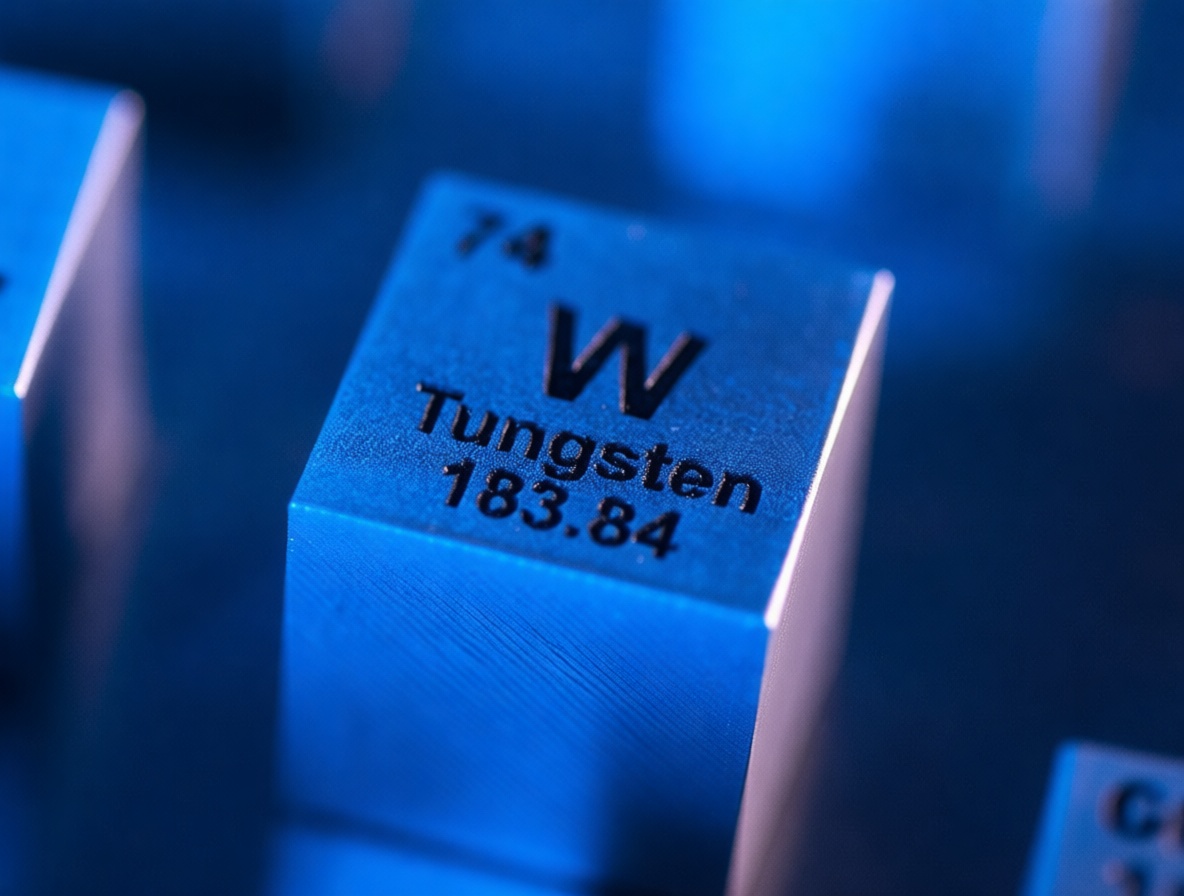
The Pentagon just put $450 million into The Elmet Group, and the target is tungsten. That may sound like a distant business deal, but it raises a personal question: can the country count on the supplies it needs when it matters most? Tungsten is a critical mineral, and this investment is sparking urgent questions about U.S. supply chain resilience. If you care about national security, this is not just a headline. It is a warning light.
At the same time, defense contractors may feel this in their budgets, their timelines, and their sourcing decisions. And the bigger signal is that defense planners now treat tungsten sourcing as a strategic supply-chain priority. That shift can shape choices, pressure plans, and make people wonder what else we have been overlooking. This story is about money, but it is also about whether the systems meant to protect us are ready for the strain.
The Pentagon’s Big Tungsten Bet
The Pentagon has decided to put $450 million into The Elmet Group, and the focus is tungsten. That is a lot of money for a mineral many people never think about. But tungsten is a critical mineral, so this is really a bet on whether the country can keep its supply chain steady. If that chain holds, important work can keep moving. If it breaks, the cost is not just money.
The urgent questions now are not about one company or one deal. They are about resilience. Can the U.S. supply chain handle shocks, shortages, or sudden changes without leaving important needs unmet? That matters because resilience is not a buzzword when you are the one waiting for something important to arrive. You may not buy tungsten yourself, but you depend on systems that do. So the strength of that chain can shape whether promises are kept.
So the $450 million investment is more than a headline about a company. It is a signal that tungsten sits inside a larger question about whether the country is prepared. For everyday people, that question can feel distant until a shortage turns into a real-world problem. Then it becomes personal very quickly. That is why the investment is worth watching even if you never follow mining news. It can turn a quiet supply detail into a public worry.
Defense Contractors Face Budget Timeline And Sourcing Pressure
For defense contractors, this $450 million tungsten investment may not feel like a far-off policy story. It can show up as pressure. Budgets may get tighter. Timelines may stretch. Sourcing decisions may become harder. That means leaders have to choose what to protect and what to delay, and those choices can affect real people who depend on steady work and clear plans.
The pressure is not just about money. It is about promises. A contractor that planned to buy materials from one place may need to look somewhere else. A team that expected to finish on schedule may need more time. Those changes can ripple into delays, uncertainty, and difficult conversations. If you work with or rely on defense projects, that can feel like waiting for a moving target.
So the investment may push contractors to rethink how they plan. They may need to adjust budgets before problems grow. They may need to reset timelines before expectations harden. They may need to change sourcing before a shortage forces their hand. That is uncomfortable, but it is also a chance to make smarter decisions early. For anyone connected to this work, the lesson is simple: pressure today can become stability tomorrow if it is handled well.
Tungsten Sourcing Becomes A Strategic Priority
The Pentagon’s $450 million move into The Elmet Group says something bigger than the dollar amount. It shows that defense planners now treat tungsten sourcing as a strategic supply-chain priority. That is a shift in mindset. A material that might have seemed like a quiet detail is now part of the main plan. If you care about national security, that matters because priorities decide where attention and effort go.
When something becomes a priority, it stops being background noise. It gets tracked. It gets debated. It shapes decisions that might otherwise go unnoticed. That is why this signal matters beyond the boardroom. It tells you what defense planners are willing to focus on, and focus is how problems get solved or ignored.
For the rest of us, the takeaway is not that we all need to follow tungsten news. It is that supply chains can quietly become national priorities. When that happens, the choices leaders make can affect the feeling that the country is prepared. You do not have to be a defense expert to understand the emotional core: people want to know the important stuff will be there when it counts. This move suggests someone is finally treating that question as central.
Conclusion

The Pentagon’s $450 million move into The Elmet Group is not just about money. It shows that defense planners now treat tungsten sourcing as a strategic supply-chain priority. That is the real signal. It means tungsten has moved from a quiet detail to something that shapes serious planning. If that feels distant, remember that priorities are how people show what they value. When sourcing becomes strategic, attention follows, and attention can change decisions.
What can you do with that? You can stop thinking of supply chains as boring background. Just notice what leaders call a priority. That tells you what they are trying to protect, and that is worth paying attention to. You do not need to become an expert. The simple takeaway is this: what gets called strategic today can shape choices tomorrow.
What do you think? Does knowing Earth’s “delivery story” change how you feel when you look at the stars?