


 Munzir Hakimi
Table of Contents
Introduction
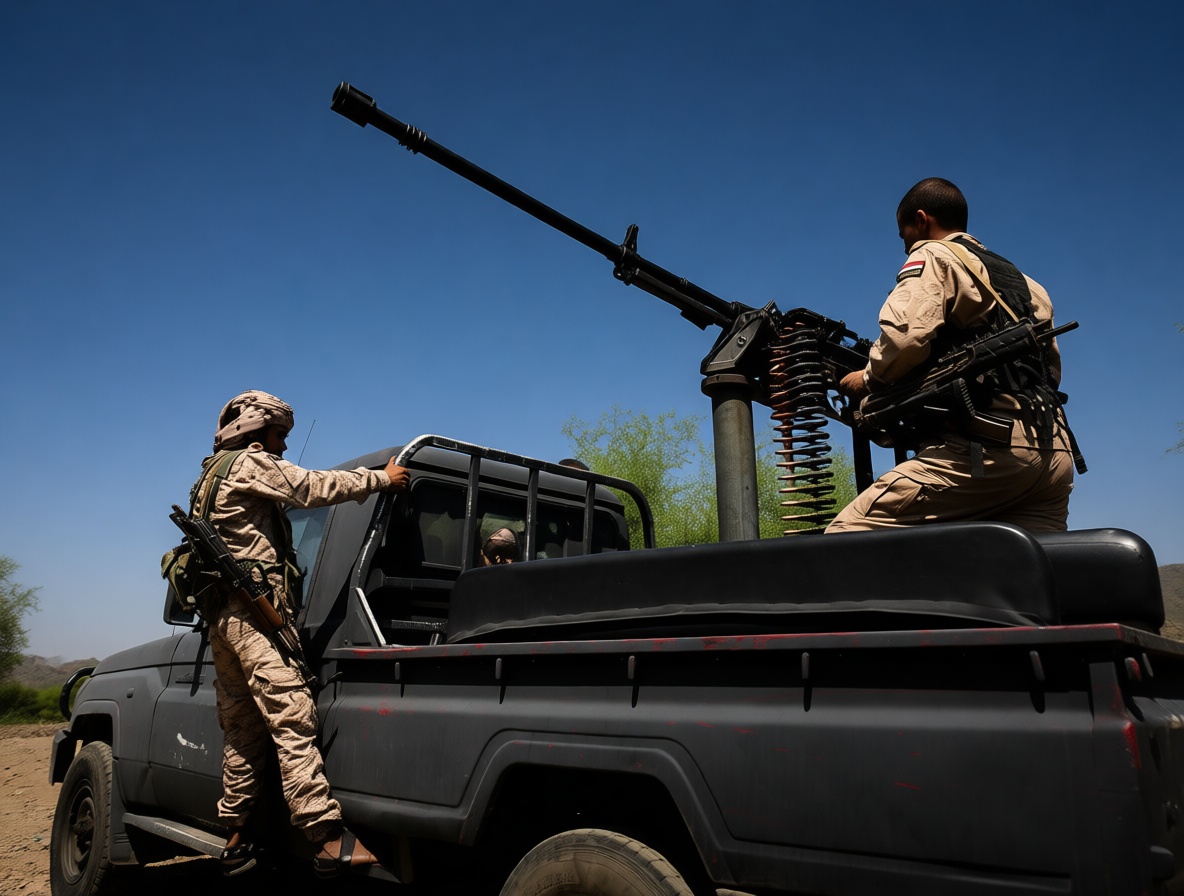
When a government says it will launch a major campaign to recapture all Houthi-held areas, families don’t just hear politics. They hear that the front line could shift closer to home, and that fear can settle in before any fighting even reaches them.
That’s why this moment matters beyond the headline. Households near contested areas may soon face hard choices about moving, supplies, and staying put. And behind the scenes, analysts, aid groups, and transport operators may adjust routes, stockpiles, and risk planning as the campaign unfolds. If those choices and adjustments feel distant, remember they can decide whether a family feels safe, fed, and able to wait one more day.
A Major Campaign And Families Bracing For Shifts
When the Saudi-backed government says it is launching a major campaign to recapture all Houthi-held areas, that announcement lands like a warning bell, and families may feel the front line might not stay where it is. That uncertainty is heavy, because home is supposed to be the one place that doesn’t move. That fear alone can make people rethink whether to stay calm or start preparing, even before anything visible changes.
Families may brace for new front-line shifts by watching, waiting, and holding their breath. They might keep family members closer, check in more often, and wonder if the quiet around them is a good sign or just a pause. Those small actions are how worry turns into a daily routine, one that no one plans but everyone recognizes.
For a family, bracing doesn’t have to mean a big dramatic move. It can mean staying alert, listening for news, and preparing emotionally for a street or neighborhood to suddenly feel different. The campaign is about recapturing areas, but for the people living there, it can feel like the map of daily life is being redrawn, turning familiar streets into places they may no longer recognize, and that shift is personal, not abstract, because it can change what home means from one day to the next.
Decisions About Movement Supplies And Staying Put
For households near contested areas, the announced campaign can turn ordinary choices into hard ones. Should you move, stay, or buy extra supplies now instead of waiting to see if markets stay open? Those questions hit fast, and they hit at home, because each answer could change what the next week feels like, who gets to feel safe, and whether a family can breathe easy, at least for now, before anything changes.
Movement becomes a gamble when routes can shift without much warning. Supplies become a worry when markets might open one day and close the next. Staying put can feel like courage, exhaustion, or simply having nowhere else to go—and every option carries its own fear, even if no one says it out loud or admits how tired they are.
Families may start planning in smaller and smaller steps. They might ask which way is safer today, what supplies to keep close, and whether leaving would be braver than remaining. That is the quiet consequence of an announced campaign: the future shrinks to the next trip, the next purchase, the next night, and the next decision that cannot be put off, no matter how much they wish it could be.
Routes Stockpiles And Risk Planning Adjust
When a stated recapture campaign unfolds, analysts, aid groups, and transport operators may start adjusting their plans before anyone else sees the change. They are not waiting for every detail to become clear. They are looking at routes, stockpiles, and risk planning, because those are the pieces they can still control when the situation keeps moving, and that is the early ripple of a campaign that has not even fully played out.
That adjustment can be quiet, but it is not small. A route change can mean help or goods take a different path, a stockpile decision can mean holding more back for later, and risk planning can mean treating the same journey as more dangerous than it was yesterday. Each choice is a way of saying, we still have to act, even when we cannot see the whole picture.
For anyone watching from the outside, these adjustments are a signal. They show that the campaign is already changing how people plan, store, and weigh danger. That matters because when routes, stockpiles, and risk plans shift, the effects do not stay locked inside a meeting room; they can reach the people who depend on those plans without ever hearing the details.
Conclusion

Analysts, aid groups, and transport operators may adjust routes, stockpiles, and risk planning as the stated recapture campaign unfolds. That may sound like their work, not yours. But it is a reminder that when danger grows, the response shows up in quiet choices: what path to take, what to save, and what risk is too much.
You do not have to know every detail to understand the stakes. If routes, stockpiles, and risk plans are changing, then the situation is shifting in ways people will feel later. Hold onto that. When plans are adjusted behind the scenes, it is a sign to pay attention, stay grounded, and remember that unseen choices can shape what comes next.
What do you think? Does knowing Earth’s “delivery story” change how you feel when you look at the stars?