


 Munzir Hakimi
Table of Contents
Introduction
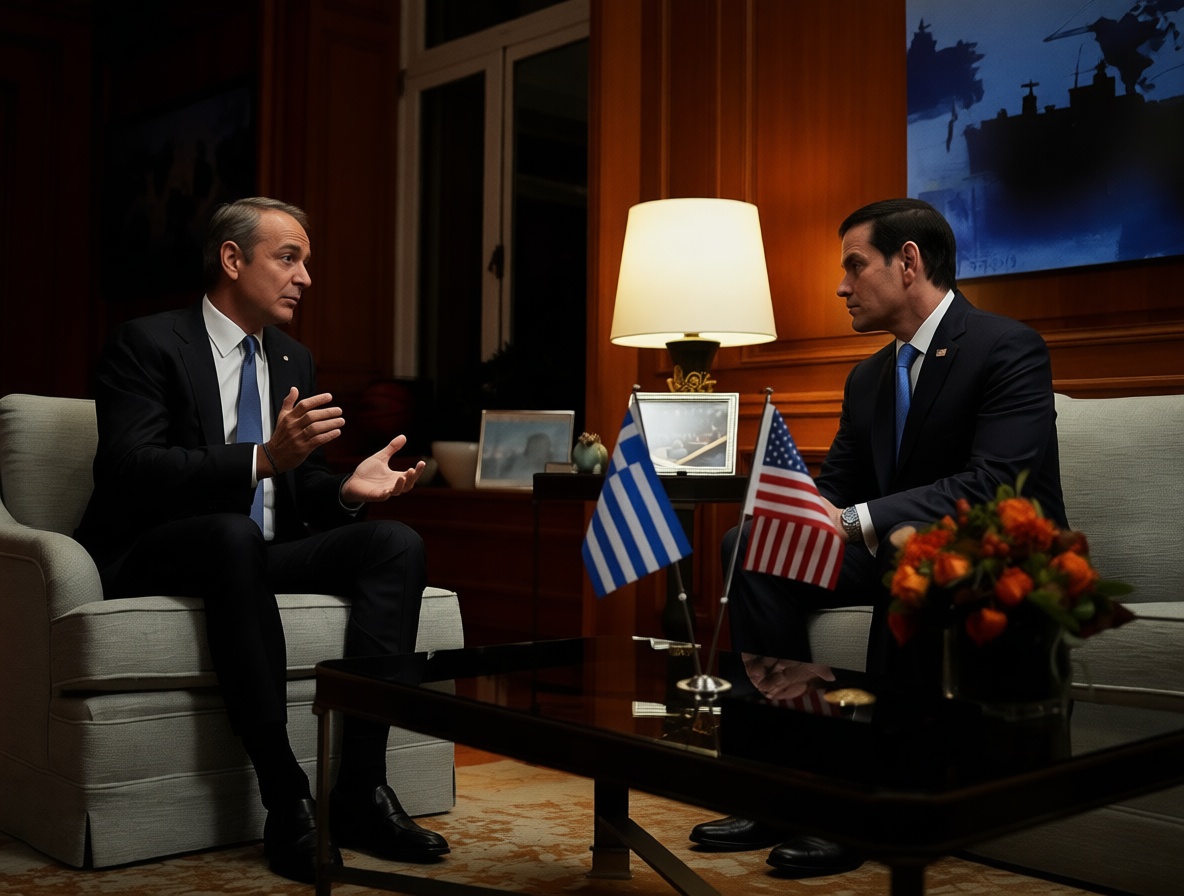
Imagine a police officer gets a warning about someone crossing borders. If the warning can move as fast as that person, everything can change in a heartbeat. A new joint US-Greek effort is about opening a shared channel for counterterrorism tips. That sounds official, but it touches real family life.
It could help an officer act on a lead that crosses borders. It could also mean families near ports and borders face tighter screening, longer checks, and different travel plans. And behind the scenes, agencies may stop keeping separate case files and start sharing leads. So why care? Because faster alerts can turn a faraway threat into a nearby decision about safety and trust.
When A Threat Lead Crosses Borders
Picture an officer who gets a warning about a possible threat from another country. Usually, that warning might live in a separate office, waiting for the right person to pass it along. Now imagine the US and Greek law enforcement agencies open a joint counterterrorism information-sharing channel. That officer can act on a lead that crosses borders. That channel is the bridge.
Why should you care? Because a threat does not stop at a border line. If the warning travels, the officer can travel with it in a sense. That can mean less time lost between knowing and doing. It can also mean a small clue in one place gets treated as urgent in another. In real life, that might be the difference between a quiet warning and a quick response. A warning that crosses borders is only useful if someone on the other side can do something with it.
Think of it like two neighbors finally agreeing to call each other instead of waiting for news to drift down the street. The officer still has to check facts and follow rules. But with this channel, a cross-border lead can become action. That is the human payoff: fewer gaps for danger to slip through. For people watching from a distance, it may feel like the system is finally moving as one.
When Faster Alerts Change Family Travel
If you live near a port or a border, a faster police alert can reach your daily routine. It may not feel like a headline. It may feel like a longer line, a slower check, or a question you did not expect. For families, tighter screening can change a simple trip. The alert is not just a police message. It is a signal that the next trip may go differently.
Why should you care? Because faster alerts are meant to protect people. But protection can also bring inconvenience. You might leave earlier for work or school. You might double-check everyone’s papers before you go. You might skip a quick crossing because the wait feels too uncertain. That is not fear for fear’s sake. It is the practical cost of living near an open border or a busy port. A faster warning can protect, but it can also make ordinary travel feel less ordinary.
Think about a parent packing snacks for a short ferry ride. Now they also pack extra patience for a longer check. Or a family visiting relatives just across the line. They may watch the news and wonder if today is a good travel day. These are small choices, but they add up. Faster alerts can change how safe people feel—and how they move through their own neighborhood. And that shift can stay with a family long after the alert passes.
When Agencies Share Leads Instead Of Files
A police agency often keeps its own case files. That can mean one team knows a piece of the puzzle while another team holds a different piece. Now imagine agencies shift from those separate files toward shared counterterrorism leads. The picture becomes less divided. That shift may sound small, but it changes how police work together.
Why should you care? Because police work does not happen in a vacuum. When leads are shared, officers can brief their partners differently. They can coordinate cross-border checks with a clearer sense of what matters. That may mean fewer mixed messages and fewer surprises. It can also mean partners spend less time asking, ‘Did you know this?’ and more time acting on the same information. A briefing becomes less about catching up and more about moving forward.
Think of two teams trying to watch the same road from opposite ends. If they never talk, they may miss what the other sees. If they share leads, they can plan checks together and adjust as things change. The shift is not just about paperwork. It is about how police trust and coordinate with each other. For the public, that can feel like a system that is finally working in step. And when partners are on the same page, cross-border checks can feel less random and more purposeful.
Conclusion

The real change here is not a new building or a new title. It is a shift from separate case files toward shared counterterrorism leads. That changes how police brief partners and coordinate cross-border checks. For anyone who cares about safety, that shift matters. It means the people watching the same problem may finally be reading from the same page.
You do not need to understand every police process to feel the difference. When agencies share leads, briefings can become clearer, and partners can move with a common purpose. The hope is simple: fewer gaps, less confusion, and more trust between the people who protect us. That is a quiet change, but it is one that can shape how safe we all feel.
What do you think? Does knowing Earth’s “delivery story” change how you feel when you look at the stars?