


 Munzir Hakimi
Table of Contents
Introduction
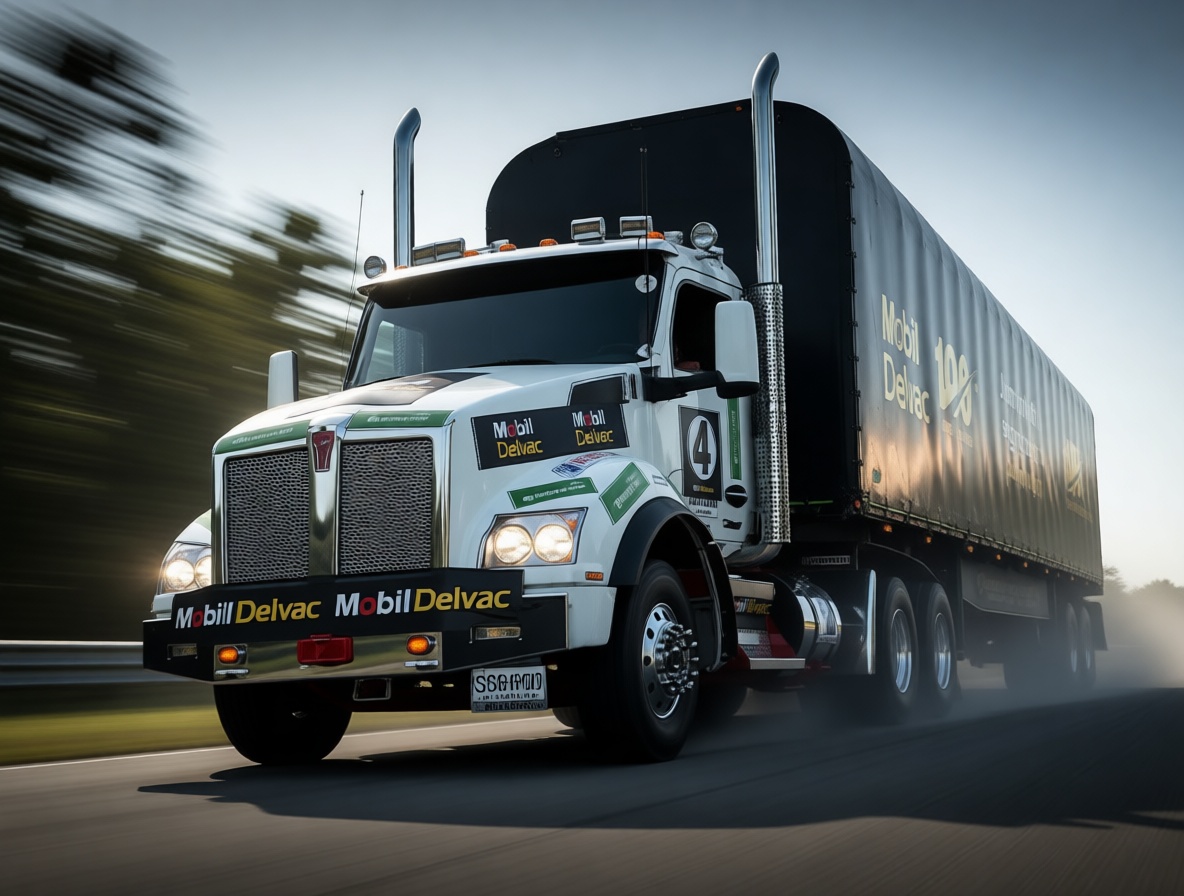
There’s a strange thrill in asking a big, heavy truck to perform like a race car. Add a trailer to the back, and the stakes feel even higher. You can almost feel the weight shifting under your seat, and suddenly every decision matters. It doesn’t matter if you’re behind the wheel or just watching from the side of the road—this is where trucking gets personal.
Now imagine that same thrill pushing teams to spend time and money preparing real tractors for track duty. It also pushes manufacturers to care more about trailer stability and tire grip. Trucking stops being just a job and becomes something that changes how we see every hauler on the road.
The Moment The Rig Starts To Fight Back
Picture yourself on a racing course, trying to set your fastest time, with a heavy trailer chained to the back of your rig. You’re trying to hold a smooth line, but then you hit the brakes, and suddenly the whole truck seems to lean forward. The weight is no longer just cargo—it becomes something alive that wants to keep moving, and the cab starts to feel heavier with every heartbeat.
That shifting weight changes how the steering responds and how much trust you have when you approach the next corner. It’s not about showing off—it’s about realizing how easily a heavy load can surprise you. For anyone who hauls for a living, that feeling can be the difference between arriving safe and ending up in the weeds, and it reminds you that every piece of cargo is a responsibility you carry.
After one lap, your attitude toward the trailer changes completely. You stop treating it like a simple box behind you and start respecting the load before it bites back. The next time you get behind the wheel of your truck, you give yourself extra room under braking and pay closer attention to how the trailer feels in the corners, because now you know exactly how much the weight can move.
The Hidden Cost Of Racetrack-ready Trucks
When a team decides to race with a real tractor and trailer, the work starts long before the engine warms up. Every tire has to be inspected, every brake has to be checked, and the whole truck has to be treated like it’s going into battle. That kind of preparation turns racing into a serious job, one that follows everyone home and leaves no room for guesswork.
Those checks don’t happen at the track. They happen at home base, where the team has access to tools, parts, and space. A highway truck can seem fine for months, but track duty exposes every weak spot, and the cost of replacing tires and brakes can pile up before a single lap is even completed. That means a team has to look at every component with fresh eyes and decide what can handle the extra stress.
For the people doing this, the pressure is real. They have to decide whether the excitement of racing with a trailer is worth the overtime and the repair bills. You can’t just show up and trust luck; you have to plan, budget, and sweat every detail before the hauler ever leaves the driveway. It is a constant reminder that speed comes with responsibility.
When Lap Times Start Judging Real Trucks
Once racing teams and trucking fans start judging road-legal haulers by lap times, the conversation changes in a surprising way. A truck’s value is now tied to how well it handles a heavy load under pressure, and that changes what gets attention. Lap times force people to look at the whole rig, not just the engine, and that includes the trailer rolling along behind and the tires working to hold the line.
That new focus puts trailer stability and tire grip at the center of design talks. If the trailer sways or the tires slip, a fast lap simply isn’t possible, so those details become essential rather than optional. Manufacturers have to pay attention to them if they want to be taken seriously, and that means real changes in the trucks we see on the road.
For everyday drivers, this is a quiet win, but it’s also a shift in expectations. When stability and grip become selling points, roads feel safer for everyone, and that peace of mind makes a long trip feel less stressful. Buyers may start asking how a truck handles a curve instead of just what it can pull, and that question pushes safer design even further.
Conclusion

Lap times have a way of revealing what really matters. When trucking fans start judging road-legal haulers by how they perform, trailer stability and tire grip can’t hide in the background anymore. They become the details that make the difference between a truck people trust and one they don’t.
The next time you see a truck on the highway, don’t just notice its size. Look at how steady the trailer stays and how much grip the tires seem to have. Those are the real signs of a vehicle built to be judged, and they tell you more than any spec sheet ever could.
What do you think? Does knowing Earth’s “delivery story” change how you feel when you look at the stars?