


 Munzir Hakimi
Table of Contents
Introduction
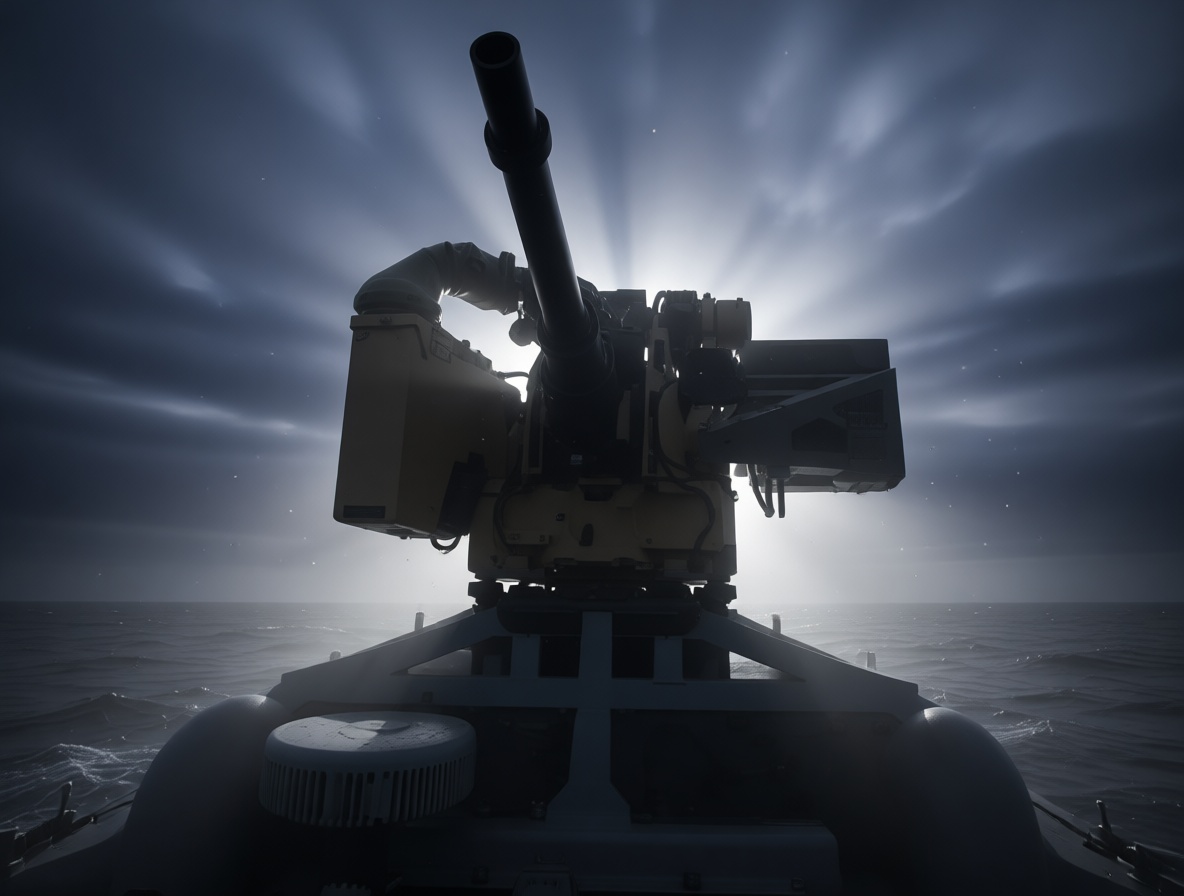
Imagine a boat with no one on board. Now imagine another boat like it, also empty, pulling a trigger. That is the strange new turn in sea warfare, and it makes people ask who is really in control.
That is why a machine gun on one drone boat may have killed another drone boat, a claimed first. It is also why navies may rethink patrols and ship defenses, and why crews and remote operators may soon plan for boat-on-boat attacks. This is not distant science fiction. It changes how people watch the water, trust their tools, and prepare for danger.
When One Robot Boat Shoots Another
One empty boat may have just destroyed another empty boat. A machine gun mounted on a drone boat may have killed another drone boat. If true, that is a claimed first in uncrewed surface vessel warfare, where boats move without crews. That sounds like a small detail, but it marks a big line being crossed.
So what? It means the danger is no longer only about sailors facing sailors. It can be about machines facing machines, with people watching from far away and wondering what just happened. That distance can feel cold, but it also raises a hard question: who is responsible when no one is on board? Even if no person is physically there, choices were made, orders were given, and someone has to live with the result.
Even as a claim, it changes the mood. A boat that was only a tool can now be a hunter. That makes people pay closer attention to small vessels and feel less certain about what is safe. For a person following the news, it can turn a distant sea story into a quiet worry about how war is changing. It is a reminder that even empty boats can carry real consequences.
Navies May Rethink Patrols And Ship Defenses
Small uncrewed boats are not just for watching anymore. When they carry guns, they can target other uncrewed boats. That makes navies stop and rethink how they patrol and how they defend their ships. That is a big change for navies, because a boat that was once a simple tool can become a moving threat. It can make old habits feel out of date overnight.
Why does that matter beyond a navy base? Because a patrol plan is really a promise: we will spot trouble, we will protect the space, we will keep people safe. If small armed boats can slip into that picture, that promise feels shakier. It means the people who rely on those patrols may not know how much protection they really have. That uncertainty is not abstract. It can shape where ships sail, when they sail, and how close they get to danger. It can also make everyday safety feel more fragile for anyone who depends on the sea.
Think about the people who plan those patrols. They must now ask whether a little boat is just watching or waiting to attack another little boat. That question can change routes, timing, and who gets sent into harm’s way. It can also make a ship’s defenses feel less simple, because the threat may be small, remote, and hard to read.
From Scouts To Gun Platforms At Sea
Uncrewed boats used to be the eyes of a fleet. They watched, scouted, and stayed out of the fight. Now they may become gun platforms, which means they are not just seeing the fight; they are part of it. That is a strange new role for a boat with no crew. It can scout one moment and attack the next, which makes every plan more complicated.
That shift changes how crews and remote operators plan. They must prepare for boat-on-boat attacks, where one uncrewed boat goes after another. It is not only a tech change. It is a human change, because someone has to decide what the boat should do. Crews and remote operators cannot just watch the screen and wait. They have to think about distance, timing, and the fact that another machine may be hunting them back. That turns a calm shift into a tense one.
A remote operator may sit far away, yet still have to make split-second choices about a boat that can shoot another boat. That can feel like power and distance, but also like pressure and guilt. Planning becomes more personal: who takes the shot, when, and what happens after? Even from a safe room, the choice can follow you home.
Conclusion

The move from scouts to gun platforms is not just a new label. It means uncrewed boats may no longer only watch the sea. They may attack other boats, and that makes crews and remote operators plan for boat-on-boat attacks. That is a heavy responsibility, even from far away.
You do not have to be in that world to feel the lesson. When a tool becomes a weapon, the person behind it has to rethink what responsibility means. The sea may feel more automated, but the choices remain deeply human. So the real takeaway is simple: planning for boat-on-boat attacks is also planning for what people will carry inside themselves.
What do you think? Does knowing Earth’s “delivery story” change how you feel when you look at the stars?