

 Munzir Hakimi
Table of Contents
Introduction
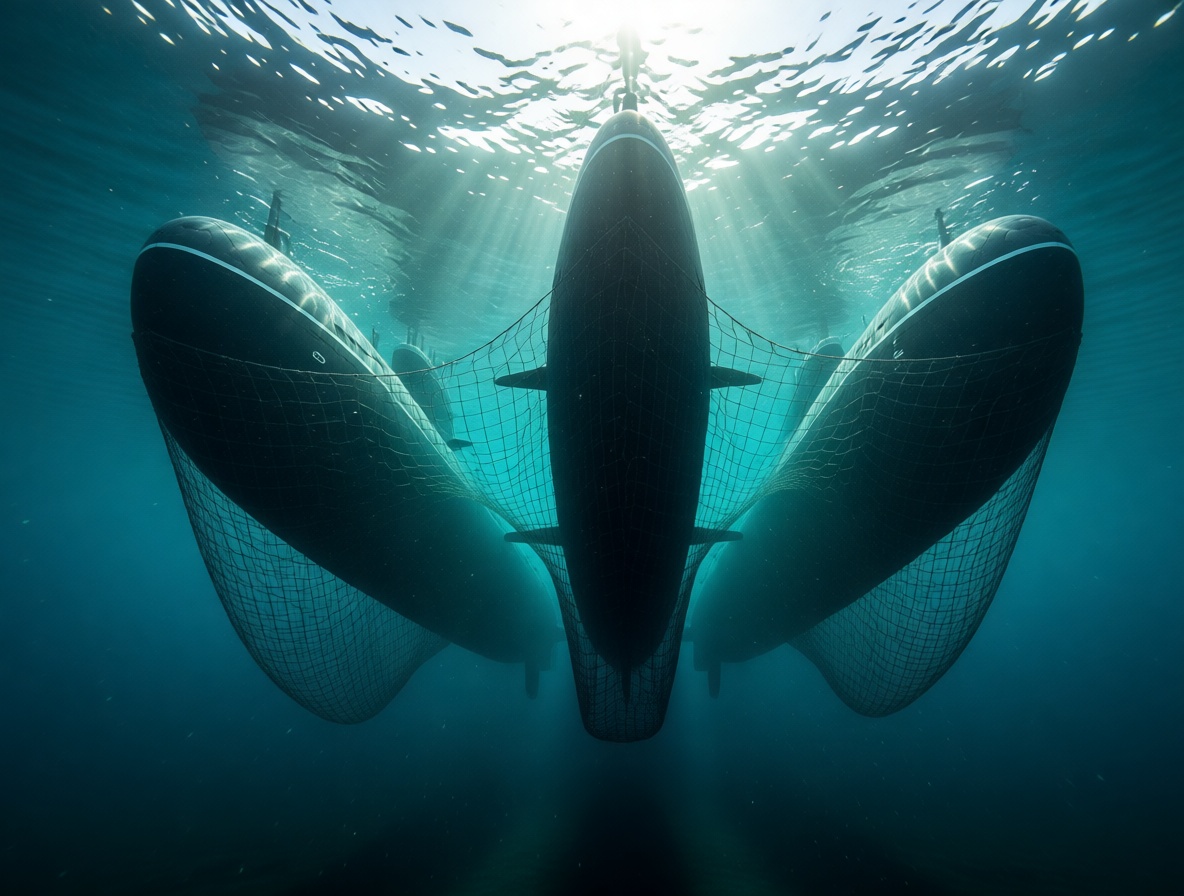
When you picture a ballistic missile submarine, you probably imagine something untouchable—the ultimate symbol of safety. Seeing one wrapped in nets feels wrong at first, like looking at a fortress wearing a blanket. That image makes you stop and think: if even this needs protection, what about everything else?
The truth is that drone threats have changed the game for everyone. Sailors get that uneasy pause, base crews face new daily jobs, and naval forces everywhere are already adapting. This isn’t just military strategy—it’s about what safety really costs in a world where the sky is no longer empty. It makes you wonder what new routines you would accept for a sense of safety.
Even Ultimate Deterrents Need Shielding
There is something jarring about seeing a ballistic missile submarine cocooned in nets. It is supposed to be the ultimate deterrent, the weapon that makes enemies think twice before doing anything reckless—but instead, it looks like something fragile that needs constant guarding, and that contradiction is hard to shake. That image stays with you because it strips away the illusion of total safety.
If the most powerful submarine on earth can be made to look vulnerable, then no one is truly untouchable. A sailor standing on deck feels that truth in their chest—not panic, but a quiet realization that the old rules no longer apply. They are witnessing the end of an assumption that some things are simply too strong to threaten, and it forces a question that lingers: if this needs protection, what doesn’t?
This moment matters beyond the waterfront, too, because it touches anyone who has ever assumed being strong meant being safe. Seeing the ultimate weapon wrapped up like fragile cargo makes you rethink your own defenses, and it may even change how you view the ordinary risks you deal with every day. The real emotional punch is that safety is never a permanent state—it is something you have to keep adjusting.
When Netting Becomes Part Of The Daily Routine
For the people who keep a naval base running, netting is not just a strange detail in the news. It is an extra set of daily jobs on top of everything else they already handle, and checking the nets, fixing tears, and making sure they stay secure quickly becomes part of the normal rhythm. It turns protection into steady, daily labor that never fully disappears.
Think about how it feels when your to-do list suddenly gets longer—you don’t panic, you just feel the weight pressing on your shoulders. That is exactly what these crews are facing, because the nets need maintenance, patrol schedules need adjusting, and someone has to own the responsibility every single day. The emotional cost is exhaustion mixed with quiet responsibility—not fear, but a constant low hum of duty.
This change does not make big headlines, but it shapes real lives in quiet ways. A sailor might finish one task and immediately move to the next, knowing there is no real break from protecting the base, and that feeling of never being completely off-duty is something many people can relate to at their own jobs. The consequence is simple: new dangers always carry new human costs, and those costs show up in tired evenings and shorter patience.
Visible Signs Of Change In Drone Skies
The change is already visible if you know where to look. Naval forces far and wide are stretching nets over their most valuable submarines, and the images are hard to miss once you notice them in the background of news reports and official photos. These are not experimental ideas or future plans—they are happening right now, and they signal that uncrewed drones now shape how bases protect their best assets.
Uncrewed drones are simply aircraft that fly without a person inside, but their effect is enormous. They are small, hard to predict, and able to reach places that once felt out of reach, so bases are responding in the most direct way possible: putting a physical layer between their submarines and the sky. This visible shift tells everyone a simple truth: the threat is real, and the response is already moving.
What makes this powerful is that it is not hidden behind closed doors or kept inside classified briefings. Anyone paying attention can see the same nets and start to understand something important: the most valuable things in life now demand fresh, creative protection. What stays with you is this: adaptation is not weakness—it is the clearest sign of awareness, and awareness keeps people and institutions genuinely safe.
Conclusion

The image of a submarine under nets is not just a military detail. It is a reminder that the world keeps changing, and the things we rely on for safety need new layers of care. Seeing naval forces adapt openly means the old way of thinking is gone.
You can take that thought with you. If the most guarded submarines on earth are being protected differently, then everyone can ask: what new threats am I ignoring? The answer won’t always be a net, but the instinct matters. Willing to adapt is real security—for bases, for families, and for you.
What do you think? Does knowing Earth’s “delivery story” change how you feel when you look at the stars?