


 Munzir Hakimi
Table of Contents
Introduction
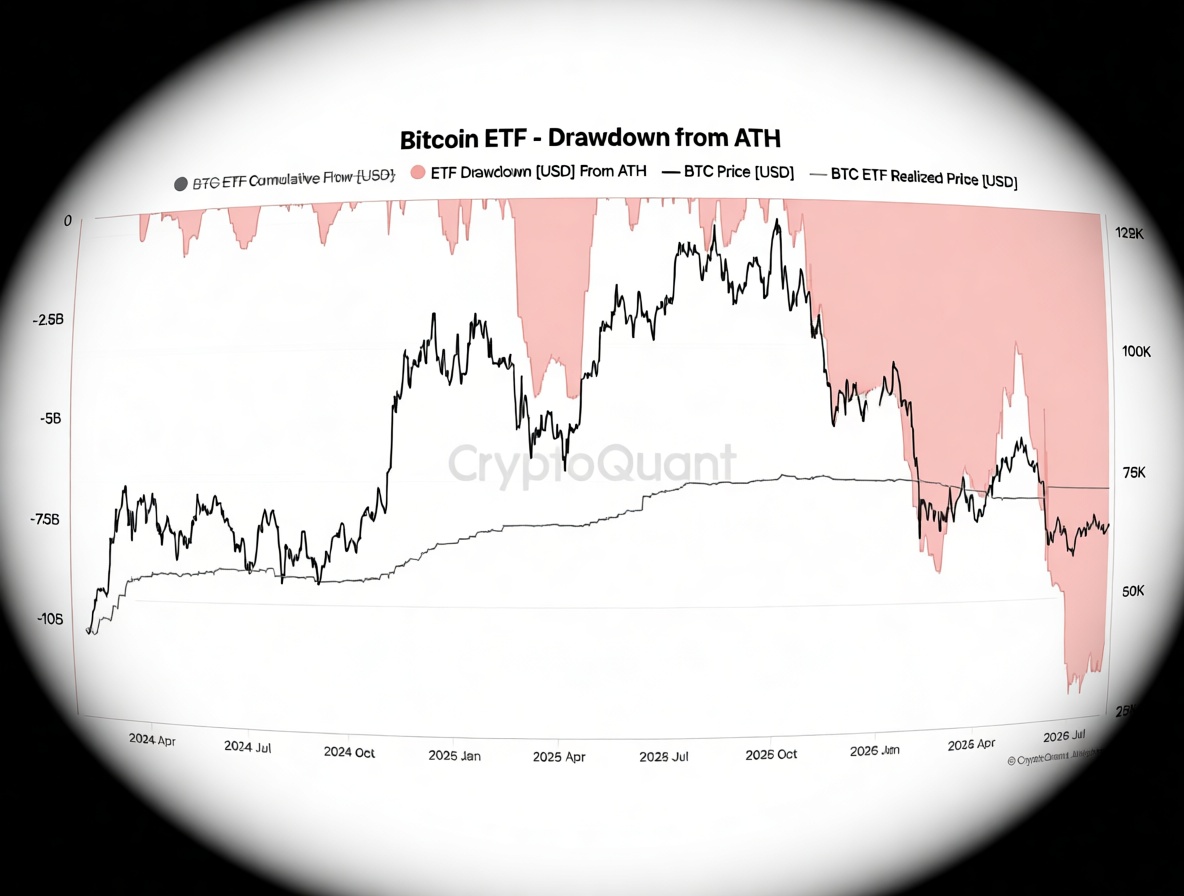
There are moments in Bitcoin when the numbers start to feel personal. This is one of them.
Something is changing beneath the usual price talk. Big institutions are putting money into Bitcoin through exchange-traded funds, and everyday people are choosing to hold their own coins instead of leaving them with a third party. Devices that allow self-custody are even becoming a normal part of the conversation. What ties it all together is trust—who you trust, why you trust them, and how good it feels when trust starts with yourself. That’s not just about Bitcoin. It’s about the freedom you want in your own financial life.
When Big Money Stops Talking And Starts Moving
There’s a special kind of relief when you stop relying on hype and see that actual money is moving the market. That’s what happened when wallets tied to Bitcoin exchange-traded funds started taking in a serious amount of Bitcoin, and anyone paying attention could feel the mood change. You didn’t need to read between the lines anymore—the activity was right there, and it said big money wasn’t just making promises; it was putting real capital behind those promises.
For everyday folks, this visibility changes the emotional game completely. The question stops being ‘Is Bitcoin a joke?’ and becomes ‘Am I ready to take this seriously?’ Because when institutions put real money on the line, you feel safer moving from curiosity to action—and that confidence can be the difference between standing on the sidelines forever and finally making a choice.
The practical result is a quieter mind, because it’s easier to rest easy when you know your interest isn’t just a lonely bet. Now you can look at Bitcoin as something worth understanding instead of something to panic about, and that shift alone can change how you approach your own money. It’s the difference between acting out of fear and moving with quiet certainty.
New Wallets And New Rules
When a giant wave of new Bitcoin wallets showed up in just one week, it wasn’t an accident or a headline that vanished the next day. It was a sign that average people were making a quiet but powerful decision about their own money. They were choosing to hold their coins themselves instead of relying on someone else to guard them, and that choice changes what owning money means.
That decision usually starts with a little fear, because being your own guardian means you’re responsible if something goes wrong. But it also brings a wave of relief once you understand you don’t have to hope a company will keep your money safe. You’ve got the keys, the control is yours, and that shift in power can make you feel grounded rather than anxious.
This matters because it changes your relationship with money at a very personal level. You stop feeling like you’re renting your Bitcoin and start feeling like you actually own it, and that feeling doesn’t disappear. The more people make this choice, the more normal holding your own money becomes—and that gives you permission to trust yourself, stop waiting for approval, and feel at home with your own choices.
Holding Your Own Bitcoin Is Becoming Normal
The quietest revolution in Bitcoin is the growing habit of keeping your coins in your own hands. When transfers connected to a self-custody tool like Coldcard help push active wallets to a level no one saw coming, it says something simple: people aren’t just buying Bitcoin, they’re deciding to hold it themselves. That choice is becoming part of ordinary life, and it makes owning Bitcoin feel more real and less abstract.
It can still be intimidating to take on that responsibility, but the more people do it, the more normal the fear becomes. When active wallets keep climbing, you see proof that self-custody isn’t a strange hobby for programmers and early adopters. It’s a habit that normal people are building, and habits have a way of turning fear into quiet confidence over time.
The real-life result is a sense of ownership that no one can quietly take away from you. When you use self-custody tools, you stop losing sleep over whether a platform might freeze your account or vanish. Instead, you feel a little prouder and a little more in control, and that feeling starts to shape how you think about every financial choice you make—not just Bitcoin.
Conclusion

Seeing self-custody tools become part of everyday Bitcoin use changes how you view your own options. It’s no longer something only tech experts do. It’s something regular people choose, one small step at a time. That should feel hopeful, because it means you don’t have to rely on a company to hold your future for you.
You can start where you are—learn the basics, keep your own keys, and let the confidence grow from experience. The point isn’t to do everything perfectly right away. It’s to remember that your money can be in your hands, and that’s a choice worth making.
What do you think? Does knowing Earth’s “delivery story” change how you feel when you look at the stars?


