


 Munzir Hakimi
Table of Contents
Introduction
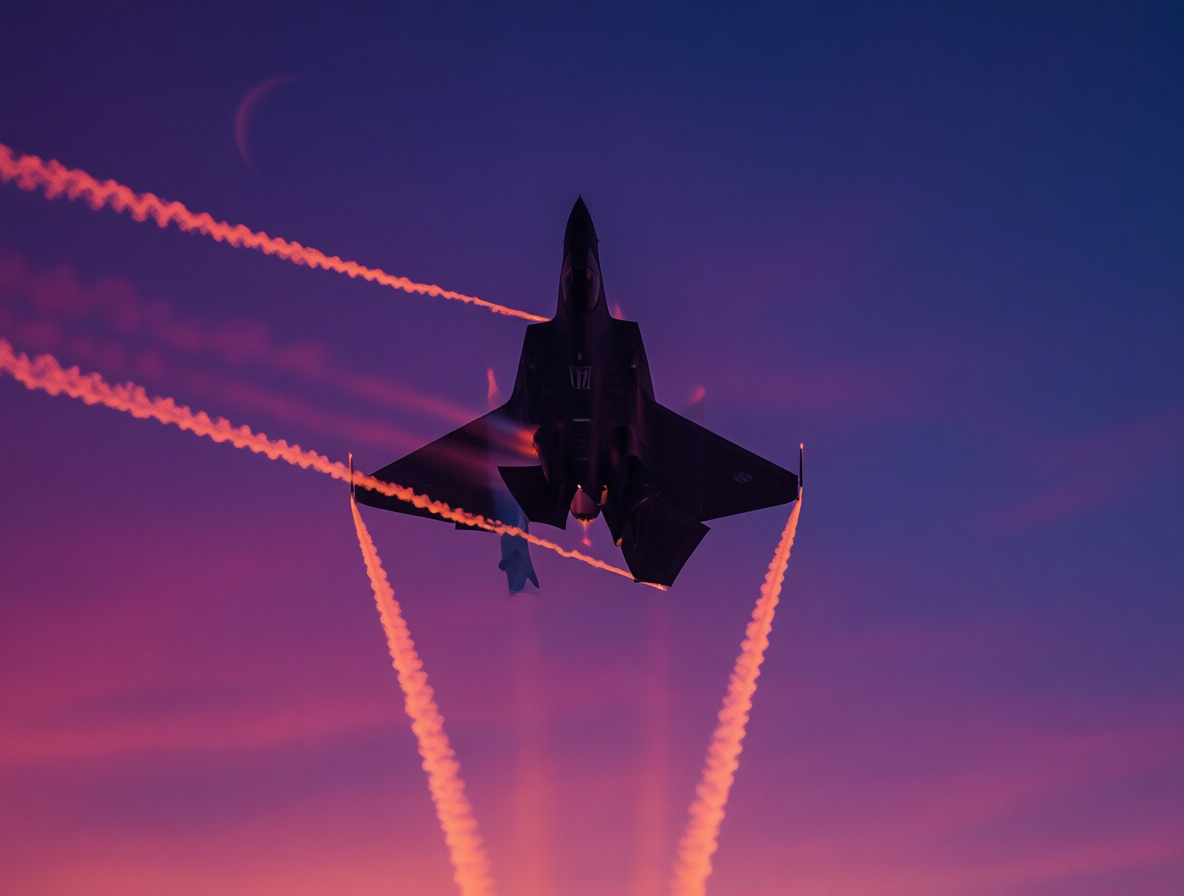
A new Air Force report puts a 1,509-fighter target on the table, and that number is not just a number. It asks planners to compare a 40% F-35 share with F-47s replacing F-22s, creating a fleet-mix puzzle they must resolve. If you have ever had to choose between two big priorities, you know why this feels tense: the choice can set the whole plan.
The same plan reaches into 2035, pushing budget and upkeep choices while a 40% F-35 share and the F-47 replacement role tighten the tradeoffs. The report also frames the 2035 fleet and sets terms for future decisions. That matters because narrow choices can shape tomorrow’s calls, and the people who live with the plan will feel the result.
The Fleet Mix Puzzle Planners Must Solve
The Air Force report sets a 1,509-fighter target, and that number quickly becomes a hard choice about the fleet. Planners have to compare a 40% F-35 share with F-47s replacing F-22s, which turns a clean target into a messy decision. It sounds tidy on paper, but it feels tense because the mix has to be settled and there is no way to avoid the call.
That is the fleet-mix puzzle they must resolve. They are not just counting aircraft; they are deciding what role each part plays and what has to give, and that is where the pressure builds for everyone involved. Here, the squeeze is real and hard to ignore because a decision now shapes the fleet, and the people who carry the plan forward have to live with it.
For anyone watching, the lesson is that a target does not end the debate. It starts a decision that the planners cannot avoid, and that decision can feel heavy because it sets what the fleet is built around. That matters because the final mix becomes the plan, and everyone who depends on it has to live with the result, even when the right answer is not easy.
The 2035 Plan Tightens Every Tradeoff
The 2035 plan pushes budget and upkeep choices toward 1,509 fighters meant for combat. That sounds like a straight line, but it actually tightens the pressure on every choice because money and upkeep are not endless. You can feel the pressure here: if one part grows, another part has to give, and the plan has to absorb that cost without pretending it disappears. No one gets to wave that away.
A 40% F-35 share and the F-47 replacement role put extra weight on those tradeoffs. Those choices mean deciding what to keep, what to protect, and what has to wait, and that is never a clean feeling. That means the plan is not just about aircraft; it is about living with the budget and upkeep consequences and making choices that still hold together when the pressure rises.
For anyone who cares about steady plans, this is the moment to pay attention. The choices can look far away, but they shape what gets support and what gets squeezed, and that can stir worry about missed chances. The takeaway is blunt: the 2035 plan makes the tradeoffs tighter, and the people who carry it out will feel that in every decision they make.
The Report Sets The Terms For Future Decisions
The report frames the 2035 fleet in plain terms: 1,509 fighters meant for combat, a 40% F-35 share, and F-47s replacing F-22s. That framing may sound simple, but it sets the terms for future decisions and gives people a picture to work from. You can feel the pull of it because once a frame like that is set, it starts to shape what feels possible.
Once those terms are set, every later choice has to fit them or argue with them. That is why the report matters beyond one page: it creates a shared starting point, and future decisions will be measured against it. The human consequence is that people can either build on the frame or spend energy fighting it, and either way they cannot ignore it, which can bring relief or tension.
For anyone thinking ahead, the lesson is to watch the frame, not just the headline. The report is setting what the 2035 fleet is supposed to look like, and that shapes what comes next. That matters because chosen terms echo into future decisions, and the people making those calls will feel the weight of this frame every time they choose, so pay attention to the terms.
Conclusion

The report frames the 2035 fleet in clear terms: 1,509 fighters meant for combat, a 40% F-35 share, and F-47s replacing F-22s. That frame does more than describe a plan; it sets the terms for future decisions. It gives people a shared picture to work from, and that can feel steadying or heavy depending on what they hope the future holds.
The practical takeaway is to watch those terms as future choices unfold. The report is not the final word, but it shapes what comes next. If you remember one thing, remember this: the terms chosen now travel into later decisions, and the people making those calls will feel their weight.
What do you think? Does knowing Earth’s “delivery story” change how you feel when you look at the stars?