

 Munzir Hakimi
Table of Contents
Introduction
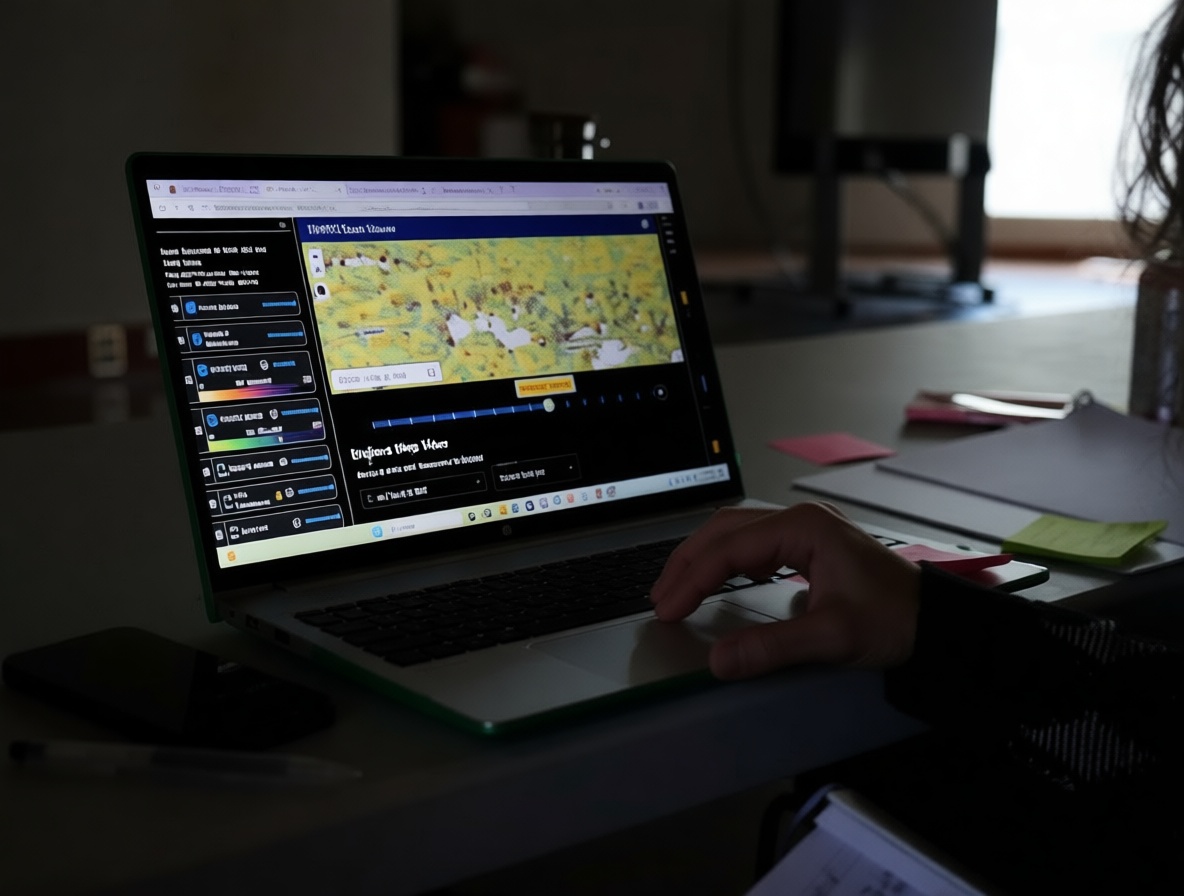
There is something about seeing data about the place you actually live. Numbers on a screen stop feeling like a school exercise and start feeling personal. It’s the difference between reading a map and recognizing your own street.
When a teenager looks at NASA TEMPO air quality data, the first reaction isn’t ‘will this be on the test?’ It’s curiosity about the air in their own neighborhood. That same local data can help families decide whether to open the windows or exercise outside. And it gives educators and teens a way to turn satellite measurements into real investigations. The stakes are simple: data starts mattering at home.
Curiosity Starts With The Air At Home
Hand a teenager NASA’s TEMPO air quality data and something surprising happens: the first thought isn’t about a grade. It’s about the street they walk down every single day, and suddenly a map of pollution becomes a story about their own route to school every morning. The data gets personal before anyone even asks a single question.
That shift matters because teenagers are used to looking at maps and charts that feel distant, but when the data shows the air around their own block outside their house, their brain suddenly asks: ‘What am I breathing right now?’ The consequence is simple: schoolwork becomes personal, and once a student connects a satellite image to the morning walk, that question feels urgent for them in a way a worksheet never can.
A teen might start checking the air before walking to a friend’s house, or wonder why one part of town looks different from another. That curiosity is the real payoff because the data belongs to them; they are no longer just studying the environment, they are wondering what the environment is doing right outside their door. And that may be exactly why the lesson sticks with them in their head long after class ends.
Families Make Daily Choices With Better Evidence
Parents make a hundred small calls every day, from ‘should we open the windows?’ to ‘is it okay to run outside?’ A local air quality reading can make those calls feel less like guesswork. For anyone who has ever stood at a window and wondered, that small piece of evidence is a quiet form of relief before worry has time to grow, and it answers a question before it becomes an argument with yourself.
Instead of relying on a hunch or a hazy sky, families can look at what the air is actually like near home. That knowledge turns worry into a plan—maybe a morning walk instead of an afternoon one, or a window open only after dinner. The decision starts to feel less like a gamble and more like a choice they can stand behind, even when the day looks fine and the sky seems clear; the plan doesn’t have to be complicated, it just needs to be real.
This doesn’t turn parents into scientists overnight. It just means ordinary family decisions, like opening a window or heading out for a jog, can have more solid ground underneath them. And that calm confidence is the real daily gift.
Turning Nasa Satellite Data Into Classroom Investigations
Educators don’t have to ask teenagers to care about science anymore. They can hand them NASA satellite measurements and let the investigation begin right where the students live every day. That changes the whole feel of a classroom, because the questions are real before the lesson even starts, and the data even points to the sky above them.
Instead of reading about air quality in a textbook, students are looking at data from their own region and asking their own questions. The teacher’s role becomes more like a guide than a lecturer, and science starts to look less like a list of facts and more like a process. This is what real-world data can do in a school setting, turning a subject into something students want to participate in.
The shift matters because it gives teenagers a real sense of purpose. They aren’t just absorbing facts; they are doing something with them, and that can change how they see school entirely. Once students start investigating their own surroundings, the classroom becomes a place where discovery happens, not just a place where answers are handed out, and that kind of experience stays with them long after the unit ends.
Conclusion

The real promise of this moment is how it changes the meaning of school science. When educators and teens use NASA satellite measurements to investigate local conditions, the lesson doesn’t end when the bell rings. It lingers because it was about something real, and it turns a NASA map into a starting point for a question, not a final answer.
What makes this different is that students aren’t just studying data. They are learning to ask what the data means for the place they live. That kind of learning lasts well beyond the classroom and becomes part of how they see the world.
What do you think? Does knowing Earth’s “delivery story” change how you feel when you look at the stars?