


 Munzir Hakimi
Table of Contents
Introduction
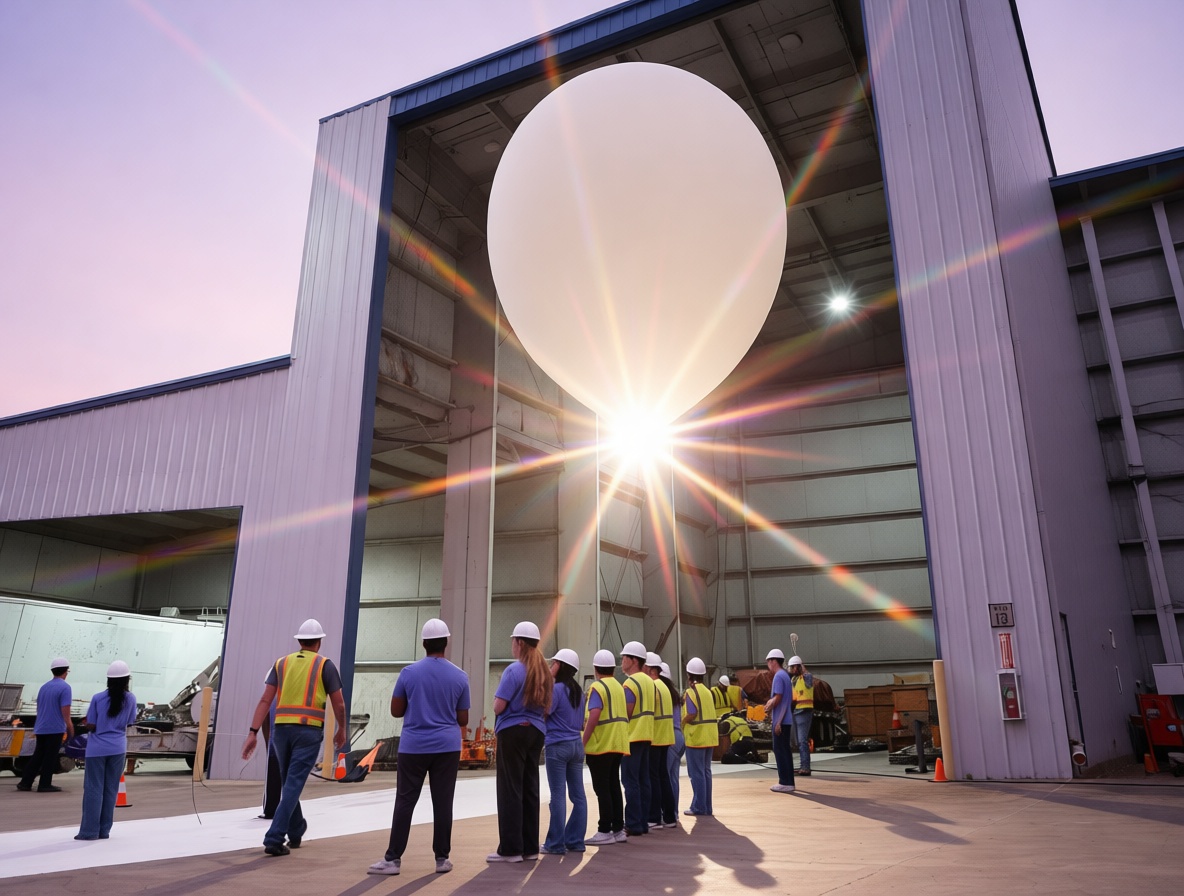
Every spring, something big happens in Palestine, Texas. Louisiana students arrive after months of work, and a NASA balloon lifts their sensors toward the edge of space. It is a moment that feels like relief and wonder mixed together—but getting there costs them class time, sleep, and free time. Now that experience has become so meaningful that students and faculty are reshaping entire semesters around it.
There is a reason so many people keep showing up. The launch is not just a science project; it is a chance to see effort turn into something real. The cost is heavy, but so is the payoff, and that tension is what makes the story worth paying attention to.
The Moment Months Of Work Leave The Ground
Each spring, Palestine, Texas, becomes the backdrop for a moment that feels enormous, especially for the Louisiana students who made the trip. They stand together, look up, and feel months of preparation lift as a NASA balloon carries their sensors toward the edge of space. In those few seconds, all the stress and second-guessing from the past year melts into one bright flash of joy, and every second of planning suddenly feels worth it.
Think of the last time you worked for weeks on something and finally saw it pay off in front of you. This is that same feeling, except the proof floats high above their heads instead of sitting neatly on a desk. Relief, pride, and pure awe all show up at once, and for a moment nothing else in the world matters.
Watching their creation climb turns hard work into proof that they could actually do it, not just in theory but in real life, right in front of everyone. They aren’t just finishing an assignment; they are launching a piece of themselves into the sky. Even after the balloon vanishes from sight, that memory stays with them and quietly changes how they see their own effort.
The Hidden Cost Behind The Countdown
Before the magic of launch day, there are long months when the work feels like a constant drain instead of an adventure. Students spend hours checking sensors, wiring laptops, and testing the payload—the box of instruments that will ride the balloon. That sounds like a fun project, but it often means missing class, losing sleep, and watching free time disappear, and the deadline doesn’t care how tired they are.
There is a lot of pressure to get everything right because a tiny mistake can ruin the whole mission. Students know that one bad wire or one dead battery means months of work might not matter, and that thought follows them everywhere, even when they try to set it aside. It takes over lunch breaks, all weekend plans, and the quiet hours at night when they should be resting.
And yet, most of them keep going because stopping would feel worse than being tired. They skip the movie, say no to the hangout, and run on less sleep because the goal feels bigger than the cost. In those quiet late-night hours, they learn what they’re willing to sacrifice for something they care about, and that lesson sticks long after the launch is over.
A Semester Built Around The Spring Campaign
For a long time, this kind of project felt like an extra burden squeezed into an already full school year. Now that is changing in a big way. Students and faculty across Louisiana are starting to build entire semesters around the annual spring campaign at NASA’s balloon facility, and that quiet shift changes the whole experience.
When teachers can schedule around the campaign, the whole mood shifts from panic to possibility. Students no longer have to beg for deadline extensions or miss a huge event because of a midterm, because the calendar already protects that time. Instead, the balloon launch becomes a fixed point that everything else moves around, like winter break or final exams, and that simple change takes away a lot of the guilt.
Faculty are part of this shift too. They can build lessons, assignments, and class projects around the same timeline, which makes the experience feel less like a side project and more like an education in itself. For students, that recognition changes the entire story: what once felt like a conflict now looks like a smart choice, and it turns a stressful season into something they can actually plan for from the first day of class.
Conclusion

When a school builds a whole semester around one event, it says that event matters. It says the work students do is not a side task; it is the main lesson. That kind of respect changes how students feel about showing up—not because they have to, but because their time and effort are honored.
The bigger message is simple: the things we make room for are the things we value. If Louisiana schools are building their calendars around this balloon campaign, it is because the experience teaches something no textbook can. We can all take that thought with us and ask what deserves that kind of space in our own lives.
What do you think? Does knowing Earth’s “delivery story” change how you feel when you look at the stars?


