


 Munzir Hakimi
Table of Contents
Introduction
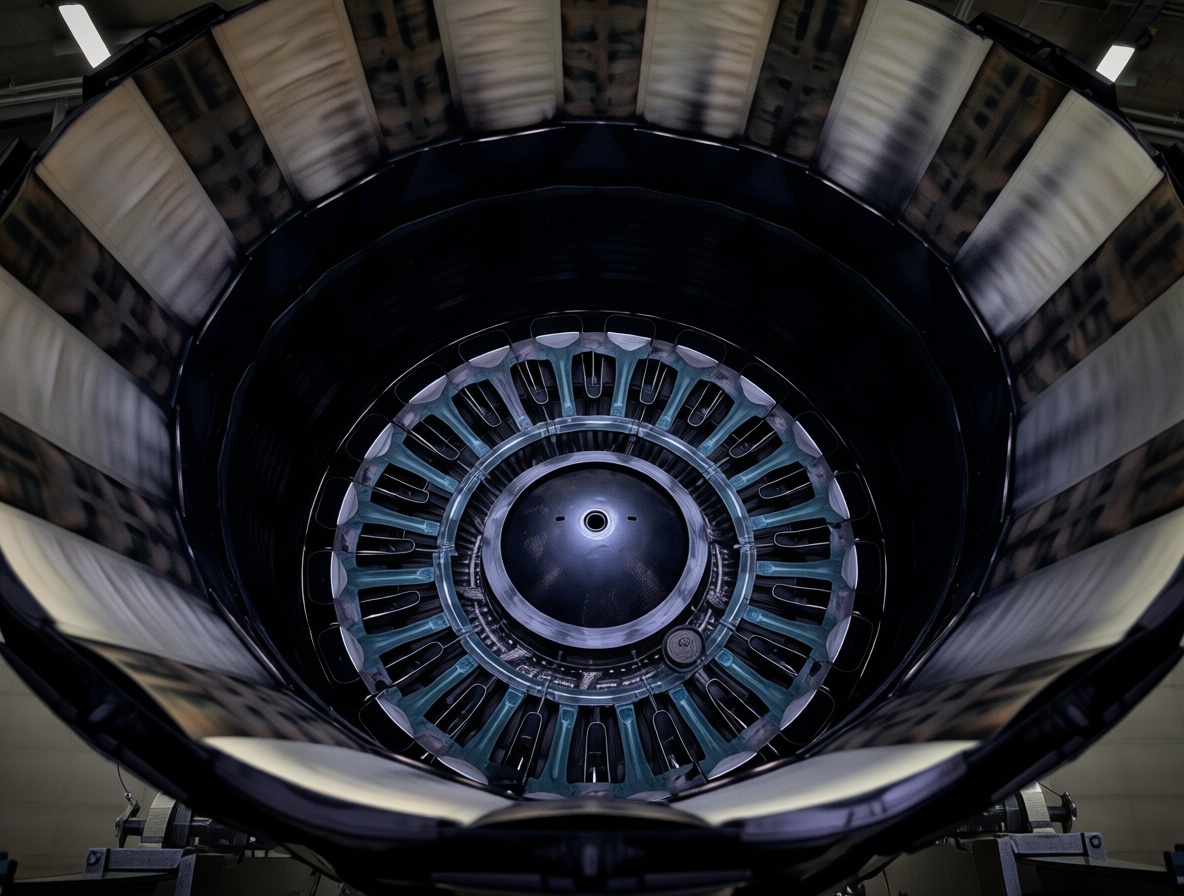
There’s a moment in every jet engine factory when the line just stops. A missing part, a skipped delivery, or a batch that doesn’t arrive—and everyone involved is holding their breath. The pause is short, but the worry isn’t. No one wants to be the first to say the plan has changed.
That single stall sets off a chain reaction. Inspectors double-check their work, maintenance schedules move, budgets stretch, and commanders decide which pilots get a ready jet. It’s not just about bolts and blueprints; it’s about people waiting, choosing, and hoping. This is what happens before a combat-ready jet ever leaves the ground, and it explains why a stalled line can change everything.
When Missing Parts Stall The Line
Picture a busy assembly line moving fast, with mechanics fitting each piece like clockwork. Then one needed part doesn’t show up, and the whole line freezes as every second sits heavy. The quiet worry spreads quickly, and for quality-control inspectors, the pressure suddenly becomes personal.
Their job is to sign off on every engine before it moves forward, so they can’t just stand around when things stop. They feel the pressure to recheck every single stage, even ones they already cleared hours ago, because even a small oversight could turn a temporary pause into a much longer one. It’s not that they mistrust their own work—it’s that a stall makes everyone nervous, and checking becomes their only control.
Here’s the human part: nobody wants to be the reason a bad engine moves ahead, so they slow down, look closer, and start over from the top. It’s a lot like waiting for a missing ingredient during a big family meal—you can’t cook the main dish, so you start rearranging the kitchen and checking the oven, hoping the wait feels useful. But these inspectors carry a heavier weight, because a jet engine can’t be fixed with a quick store run, and that kind of slow, careful checking stays with them long after the shift ends.
When Engine Delays Force Hard Choices
When engines show up late, the trouble spreads fast, and nobody likes telling a pilot they have to wait. Maintenance schedules slip, defense budgets stretch, and base commanders suddenly have to decide which flights get the few ready aircraft first, all while the clock keeps ticking. It’s a waiting game with real winners and losers.
Imagine leading a fleet where every pilot needs a jet, but only a handful are ready at sunrise. You make a list, juggle priorities, and know that someone will be grounded while another flight gets the green light, all while time runs out. There is no perfect answer, only less painful ones, and that strain never really lifts because wrong calls affect safety and trust; every choice leaves a mark.
And the money side stings too, because there’s no easy way to say not today. Rushed repairs, overtime, and shifted resources stretch defense budgets, making commanders double-check every expense. If you’ve ever watched a manager seat a crowded restaurant, you know the awkwardness of choosing one group over another—but here the stakes are much higher, because every grounded jet touches a real mission, and the people waiting for those jets feel the delay in very personal ways.
New Plans For A Tighter Engine Supply
When engine supply gets tight, the people who build jets and the people who fly them have to adapt fast. The builders start looking for new suppliers and checking their work more often, because an empty delivery slot makes them question things they used to trust. The Air Force, in turn, may have to review and update its readiness standards under these tighter conditions, and that’s when flexibility becomes survival.
Think of a small renovation crew that planned to finish a room, then hits a shortage of drywall. They don’t abandon the project—they change the order, inspect what’s already installed, and talk to new suppliers. That’s exactly what manufacturers are doing, only the drywall is a jet engine part and the room is a combat-ready aircraft, so every decision carries more weight and no move feels routine.
The real consequence is that everyone has to live with uncertainty, and that feeling doesn’t fade quickly. Old readiness benchmarks might not fit anymore, and leaders have to decide what still counts when engines are scarce, which means the definition of being ready can shift from month to month. For anyone paying attention, readiness becomes a moving target, and the choices made today will shape how quickly jets can answer the call tomorrow.
Conclusion

There’s no clean fix when engine supply tightens, and old benchmarks no longer feel solid. Manufacturers adjust their sourcing, while the Air Force rethinks what readiness means under the new constraints. Flexibility becomes the quiet engine behind readiness.
For the rest of us, this is a reminder that plans can shift without falling apart. When the world gets tighter, smart people don’t dig in—they rethink, readjust, and recalibrate. You can carry that idea with you the next time your own plans hit a supply delay, a schedule change, or an unexpected shortage, because adapting isn’t giving up—it’s how things keep moving.
What do you think? Does knowing Earth’s “delivery story” change how you feel when you look at the stars?