


 Munzir Hakimi
Table of Contents
Introduction
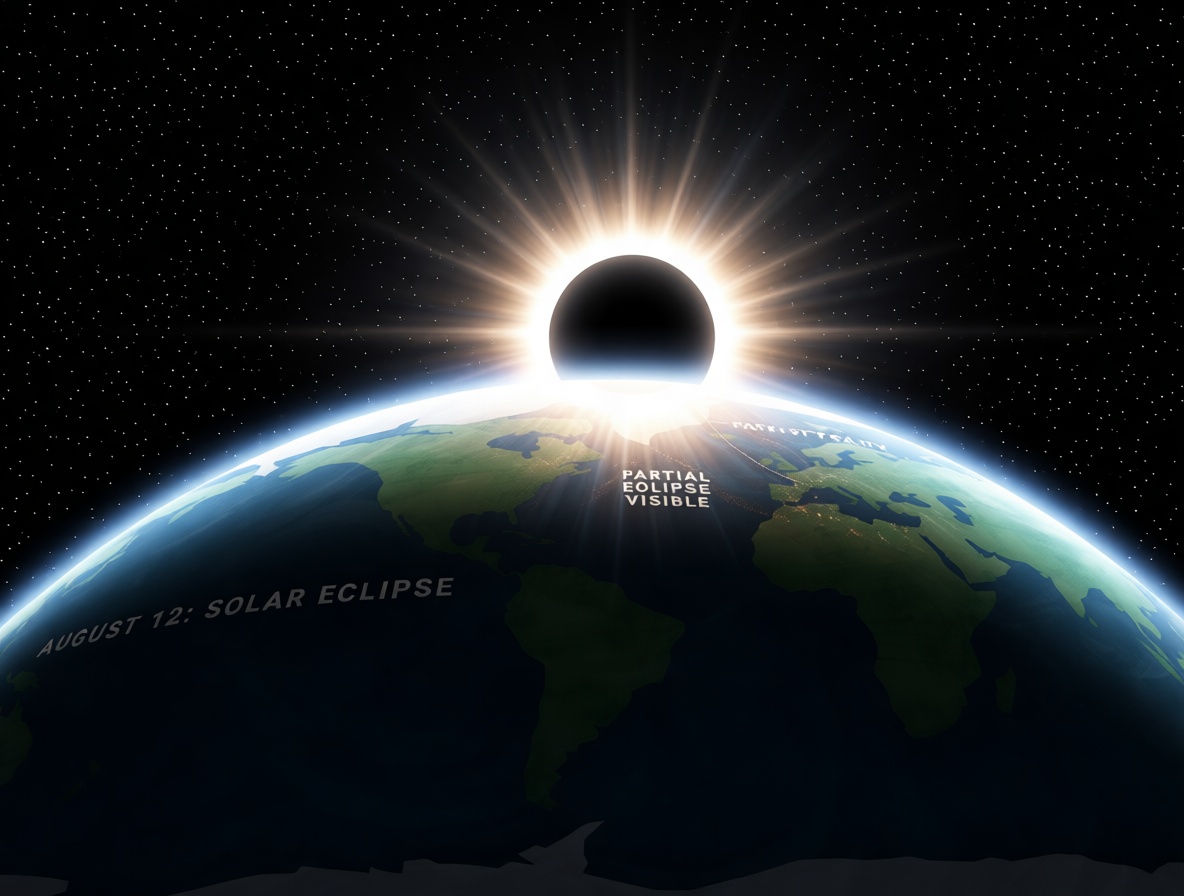
August has a way of pulling your gaze upward. The evenings feel longer, warmer, and full of small surprises. You don’t schedule wonder. It just finds you when you step outside and glance at the sky. Maybe you’ve already felt that pull and weren’t sure why.
Here’s what’s happening: meteors are crossing overhead, sky events are stacking up on the calendar, and the excitement of upcoming eclipses is starting to spread. That means your usual evening plan might need a little bend. But that’s okay—because the sky offers something worth your attention. You don’t need a reason, but the sky is giving you several.
Counting Meteors Before They Vanish
There is a particular feeling when a Perseid finally appears in August, and it hits you right in the middle of an ordinary night. You are outside with your neck tilted, eyes scanning the dark, trying to catch a streak before it disappears. Then a thin line of light cuts across the sky and vanishes so fast that you almost question whether it was really there.
That flash is why people get hooked. You start counting each meteor like it’s a small victory, because every one feels like something the sky almost kept to itself. The briefness is what makes it powerful; you have to pay attention, or you’ll miss the whole show, and when you do catch a bright one, you’ll feel a rush that has nothing to do with the day’s worries.
You don’t need a detailed plan for this. You just need to find a patch of sky, give it a few minutes, and let your neck do the work. That kind of waiting actually feels good, because it pulls your mind away from the day and turns an ordinary moment into something you’ll remember—one little flash is enough to remind you that looking up is always worth it.
Bending Your Evening Around Clear-sky Moments
If your evenings are already packed, August can feel like a waiting game, especially when you’re just trying to get through a normal day. The calendar stacks one sky event after another, and none of them wait for you to finish dinner, wrap up bedtime, or close your laptop. It’s a lot to juggle, especially when all you want is a calm night, but clear-sky moments will sometimes set the schedule.
It’s normal to feel annoyed by an unpredictable evening, because you’ve built routines for a reason. But the ones who bend their schedule are the ones who actually see the show, and the wait becomes part of the experience. If you push dinner to a different time, let bedtime slide, or save late work for tomorrow, you trade a small hassle for a night you won’t forget—and the routine will still be there the next day.
The change doesn’t have to be dramatic, and it doesn’t have to happen every night. Maybe dinner happens a little earlier, bedtime gets shortened, and one late task waits until morning. Then you step outside, look up, and realize why every adjustment was worth it, because you’ll remember that clear-sky moment long after the ordinary evening details fade.
Marking Calendars As The Eclipses Approach
There’s a new energy building around the night sky, and it’s starting to feel contagious. As the solar eclipse and lunar eclipse get closer, more people than usual are pulling out their calendars, setting alerts, and talking about where they want to be. It’s no longer just a quiet interest—it’s becoming a shared plan, and that changes the way the whole event feels.
That shift matters more than you might think, because anticipation is half the experience. When you trade skywatching plans with someone, you’re not just choosing a time and place. You’re making a small promise to share something amazing; that promise gives you both something to look forward to long before the sky does its part, and once you’re in that exchange, the waiting becomes a shared excitement.
Soon you’ll have a date circled on your calendar and a message thread buzzing with ideas about where to go. The solar eclipse and lunar eclipse will bring people outside together, maybe in a backyard, a park, or just a quiet spot with a clear view. Those plans may seem small at first, but they turn a distant event into something personal—a night you’ll actually remember, with people you’ll be glad you shared it with, and maybe a spot you suggested yourself.
Conclusion

As the solar eclipse and lunar eclipse approach, your calendar doesn’t have to be just a list of ordinary days. A marked date, a set alert, or a saved plan turns a distant event into something you’re part of. That’s the quiet magic of planning: attention makes the moment matter. The night will come and go, but the fact that you cared enough to plan for it will stay.
So keep the date marked. Tell someone where you’ll be. When the sky finally does its part, you’ll be ready—and you’ll already be connected to the people waiting beside you. You won’t just be watching an eclipse; you’ll be keeping a promise you made to yourself and to someone else.
What do you think? Does knowing Earth’s “delivery story” change how you feel when you look at the stars?