


 Munzir Hakimi
Table of Contents
Introduction
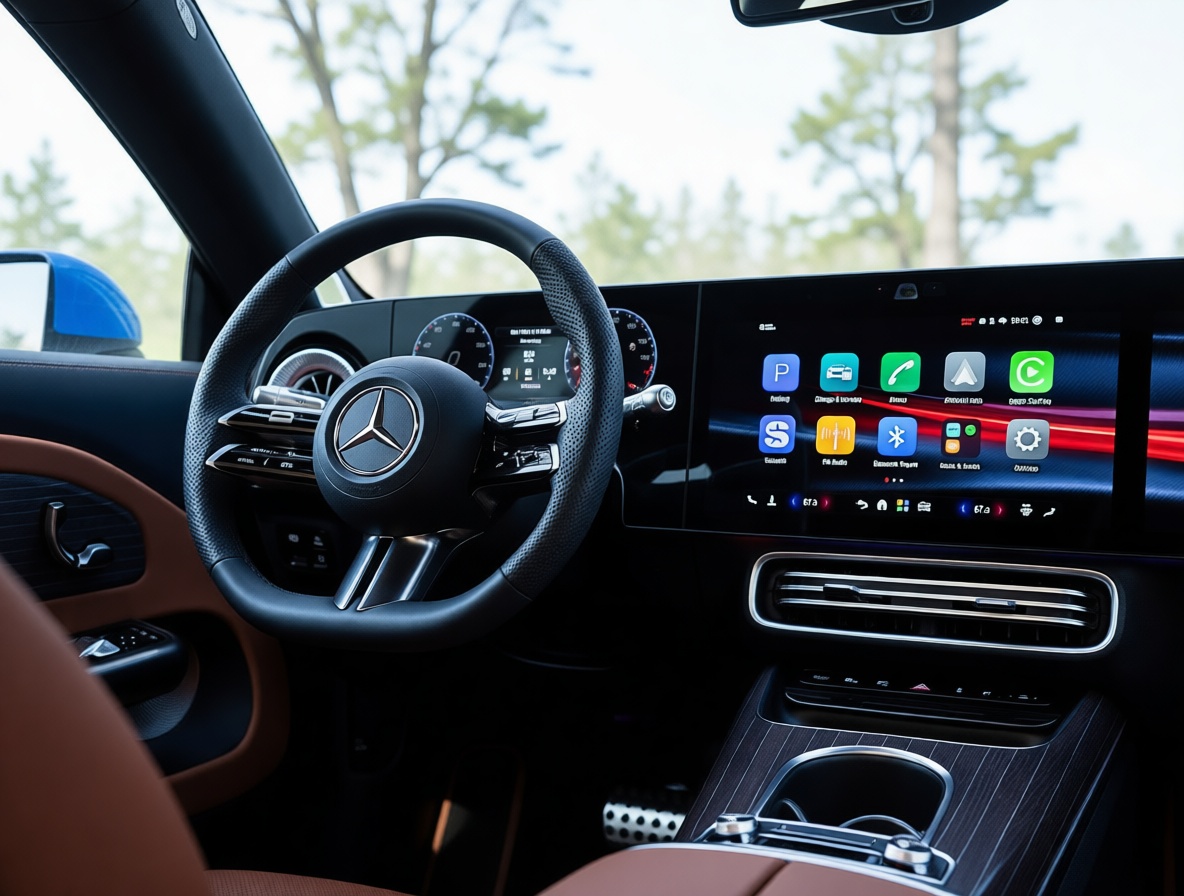
Picture this: you’re driving down the road and you just want to adjust something simple. You reach for a physical button that used to be there, but now the controls are buried inside a touchscreen menu. Your hand hovers, your eyes leave the road, and a tiny task starts to feel like a puzzle. Mercedes made that trade, and drivers lived with the frustration and distraction of it every day.
The company now admits it chased technology for the sake of technology. Its CEO says Mercedes is bringing back the most sensible buttons. That shift is worth paying attention to because it’s really about your time, focus, and calm and what a car gets to take from you.
The Moment A Simple Control Goes Missing
There is a specific kind of frustration when you reach for a control and it isn’t there. Mercedes used to give drivers physical buttons for basic things, then replaced them with digital menus, and the result is simple: you aren’t making an adjustment anymore—you’re searching for it, which turns a tiny task into a little journey. That search pulls your eyes from the road, pushes your patience to the edge, and makes you wonder why something so easy became so hard.
That moment matters because it changes how you feel about driving. Instead of feeling confident and in control, you feel annoyed and distracted, and a car that should feel like a safe space starts to feel like a test of your nerves. The act of changing a setting should be automatic, not a guessing game that makes your heart beat a little faster and your grip on the wheel a little tighter.
You’re on a highway with traffic around, you want to make one small adjustment, and suddenly you’re digging through layers of menus while trying to keep your eyes on what matters. Every second spent searching is a second not spent watching the road, and the stress of that moment stays with you long after the screen changes. The car you once trusted starts to feel less like an ally and more like an obstacle, and that feeling doesn’t disappear when the trip ends.
Small Delays On Every Daily Drive
Your daily commute already asks for a lot: traffic, timing, patience. The last thing you need is a fight with your own dashboard just to turn up the heat or skip a song, especially when climate and audio controls are hidden inside touchscreen menus. A simple adjustment stops being simple and becomes a multi-step decision that demands more from your brain than it should, and every extra tap adds a little friction that over weeks and months becomes part of how you feel about the car itself.
It sounds tiny, but those extra seconds are exactly when you feel it. You’re half-focused on the road, half-focused on remembering which menu holds the fan control, and the car stops feeling like it’s on your side when you need it most. Instead of one smooth gesture, you get a chain of choices, and every choice eats away at your attention until the drive feels less like a break and more like a chore.
The consequence is a commute that feels more like work. What used to be a quick adjustment now interrupts your rhythm, leaves you less patient when you finally park, and makes you wonder why a car meant to simplify life is adding extra decisions to your morning. You don’t notice the cost at any single moment, but you feel it in your mood, your focus, and your quiet relief when the drive is over.
The Return Of Sensible Buttons
Finally, someone inside a car company says what drivers have been feeling all along. Mercedes CEO Ola Källenius admits the brand went after technology for the sake of technology, not for the sake of the people who actually sit behind the wheel and live with those choices every day. That kind of honesty is rare, and it lands like a relief because it means the problem was named out loud instead of being ignored.
He says Mercedes is now bringing back ‘the most sensible buttons’ after realizing that people need tools that fit real life. That phrase matters because it doesn’t reject technology completely—it just puts usefulness first. A control should be where you expect it, work the way your hand remembers, and get out of your way when you don’t need it, so the car feels less like a complicated gadget and more like a helpful companion in everyday driving.
The real impact is personal. If Mercedes is willing to admit it chased the wrong thing, it tells you that your irritation was valid and that your comfort behind the wheel is worth protecting. You deserve a machine that respects your attention, your time, and your energy, and this change is a promise that those things matter again, so the next time you choose a car you can ask whether a feature actually helps you in your real life or just looks interesting.
Conclusion

Ola Källenius’s words are a reminder that progress shouldn’t be a performance. When a company admits it chased technology for the sake of technology, it gives you permission to expect more from the tools you use. You don’t need a car to amaze you every time; you need it to make sense, to feel like it’s on your side.
Next time you choose a car, ask yourself one honest question: does this help me or does this just look advanced? The return of sensible buttons is an invitation to value your own time and attention again, because a machine that respects you makes every drive calmer. You deserve a car that works with you, not one you have to work to understand.
What do you think? Does knowing Earth’s “delivery story” change how you feel when you look at the stars?