


 Munzir Hakimi
Table of Contents
Introduction
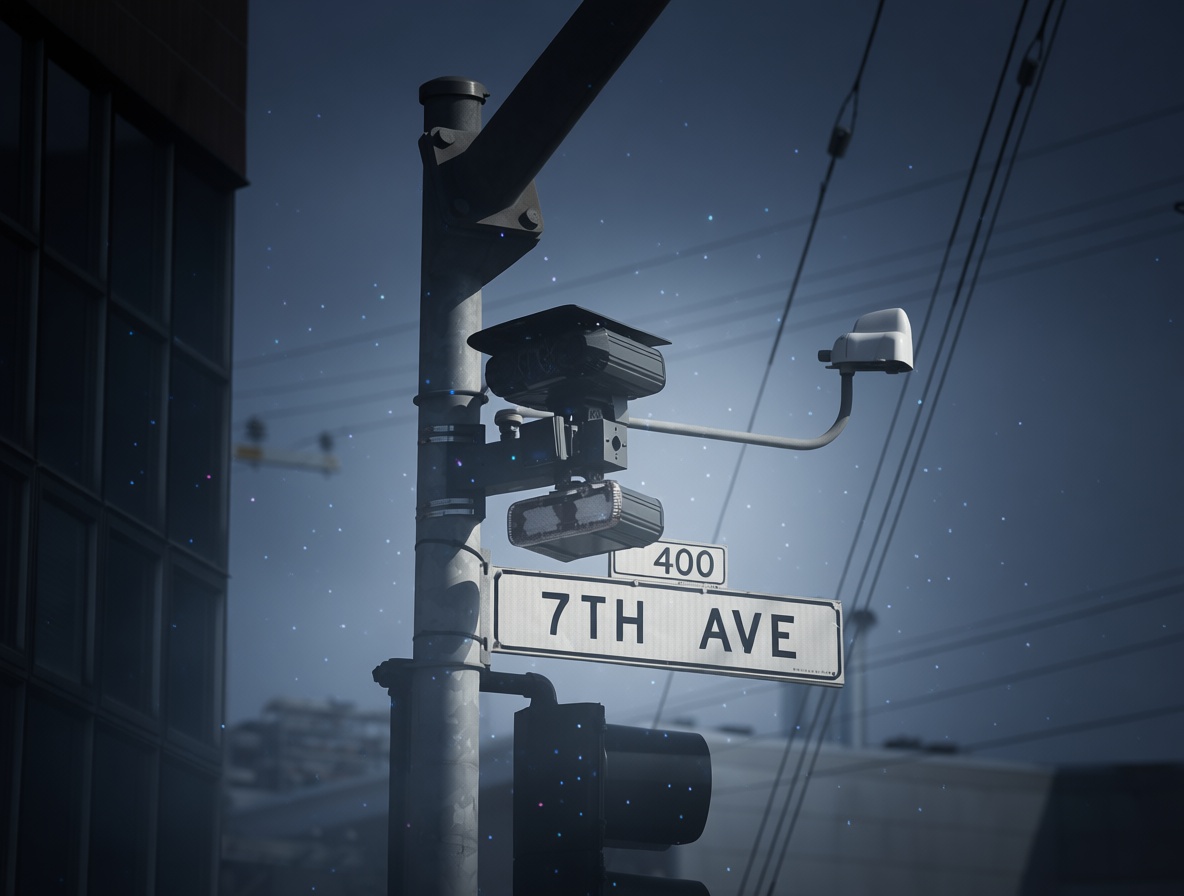
Imagine seeing a camera clock your car at 11 mph over the limit, then getting a warning instead of a $50 fine. That small relief can still come with a mailbox deadline hanging near, and that mix of relief and worry is exactly what drivers now face.
On routine Los Angeles routes, the choice is simple and stressful: slow below 11 mph over the limit, or risk a fine that starts at $50 and can climb toward $500. With 25 of 125 planned cameras warning first, you may brake earlier near a camera—and one small choice can protect your wallet.
The Warning That Replaces A Fifty Dollar Fine
You glance up and see a speed camera clock your car at 11 mph over the limit. Your stomach drops for a second—then a warning appears instead of a $50 fine. That first burst of relief makes sense, because the moment felt like real money slipping away from your pocket, and your body reacts before your brain catches up.
But a warning does not erase the pressure. The mailbox deadline can still feel near, so you may keep checking the mail and wondering if something official is waiting for you. That quiet stress matters because it can follow you into the car and make every drive feel a little less easy and a little more tense, even when you know you got a warning instead of a fine.
Picture driving the same stretch tomorrow and easing off the gas just before the camera. You are not trying to be perfect; you are trying to avoid that sick feeling of a near miss. The warning may spare you $50 today, but the deadline worry can still make you rethink your speed and your peace of mind on the next trip, and that can change how you drive tomorrow.
The New Money Decision On Routine La Routes
You are driving a familiar LA route, and suddenly the speed limit asks you a money question. Slow below 11 mph over the limit, or risk a $50 starting fine that can climb toward $500. That choice can feel heavy, because it is not just about speed anymore; it is about protecting your budget and deciding how much risk you are willing to carry before you even reach your destination.
The scary part is how fast a small habit can turn into a big bill. If you usually drive a little over, you now have to rethink that habit on every routine trip. That matters because a fine that starts at $50 can grow toward $500, and that kind of money can change your week, your plans, and your mood more than you expected.
So you may brake earlier, ease off the gas, and do the math in your head. You are not trying to be dramatic; you are trying to avoid a bill you cannot easily shake. That is the real cost of the decision: every familiar drive can start to feel like a small test of your wallet, your attention, and your patience, even when you know the route by heart.
Cameras That Warn Before Mailed Tickets
Right now, 25 of 125 planned LA cameras are warning first. That means you may spot the camera and brake a little earlier than you used to, even before the real tickets start arriving. That small jolt of caution can feel annoying, but it can also keep you from getting a mailed ticket up to $500.
The city is preparing mailed tickets up to $500, so the warning phase can feel like a countdown. You might not know exactly when a warning turns into a ticket, and that uncertainty can make you more careful. That matters because braking earlier near a camera is a tiny choice that can protect you from a much bigger money hit and shape your daily routine in small but real ways.
So if you drive near one of those LA cameras, you may start watching your speed more closely. It is not about being scared of every camera; it is about avoiding a mailed ticket you never saw coming. That one habit can change how you drive now, while the city gets ready for tickets up to $500 later, and that is a real reason to ease off the gas on your next drive.
Conclusion

For now, 25 of 125 planned LA cameras are warning first, which gives you a small chance to brake earlier and avoid a mailed ticket up to $500. That warning phase can feel like a gentle nudge, but it is also a clear reminder that your everyday speed has a real price. The choice to ease off the gas now can protect your wallet later.
So when you pass one of those cameras, treat the warning for what it is: a chance to slow down before tickets start arriving. You do not need to panic; you just need to notice the choice in front of you. The city is preparing mailed tickets up to $500, and braking earlier now can keep that worry out of your mailbox later.
What do you think? Does knowing Earth’s “delivery story” change how you feel when you look at the stars?