


 Munzir Hakimi
Table of Contents
Introduction
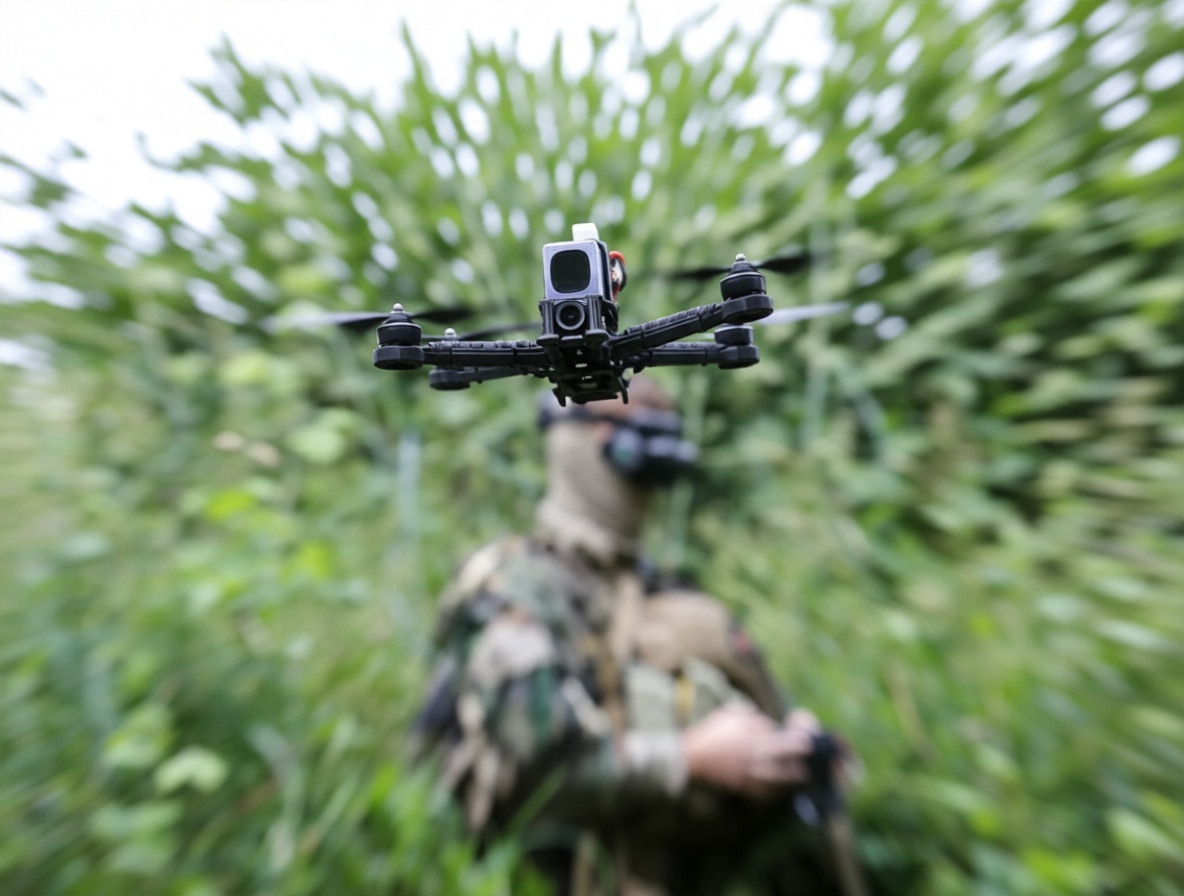
One day Cpl. Igor is lining up a 105 mm gun sight with his eyes and hands. The next, he is looking through FPV goggles and holding a handheld controller. That swap sounds small from the outside. For him, it changes what his eyes and hands do every single day.
This year brings a new job, retraining time, and a different daily routine for the gunner. The same AMX 10 RC now asks for a different control skill. In France, that turnaround is visible in a gunner’s hands moving from cannon controls to a controller and goggles. The real question is simple: how fast can a person change when the tools in his hands change first?
A Gunner’s Eyes And Hands Change
Cpl. Igor trades a 105 mm gun sight on the AMX 10 RC for FPV goggles and a handheld controller. It is not just a gear swap, because his eyes and hands get new jobs and the change shows up in how he stands, reaches, and looks. That can feel unsettling when your hands know one set of moves and the vehicle around you has not changed.
The sight asked his eyes to look one way, while the goggles and controller ask something different. He has to notice what his hands are doing instead of letting them follow the old motion, and the small daily actions change first. That mismatch feels personal, like a habit that will not let go, so he has to be patient until the new motion stops feeling strange.
Picture reaching for the old motion out of habit and catching yourself right away, because that pause shows the change is real. His hands are learning a new normal, one small move at a time. The payoff is simple: he can still work with the AMX 10 RC, even though he cannot coast on memory alone, and that means he has to stay aware in the moment each day.
A New Job Brings Retraining And A New Routine
A new job this year means Cpl. Igor has to go through retraining time, and that sounds like a schedule change. It feels like starting over in small ways, because the same vehicle now asks for a different control skill. The change is not only on paper; it shows up in how he spends his time, where his focus goes, and what his days feel like.
His daily routine shifts around that learning, and what used to be automatic now needs attention. He may have to think through steps that used to feel natural, which slows the day down and makes simple tasks take more effort. The workday looks different now because he needs time to catch up with what the job asks, and that can be frustrating when he wants to be useful right away.
The human consequence is practical: he has to make room for retraining, and that choice affects his days, his energy, and his sense of progress. Patience becomes part of the job, not a nice extra, while his place in the same vehicle is rebuilt one routine at a time. That can feel humbling, but it gives him a clear path: keep showing up, keep learning, and let the routine settle.
Turnaround Shows In A Gunner’s Hands
France’s turnaround shows up in a surprisingly quiet place: a gunner’s hands moving from cannon controls to a handheld controller and FPV goggles on the same AMX 10 RC. That contrast is the story, because it makes change visible right there, and the same vehicle stays in view while the way it is used shifts. You can see it plainly, because the body tells the truth before the words do.
The vehicle has not been swapped out, but the hands have learned a new path. The same machine meets a different person, or at least a person using different motions and attention. For anyone watching, that is a reason for wonder: big change can look like one small motion repeated, and that gap between old controls and new controls is where the turnaround becomes real.
The practical outcome is easy to feel, because what was once done through cannon controls is now done through a controller and goggles. The gunner’s hands carry the turnaround, and that means the change is not abstract. It is in the grip, the reach, and the focus of an ordinary workday, and the same vehicle can carry a different kind of skill without becoming a different vehicle, even as the gunner’s day is still made of hands and eyes arranged in a new way.
Conclusion

France’s turnaround is easy to miss if you look only at the vehicle. Look at the gunner’s hands instead. They move from cannon controls to a handheld controller and FPV goggles on the same AMX 10 RC. That small move carries the whole change, and it gives you something to hold on to: big shifts often show up in the body first.
The takeaway is personal. When something around you changes, watch what your hands have to learn. The turnaround is real when your grip changes. That simple sign can help you spot change in your own work and take it one motion at a time.
What do you think? Does knowing Earth’s “delivery story” change how you feel when you look at the stars?