


 Munzir Hakimi
Table of Contents
Introduction
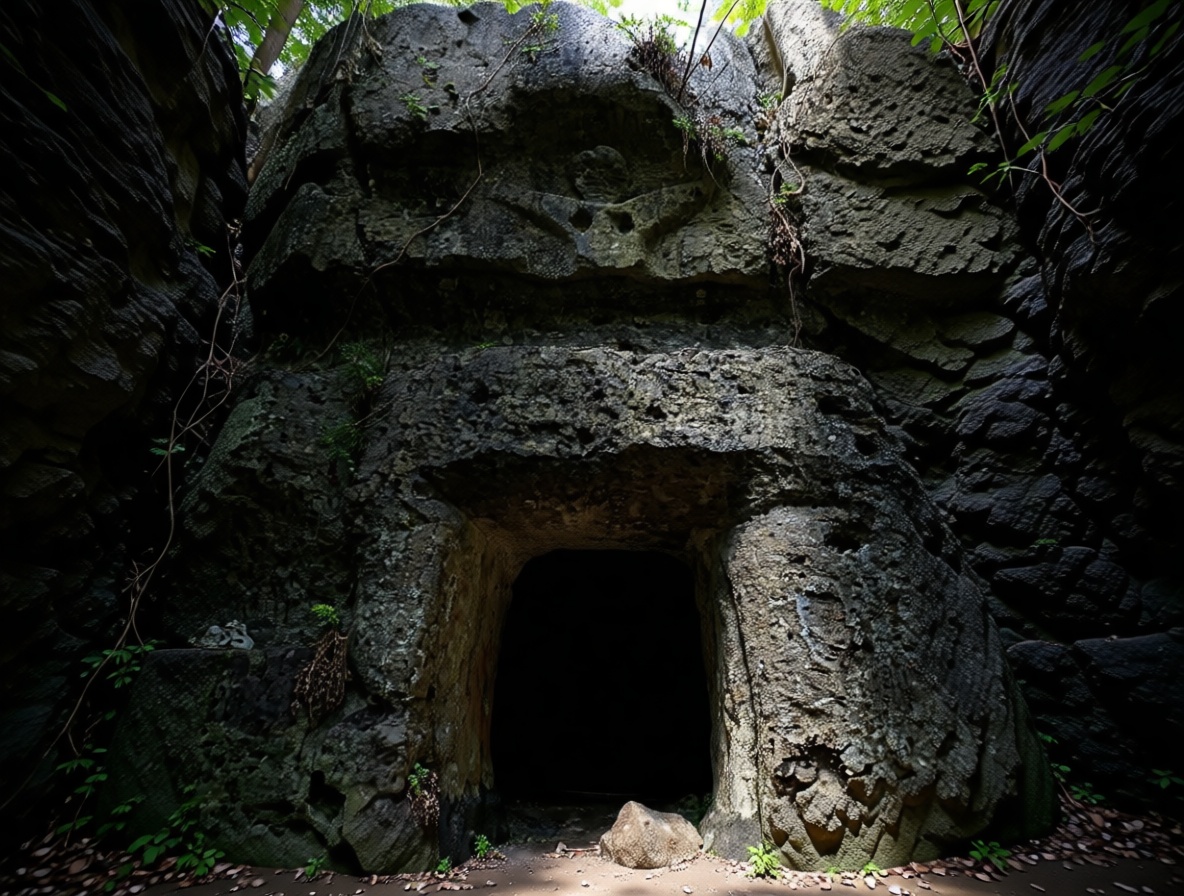
Imagine opening a tomb that’s been sealed for over a thousand years and finding the colors inside still look fresh. That’s exactly what researchers in Kyushu, Japan, stumbled upon—and it’s making them rethink everything they knew about ancient craftsmanship. What started as a routine study turned into a mystery that could change how we see the past, and more importantly, how we protect it today.
The paintings weren’t just preserved by luck. Scientists now believe the people who made them used a special coating—a kind of ancient recipe that kept the colors vibrant for centuries. This discovery doesn’t just rewrite history books; it forces us to ask hard questions about how we care for cultural treasures and whether we’ve lost knowledge our ancestors once had. The practical stakes? How we restore these murals, how much money we spend, and even what we think ancient societies were capable of.
A Surprising Discovery In Ancient Pigments
When researchers first scraped off tiny samples from the Kyushu tomb walls, they expected to find simple minerals or plant-based dyes. Instead, they hit something far stranger: a complex organic mixture that shouldn’t have survived that long. For a moment, the team just stared at their data—this was a total curveball that changes how we view ancient Japanese science.
Here’s why that matters to you: if ancient people were already mixing sophisticated binders to protect their art, it means they understood chemistry in ways we never gave them credit for. Think about your own hobbies—maybe you paint, cook, or build things. When you stumble on a trick that works perfectly, you feel a little smarter. Now imagine that trick lasting twelve centuries. That’s the kind of awe these researchers felt, and it forces us to respect the ingenuity of the past.
The practical consequence? Every time you see an old painting or a faded mural, you might wonder: what if the original maker had a secret recipe we can’t figure out? It changes your relationship with history from passive observer to curious detective.
The Challenge For Modern Conservationists
This discovery isn’t just a cool fact—it’s a headache for the people tasked with saving these murals. If the original binder is truly unique, then replicating it becomes a major problem. You can’t just slap on any modern glue and hope for the best. That means restorers have to spend extra time and money figuring out what that ancient blend was, and even then they might never get it right.
For us, the public, this hits home because restoration budgets are limited. Every dollar spent on researching a mysterious binder is a dollar not spent on other projects—like preserving a local museum piece or a historic building. It’s a tough choice: do we pour resources into one ancient tomb, or spread them thin across many sites? The emotional weight here is real—we want to honor the past, but we also have to live in the present. Feeling torn is normal when you realize that our best intentions might not be enough.
So what does that mean for your life? Next time you see a restoration announcement, you’ll understand the hidden struggle. It’s not just about cleaning dirt; it’s about decoding a lost language of materials, and sometimes that language is so foreign we can’t translate it without giving up something else.
Rewriting The History Of Ancient Technology
Now that Kyushu has thrown this curveball, experts are looking at other East Asian tomb paintings with fresh eyes. Art historians and chemists are scouring ancient sites for similar binder traces, hoping to find patterns. They want to know: was this a one-off lucky recipe, or part of a widespread technique used across the region? The answers could rewrite the timeline of advanced adhesive technology in ancient societies.
Why should you care? Because it changes the story we tell ourselves about human progress. We tend to imagine that ancient people were simpler, less skilled. But if they had sophisticated binders that we still can’t fully recreate, then our ancestors were far more clever than we assume. That’s a humbling thought—and an inspiring one. It makes you wonder what other knowledge has been lost to time, and what we might rediscover if we keep looking.
On a personal level, this discovery invites you to question the narratives you’ve heard. Maybe that old family recipe isn’t just tradition—maybe it’s a piece of lost science. The emotional takeaway is a mix of wonder and curiosity: we are not the first innovators, and sometimes the past holds secrets that can still surprise us.
Conclusion

So what does all this mean for you, sitting here today? It means that history is not a closed book—it’s full of hidden chapters waiting to be opened. The Kyushu murals remind us that ancient people were brilliant problem-solvers, and their inventions can still make us stop and stare. That sense of wonder is something you can carry into your own life, whether you’re fixing a leaky faucet or mixing colors for a painting.
The next time you see an old artifact or a faded photograph, don’t just see decay. See a possibility. There might be a smarter way hiding in the past—something our ancestors knew that we’ve forgotten. And maybe, just maybe, that knowledge is still out there, waiting for the right curious person to find it again.
What do you think? Does knowing Earth’s “delivery story” change how you feel when you look at the stars?