


 Munzir Hakimi
Table of Contents
Introduction
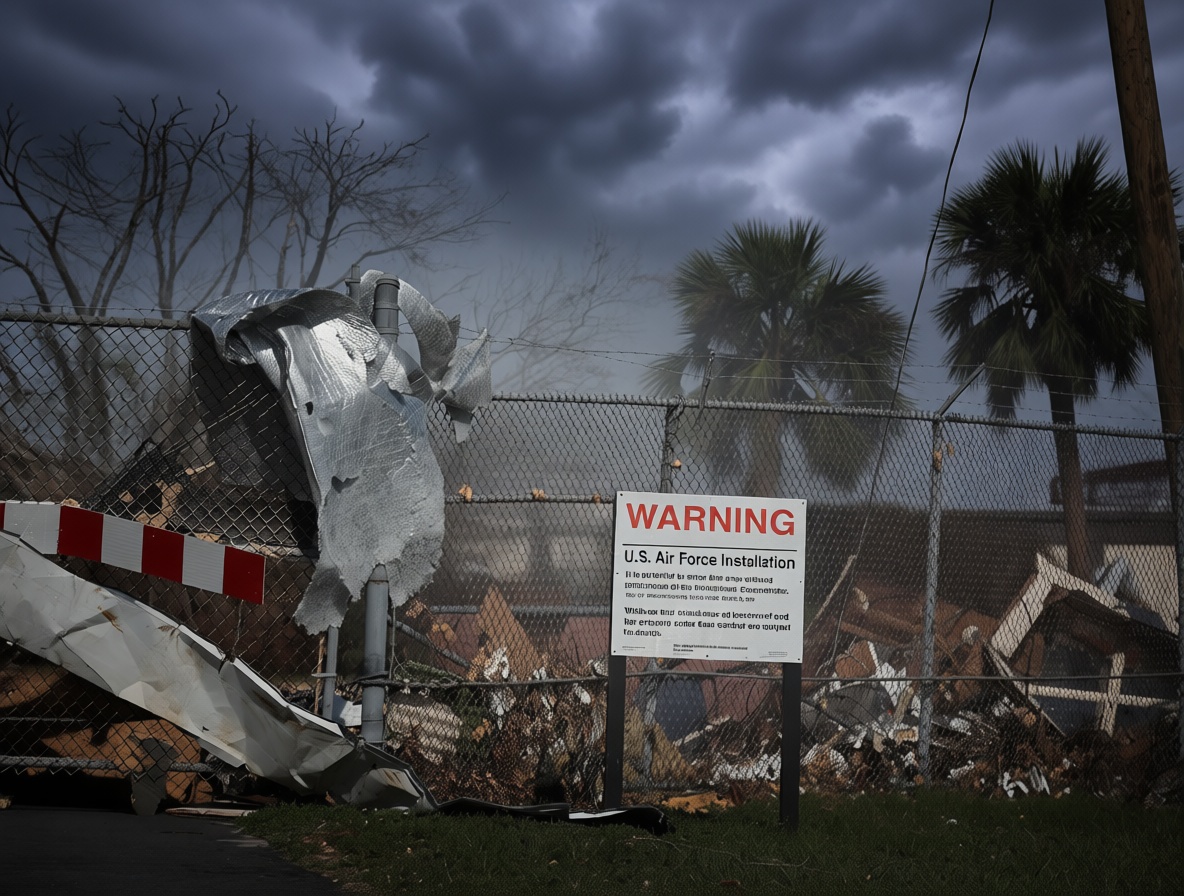
A weather forecast doesn’t usually feel like a lifeline. But the 2026 El Nino prediction is different. For military commanders, it flips the script from panic to planning, giving them months to get ready instead of scrambling at the last minute.
That advance warning changes everything. It means supply lines can be adjusted, troops can be moved thoughtfully, and the whole mindset shifts from putting out fires to staying ahead of them. What used to be a surprise now becomes something you can tackle on your own terms—and that small shift has huge consequences for how safe and effective operations are.
Months Of Advance Notice: Turning Surprise Into Strategy
Imagine waking up to a disaster you didn’t see coming. That gut‑drop feeling of being caught off guard is exactly what commanders used to experience when El Nino hit. But this forecast changes that. Now they have months to breathe, think, and act instead of reacting in chaos.
That time isn’t wasted. It means they can map out where the strongest storms might strike, decide which bases need extra supplies, and communicate with allies before the weather turns ugly. The real payoff is peace of mind—knowing that the decisions made today will protect people tomorrow. For the soldiers on the ground and the families waiting at home, that advance notice is the difference between a coordinated response and a mad dash.
Pressure To Shift Supply Chains And Troop Movements
Having months of notice sounds like a relief, but it also brings a heavy weight. The clock is ticking, and military planners now face the urgent task of moving supplies and personnel before the weather shuts everything down. There’s no room for delays.
They have to rethink where food, fuel, and medical kits are stored. They need to reposition troops so they’re not stuck in flood zones or without backup. If they get this wrong, shortages and stranded units become real dangers. The pressure is real—every decision matters because the window of opportunity is narrow. For the people who rely on these supply lines, a well‑timed move can mean safety, while a late one means vulnerability.
From Reactive To Proactive: A New Way Of Commanding
This forecast doesn’t just give more time—it changes the entire playbook. Instead of waiting for damage reports and scrambling to respond, commanders can pre‑position assets in the places most likely to be hit. That’s a fundamental shift in how they lead.
Think of it like packing an umbrella when the sky is clear because you saw the forecast. Only here, the “umbrella” might be helicopters, emergency shelters, or mobile hospitals. The result is operational readiness that feels calm and deliberate, not frantic. For the troops, that means less worry about being stranded and more confidence that someone thought ahead. Proactive planning turns fear into trust—and that’s what keeps everyone safer.
Conclusion

At the end of the day, a forecast is just numbers and models—until someone uses it to make a better decision. For commanders, the 2026 El Nino prediction is a chance to stop reacting and start leading with foresight. That’s not just a tactical win; it’s a human one.
When assets are placed ahead of time and plans are made in advance, the whole operation feels steadier. The real takeaway is simple: knowledge gives you the power to choose your next move instead of letting the storm decide for you. For anyone in a position of responsibility, that kind of control is priceless.
What do you think? Does knowing Earth’s “delivery story” change how you feel when you look at the stars?


