


 Munzir Hakimi
Table of Contents
Introduction
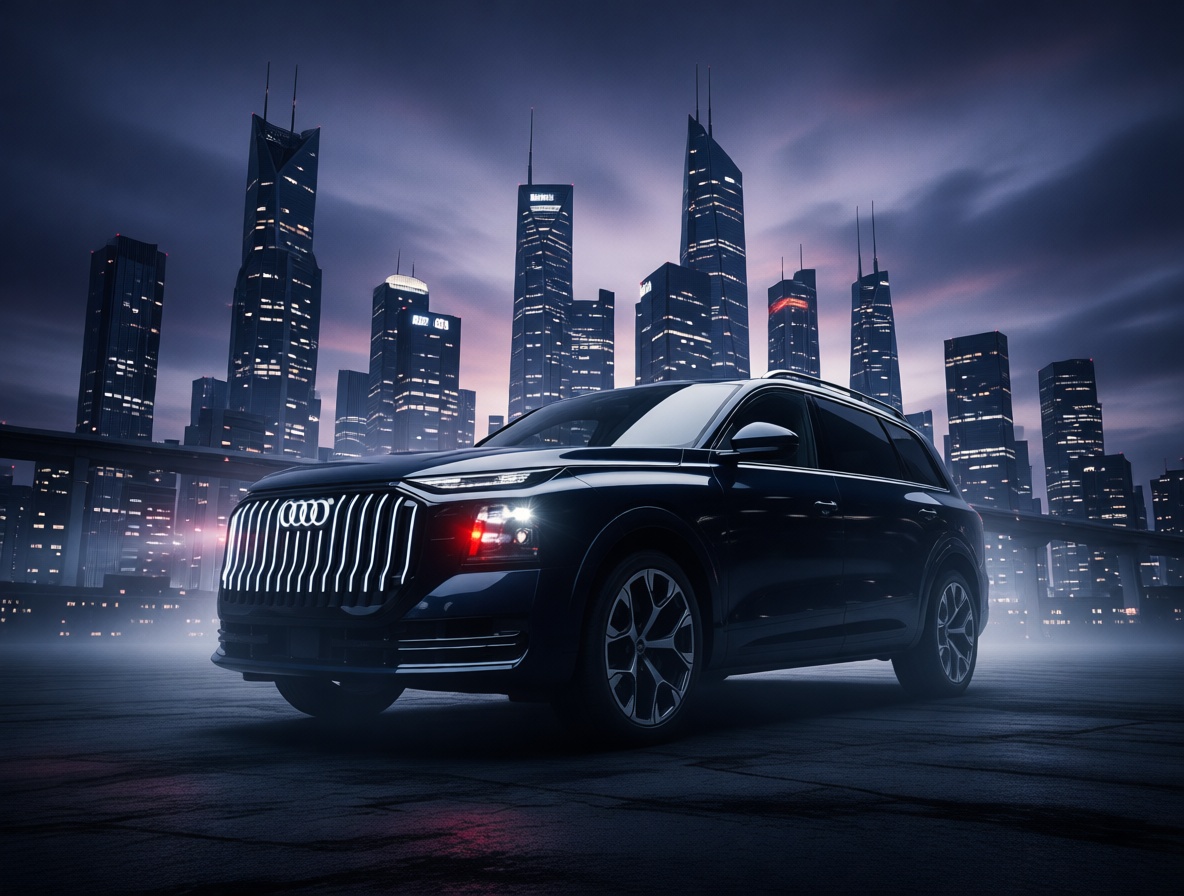
Imagine pulling into a school parking lot and suddenly realizing your car is the new benchmark for family space. That’s the feeling Audi is aiming for with the 2027 Q9, a vehicle that doesn’t just compete with giants like the BMW X7 and Mercedes GLS—it tries to redefine what a family SUV can be. But size isn’t just a number on a spec sheet. It means measuring your garage, rethinking your daily routes, and maybe even rethinking which brand you trust with your family’s comfort. This article will walk you through what the Q9’s sheer scale means for your driveway, your parking habits, and your loyalty to luxury marques. Get ready to see why this Audi might change how you think about family cars.
A First Look That Changes Everything
The first time you see the 2027 Audi Q9 parked beside a BMW X7, it’s not just a comparison—it’s a statement. The Q9’s footprint is noticeably larger, stretching the imagination of what a family vehicle can be. It feels like a new class altogether, one that leaves even the biggest rivals looking almost compact by comparison. For a parent who’s been squeezed into third rows or fought over cargo space, this sight is both thrilling and a little intimidating.
That extra size translates into real, everyday relief. You can finally load up for a weekend trip without playing Tetris with luggage. The kids get breathing room on long drives, and you might even stop arguing about who sits where. It’s not just about looking big—it’s about feeling like you’ve outgrown the old limits. The Q9 promises a new kind of freedom, and once you see it in person, you’ll understand why families are starting to take notice.
Garage Measurements And Parking Realities
But with great size comes great responsibility—and a tape measure. Families considering the Q9 will likely find themselves measuring their garage for the first time in years. That standard two-car garage might suddenly feel tight. You may need to clear out shelves, shift tools, or even consider widening the door. It’s a practical reality that turns a dream car into a home renovation project.
Parking lots become a new kind of puzzle. You’ll start scanning for end spots or extra-wide spaces, avoiding tight corners like a cautious driver navigating a crowded mall. The trade-off is real: more interior room for the family, but more mental effort every time you park. Some families might even rethink which car they take for errands. This isn’t a dealbreaker—it’s a lifestyle shift. If you’re willing to adjust your daily habits, the Q9’s sheer space becomes a luxury you’ll quickly get used to.
A Shift In Showroom Loyalties
Audi dealers are already noticing something surprising: customers who previously swore by BMW or Mercedes are walking into their showrooms specifically to see the Q9. They’re curious about what that extra room feels like—and whether it’s worth switching brands. For families, this isn’t just about specs; it’s about prestige and practicality coming together in a way that feels fresh.
When you step inside the Q9, the impression sticks. The cabin feels more spacious, the third row actually fits adults, and the overall atmosphere whispers ‘we’ve thought of everything.’ That emotional pull—the sense that you’re getting something genuinely different—makes the switch feel justified. You’re not just buying a new car; you’re joining a new kind of family experience. Dealers report that once customers sit in the Q9, they start comparing it directly to their current luxury SUV—and often, the Q9 wins on space alone.
Conclusion

The 2027 Audi Q9 isn’t just another large SUV—it’s a signal that family priorities are shifting. People are willing to measure their garages, rethink parking strategies, and even change brand allegiances for the promise of more room and prestige. That decision isn’t made lightly, but the Q9 makes it feel natural.
If you’re in the market for a family vehicle that truly redefines space, the Q9 is worth a serious look. Visit an Audi showroom, sit in the third row, and see if the extra inches change your mind. You might just find that bigger doesn’t mean harder—it means better.
What do you think? Does knowing Earth’s “delivery story” change how you feel when you look at the stars?