


 Munzir Hakimi
Table of Contents
Introduction
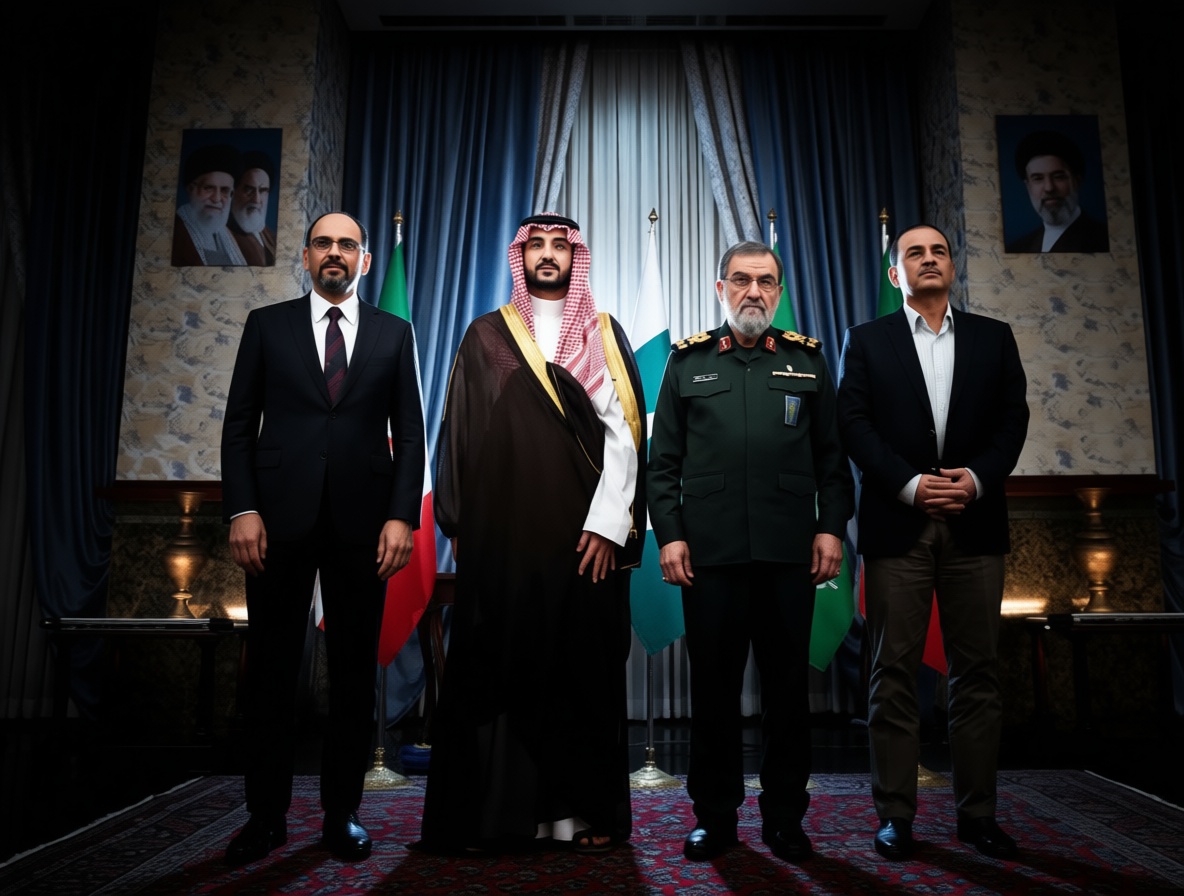
There is a tense feeling around a meeting in Iran, where Pakistan, Saudi Arabia, Turkey, and Iran are talking while the United States and Israel get ready for new strikes. Officials are pushing toward last-ditch talks, and that phrase tells you how little room people feel is left.
For families and markets, the worry is simple: a return to all-out fighting could change travel plans, energy costs, and daily security choices. Even as talks try to hold, people are watching the strike prep too, because both signal what comes next. That is why this moment feels so heavy right now.
Last Chance Talks As New Strikes Loom
Imagine sitting in a room knowing the people outside are getting ready for new strikes, with decisions moving fast and little room for a wrong turn. That is the weight around this meeting in Iran, where Pakistan, Saudi Arabia, Turkey, and Iran come together while the United States and Israel prepare their next moves. Talks feel urgent because time is short, and everyone in the room knows it.
Officials are being pushed toward last-ditch talks, which means this is not a casual sit-down and no one is treating it like one. It is a scramble to find a way to talk before events move faster than the people trying to calm them. That pressure can shape choices quickly, so even a small sign of progress could change the mood in the room.
For anyone watching from outside, the stakes are clear: if the meeting fails, the next step may be harder to pull back from. People may feel the shift first, as leaders decide whether to keep talking or prepare for the worst. That is why this meeting matters even to people who feel far from the table, because a calm word now could mean less fear later for many.
Families And Markets Brace For Pressure
For families, the fear is not abstract: a return to all-out fighting could show up in changed travel plans and worries about safety. Markets feel it too, because energy costs can move fast when people sense trouble ahead. That pressure reaches daily life quickly, turning broad worry into small decisions at home and making people ask what they can afford to risk.
A parent might rethink a trip, a shop owner might worry about prices, and a worker might check the news before leaving the house. These are not dramatic moves on their own, but together they show how uncertainty can tighten everyday choices, and even a hint of wider fighting can make people hold back. The result is a quieter kind of stress that spreads from one household to the next.
Talks are trying to hold the line, and that matters because calm can ease some of the pressure families and markets feel. But while the talks continue, people still have to make travel plans, budget for energy, and decide what feels safe. That is the real cost of waiting, because daily life does not pause for a tense room somewhere else, and the strain is felt in ordinary moments and can color even simple plans.
Strike Prep And A Final Chance Step
As the United States and Israel spin up for new strikes, the meeting between Pakistan, Saudi Arabia, Turkey, and Iran now feels like a final-chance step right now. That is a heavy feeling, because people are looking at the table and at the strike prep at the same time. Attention belongs on both sides, and that mix can make every update feel louder.
The countries in the meeting are not treating this as business as usual, and they are acting as if this is their last real step. That tells you how serious the room feels, and it means hope and fear are sitting in the same room. That seriousness is a warning signal, because when people call something a final step, they are usually trying to stop something worse from taking over.
So the thing to watch is simple: keep an eye on the talks and keep an eye on the strike prep. If one moves while the other stalls, people will read that as a sign of what comes next. This is not just a waiting game, because every signal can change how safe people feel about the days ahead, and that is why it deserves your attention.
Conclusion

The meeting among Pakistan, Saudi Arabia, Turkey, and Iran now feels like a final-chance step while the United States and Israel spin up for new strikes. That is a lot to carry at once, and it can leave people feeling tense about what each move means. Watch talks and strike prep is the simple, practical takeaway.
You do not need to guess the outcome to see what matters: pay attention to whether the room keeps talking and whether the strike prep keeps moving. That focus can help you stay steady instead of being pulled by every signal. Hope and worry can sit together, and noticing both is how you stay clear about what comes next.
What do you think? Does knowing Earth’s “delivery story” change how you feel when you look at the stars?