


 Munzir Hakimi
Table of Contents
Introduction
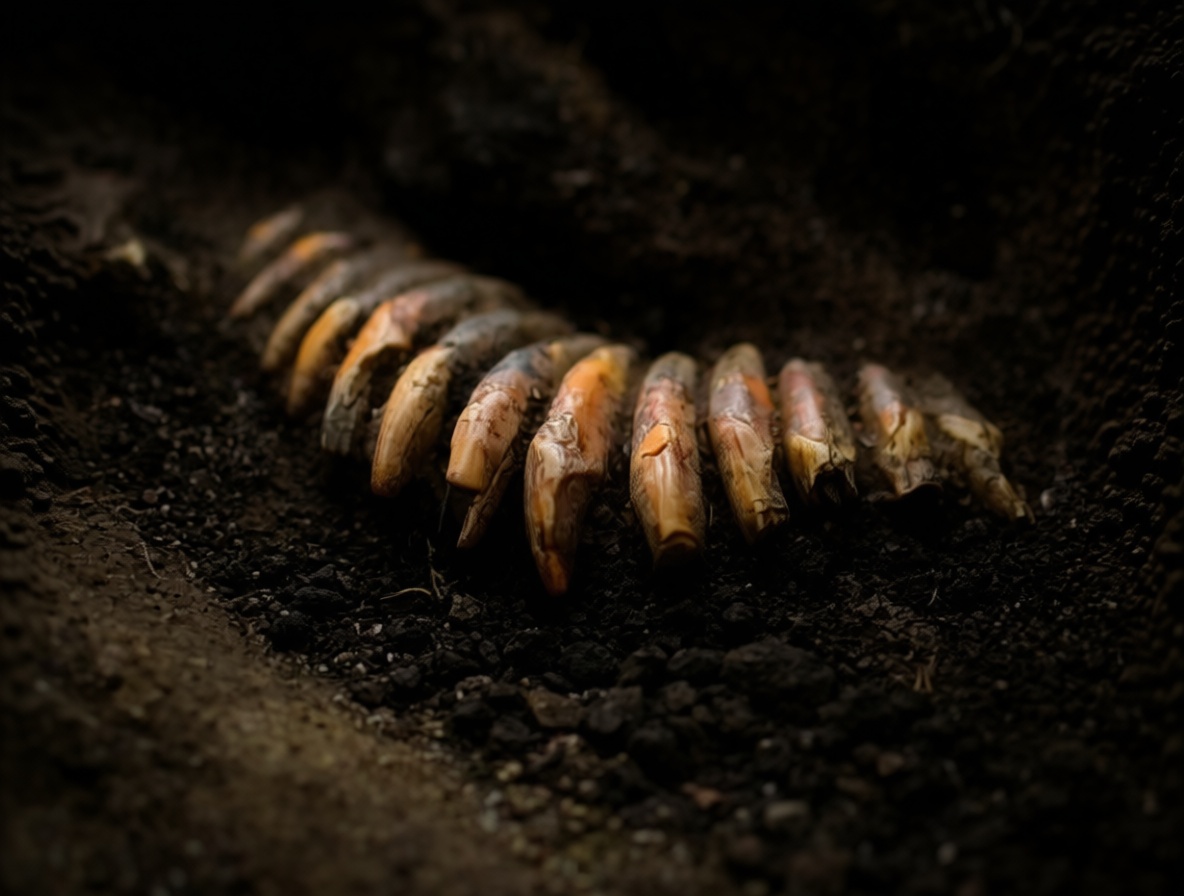
Imagine workers expecting Roman graves, then finding a much older burial underneath. That is what happened in Wrocław, Poland, where a second Neolithic burial—a much older Stone Age grave—appeared in a Roman-era cemetery. Researchers had to stop and ask an unsettling question: how can two eras share one grave field? For locals, that question is not just about old bones. It touches what their town means and who gets to tell its story.
Then the practical side creeps in. Mixed-era graves can slow local digging plans because every layer needs care. Researchers may go back over maps, compare what sits where, and write careful notes. Local officials may mark the cemetery for protection before work starts. That quiet caution can change real decisions about building, storage, and what gets saved. It matters because the past does not stay in the past when a permit or museum shelf is waiting.
When Two Eras Share One Grave Field
Picture a dig where everyone expects Roman graves, then a second much older burial shows up in the same cemetery. That discovery makes researchers pause, because two different eras share one grave field. It is like opening an old family photo album and finding a stranger from centuries earlier tucked between the pages. Why should you care? Because it reminds us that the ground beneath a town is not a neat timeline; it is a stack of stories that can surprise us.
For people living nearby, that surprise can stir wonder and a little unease. If the past can overlap like this, then the place you walk past every day might hold more than anyone guessed. Researchers have to ask how these two eras ended up together, not just what each grave contains. That question matters because it changes how locals see their streets, their history, and their own place in the story.
The pause is not just academic. It is a moment when people decide whether to treat the find as a curiosity or as something that deserves attention. That choice can shape local pride and how a community talks about its roots. When two eras share one grave field, the real question becomes whether we are willing to slow down long enough to notice what we almost missed.
When Mixed Graves Slow Local Plans
Now imagine a cemetery where graves from different eras sit close together. Every layer has to be checked and written down before anyone can just keep digging. That can put local excavation plans under pressure because the careful work takes time. If you were waiting for a building permit, that pressure might feel like a surprise delay you never planned for. It can be exciting and annoying at the same time.
The delay is not just about paperwork. Each layer needs documentation, which can hold up construction permits, museum storage, and lab decisions. Your project, your shelf, your schedule can all get tangled with choices made at the site. That is frustrating if you want to move forward. It is also a reminder that rushing can erase details no one can bring back. That tug between wonder and waiting is very human.
So what happens when the layers keep multiplying? People have to decide what gets recorded first, what gets stored where, and what the lab can handle next. No one can do everything at once. Those small decisions add up to real waits for builders, museums, and neighbors. The past becomes part of daily life, not as a distant story but as a reason a permit sits on a desk a little longer.
Careful Maps And Protection Before Work Begins
After the first stir, researchers may go back to what they already know. They may recheck site maps, compare grave layers, and publish cautious notes instead of bold claims. Slow, careful work can feel less exciting than a headline, but it is how a messy discovery becomes something people can trust. It is like double-checking a recipe before you cook, because one wrong step can ruin the whole dish.
Meanwhile, local officials may flag the cemetery for protection before work begins. That flag is not just a symbol; it can change what happens next on the ground. Protection can mean more care before anything changes. For neighbors, that can bring relief, pride, or worry about what comes next, all at once.
The key is that the checking comes before the shovels. Researchers compare layers and write cautious notes, while officials decide whether the site needs protection. That order matters for everyone because once a layer is torn through, you cannot put it back the way it was. So a quiet map review can become a very personal reason to care about what is under your town. That is why careful notes are not just for experts; they are for anyone who wants the truth to survive.
Conclusion

Researchers may recheck maps, compare grave layers, and publish cautious notes. Local officials may flag the cemetery for protection before work begins. That sounds quiet, but it is a big choice. It decides whether a place gets a second look or gets rushed past.
You do not need to be an archaeologist to feel the weight of that. When maps are checked and notes are shared, a community gets a chance to protect a story before it is gone. The lasting lesson is simple: sometimes care looks like slowing down. That is how the past can still matter to the people living above it.
What do you think? Does knowing Earth’s “delivery story” change how you feel when you look at the stars?