


 Munzir Hakimi
Table of Contents
Introduction
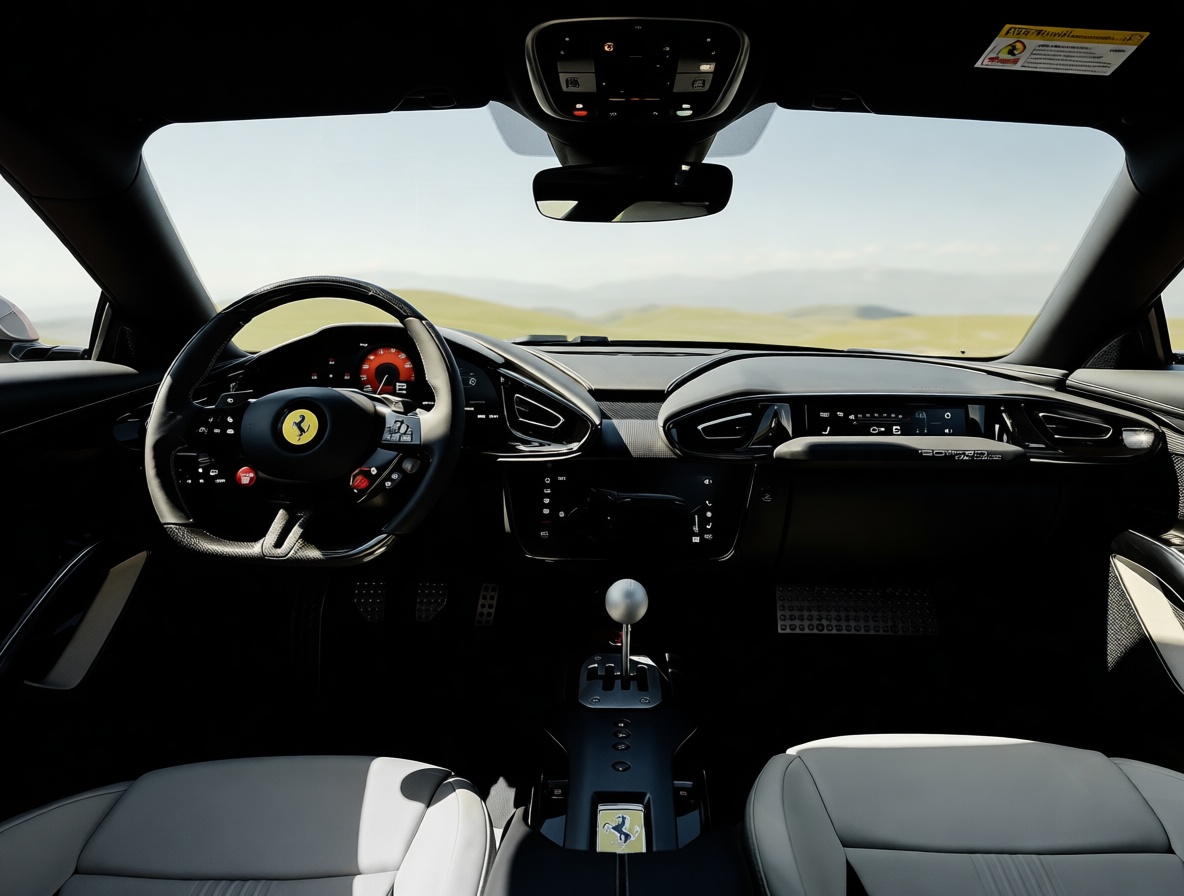
Imagine sitting in a Ferrari, your left foot reaching for the clutch pedal. You press it, feel resistance, find the bite point—just like always. But this time, there’s no mechanical connection. It’s all digital trickery. That’s the future Ferrari is building. And it raises a question that goes beyond cars: what do we lose when a machine perfectly mimics reality? In the coming pages, we’ll explore how this fake clutch works, why it might save you money or break your heart, and what it means for the very idea of an ‘authentic’ driving experience.
This isn’t a distant concept. It’s happening now. And soon, you’ll have to decide what matters more: the real thing or the perfect copy. That choice might change how you see every car you drive.
The Clutch That Tricks Your Foot
You slide into the driver’s seat of Ferrari’s latest 12Cilindri Manuale. Your foot finds the clutch pedal. You push down, feel the familiar resistance, and wait for that perfect bite point. It feels exactly like every manual car you’ve ever driven. But here’s the twist: nothing mechanical is happening under your foot. That sensation is an illusion, created by electronics.
The by-wire system sends electronic signals to your pedal, simulating the friction point feel. It’s designed to trick your foot into thinking it’s a real mechanical clutch. Why should you care? Because the line between real and fake is blurring. You’ll never know the difference from the driver’s seat, but the car underneath is fundamentally different. Your muscle memory is being fooled by code.
Imagine showing off your new Ferrari to a friend. They ask about the clutch feel, and you rave about it. But deep down, you know it’s all digital. Does that change your pride? For some, the illusion is enough. For others, it’s a betrayal of what a manual should be. Your own foot will tell you it’s real—but your brain might not agree.
The Real Vs. Simulated Dilemma
Now imagine you’re shopping for your next sports car. You test drive a Ferrari with this new simulated clutch. It feels perfect. But the salesman admits it’s all electronic. Your decision just got a lot harder. Do you accept a perfect imitation, or hold out for the real mechanical thing?
Car manufacturers love this technology because it saves them money. No expensive mechanical linkages, fewer warranty issues. That could mean lower prices for you. But there’s a catch: purists will call it a fake. They’ll say you’re missing the soul of a manual gearbox. The social pressure might sting.
So when you make your purchase, you’re not just buying a car. You’re choosing which side of history you’re on. Your own pride might hinge on that choice. Will you feel embarrassed parking next to a vintage Ferrari? Or will you be thrilled that your car is smarter than the old ones? The answer reveals what you truly value.
How Ferrari Is Rewriting The Rules Of Authenticity
Ferrari isn’t just experimenting with this tech. They’re making it a priority. For a brand built on raw, mechanical passion, that’s a seismic shift. They’re betting that you’ll value the feeling more than the mechanics. This isn’t a niche feature; it’s their roadmap for the future.
This signals a broader change in how we define an authentic driving experience. It used to be about direct mechanical connection—your foot to the clutch plate. Now authenticity is about whether it feels real enough. Your own senses become the judge. If your brain can’t tell the difference, does the mechanism even matter?
So when you get behind the wheel of a future Ferrari, you won’t ask ‘is this real?’ You’ll ask ‘does this feel right?’ That’s a new world for car lovers. It changes how we bond with our machines—less about raw contact, more about convincing our instincts. The authenticity you once knew is being redefined.
Conclusion

The shift Ferrari is leading isn’t about cheating or lying. It’s about rethinking what ‘authentic’ really means. Your own feelings become the measure of a great drive—not the steel and springs underneath. That might sound scary, but it also opens up new possibilities. You can have the thrill without the mechanical baggage.
So next time you press a clutch pedal, ask yourself what you’re really feeling. Is it the car, or is it the story your brain tells you? In that question lies the future of driving. And maybe, that future is still exciting—just in a different way. The real connection might always have been in your head.
What do you think? Does knowing Earth’s “delivery story” change how you feel when you look at the stars?