


 Munzir Hakimi
Table of Contents
Introduction
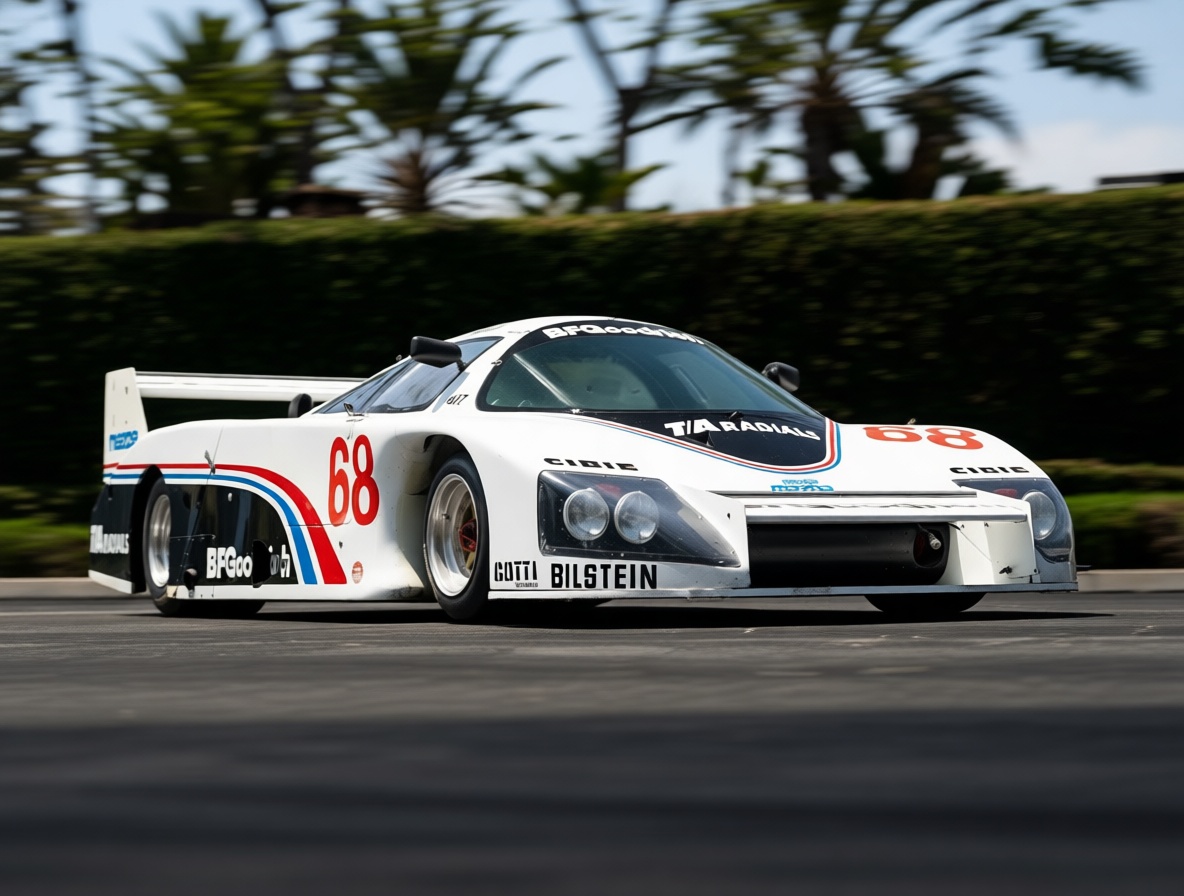
Some wins are supposed to be impossible—until they’re not. The 1984 Lola T616, powered by a rotary engine and rolling on ordinary street tires, won its Le Mans class. That sight triggers disbelief first, and then a strange curiosity about what else you’ve dismissed.
That question pulls everyone in. Collectors feel it when they balance restoration costs against street-tire practicality; race teams feel it when they turn durability data into endurance strategy. The story matters because it gives you permission to rethink your own assumptions.
The Street-tire Win That Sparks Disbelief
Imagine watching a car with ordinary road tires cross the finish line at Le Mans, right in front of everyone. The 1984 Lola T616 did exactly that, powered by a rotary engine, and it somehow won its class. Your first reaction is disbelief, and then that disbelief turns into curiosity about what else you’ve dismissed without a second thought.
That feeling isn’t just about racing; it shows up when a friend succeeds with simple tools or a small team beats a giant. The story matters because it asks you to hold your assumptions loosely. It reminds you that underdogs often win when everyone else is busy polishing expensive gear, and maybe you’ve been selling your own efforts short for years.
Next time you catch yourself thinking ‘no way,’ pause, because that moment of doubt can open the door to a much better question: ‘How?’ You don’t need a perfect or fancy setup to start; you just need curiosity, patience, and the nerve to see what’s possible at all when the odds look completely silly. The Lola’s win is a tiny little alarm bell, reminding anyone who has ever talked themselves out of something before trying that the first step is usually just staying curious.
A Collector’s Dream With A Practical Squeeze
For a collector, owning a rotary Le Mans class winner sounds like the ultimate dream, until the reality of garage time and money arrives. The fantasy is real, but so is the squeeze: restoration costs climb, storage eats your weekends, and every small fix demands a big choice. The bills don’t care how excited you were, and they never wait for the moment to feel right.
The street-tire practicality that makes this car special is also what complicates ownership, because you can’t just admire it in a museum. You have to decide whether to keep the original setup, which feels authentic, or replace it with something safer and more modern. That decision changes how often you drive it, how much you worry, and whether the car feels like a prize or a project.
This squeeze is real for any true collector out there, not just someone with a famous car. The joy of owning something legendary is tied to the stress of keeping it alive, and that tension affects everything from your weekly schedule to your long-term plans. Ultimately, the car asks a blunt question about value: What is a prize worth when it costs more than money, and how much history are you willing to carry?
Street Tires And Smooth Engines Become Race Strategy
Race teams are always looking for an edge that will survive the distance of a long and grueling race. These days, they view street-tire durability and smooth engine dynamics as real data points, not footnotes, when planning endurance strategy. A tire that doesn’t fade and an engine that hums along calmly are no longer just nice to have; they are the quiet foundation of a winning plan, and teams build their strategy around what won’t surprise them.
Think about a long road trip or a tough workweek, and you’ll see the same logic. Everyone wants a hero moment, but the real heroes are often the things that don’t quit, which is why durable tires and smooth engines matter so much. The boring, reliable choice beats the flashy one because it produces fewer surprises, fewer stops, and better chances of reaching the end.
This change matters beyond the track because it reframes what we call smart strategy. It says that paying attention to small, dependable details is not boring; it’s a competitive advantage in any long project. The next time you plan something big, ask yourself which parts of your plan are built to last, then put your energy there instead of chasing the flashiest option.
Conclusion

When race teams treat durability and smoothness as real strategy, endurance starts to feel less like a mystery and more like a plan. It isn’t luck; it’s preparation, and that shift in thinking can calm your nerves before any long task. You stop waiting for a dramatic breakthrough and start trusting the steady, reliable parts of your process.
So look for the details that hold steady when everything else gets noisy. Put your energy into what lasts, and let the flashy stuff fall away. That is how you cross your own finish line: not with one dramatic push, but with the calm confidence of a plan built to go the distance.
What do you think? Does knowing Earth’s “delivery story” change how you feel when you look at the stars?