


 Munzir Hakimi
Table of Contents
Introduction
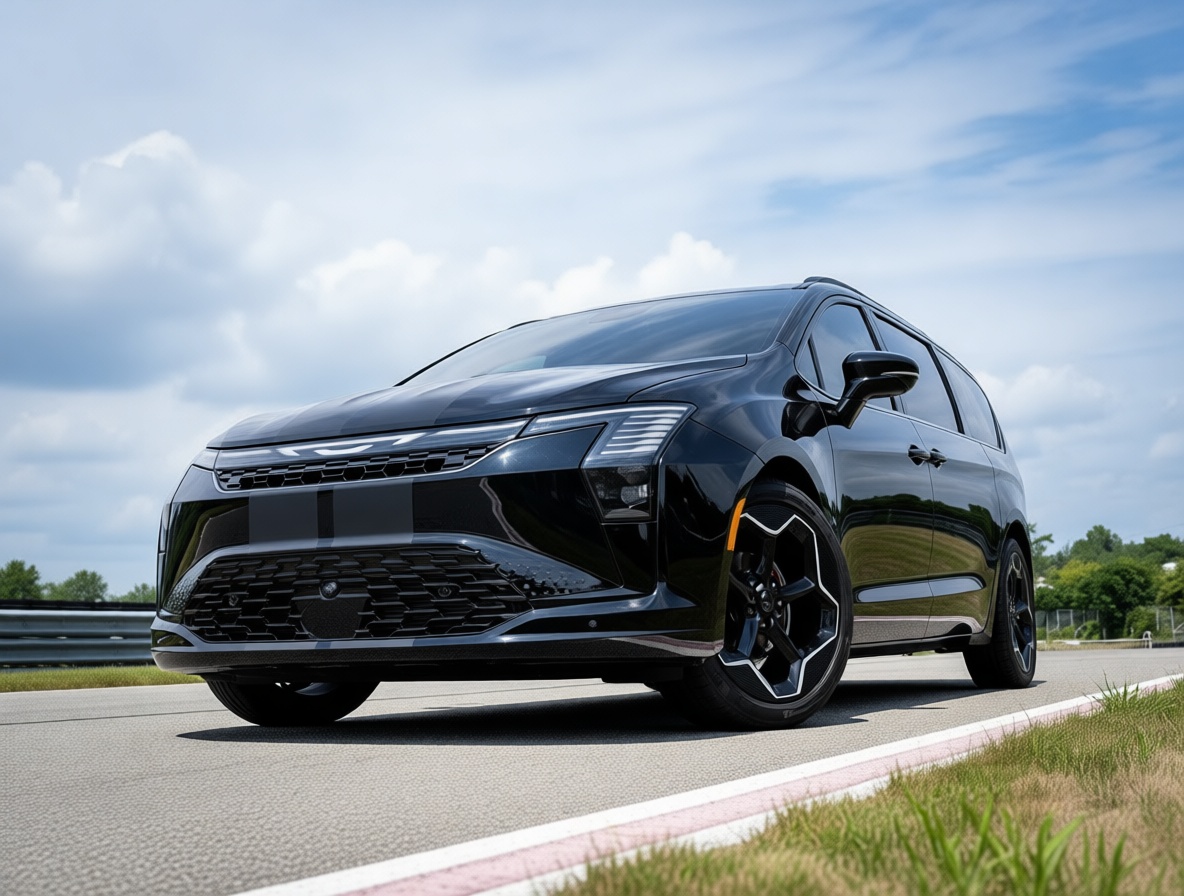
When Chrysler shows a lowered Pacifica, the familiar family hauler suddenly looks sportier—and you can’t help wondering: would they actually build one? That question carries weight because it hints at a van that feels an upgrade instead of an obligation.
A factory-lowered Pacifica could change how families see minivans. It might create a trade-off between space and a steadier drive, and it could even push other automakers to make ride height a showroom feature. For anyone who’s ever felt torn between practicality and fun, this is where the hope begins.
A Familiar Van Suddenly Looks Sportier
When Chrysler shows it off, the Pacifica sits lower than people expect. They walk around it, squint, and realize it’s the same van they’ve driven or ridden in before. But with its body sitting closer to the ground, it has a tighter, more athletic look. The van feels familiar, yet something important has shifted. That’s when the familiar suddenly turns exciting, and the question escapes: ‘Would they actually sell one?’
Seeing a familiar shape changed like that does something to you. It makes you wonder if the family car could feel more alive. The emotional hook is simple: this isn’t a fantasy sports car, it’s the vehicle you already depend on. If Chrysler actually offered this version, many onlookers would stop dreaming and start asking their dealer a serious question. The real change isn’t just the height of the van—it’s the feeling that practicality doesn’t have to look boring.
No one expects a minivan to make hearts race. But a Pacifica in this stance flips that idea without changing the basic layout. It’s still practical enough for the people who rely on it, yet it looks like it enjoys the drive. That mix alone is enough to get people talking, because it promises an emotional upgrade to everyday life. You might not use the word ‘sporty’ to describe your family car today, but after seeing this version, you may start to hope you can.
Families Weigh Cargo Space Against A Steadier Drive
Here’s where things get complicated. Parents don’t just see a nice shape; they see their own routines. Every trip means loading things in and out, helping people get seated, and finding room for whatever comes along. A factory-lowered version makes you pause and think about what gets traded for a steadier ride.
This isn’t just a numbers conversation. It’s about the trade-off between convenience and confidence. Families will find themselves weighing cargo space and step-in height against something harder to measure: the steady, planted feeling that makes a drive less stressful. A lower ride may look great, but you still need enough room for everything that goes along on a normal day. So the question becomes personal: does a more grounded drive matter more?
The payoff could be felt every day. A van that sits lower tends to feel more stable on the road, which means less sway and more control when the ride gets busy. That’s not just a fancy detail—it’s a mood changer. So the question isn’t simply ‘Can we fit everything?’ It’s also ‘Will this make our daily trips feel steadier?’ That’s why this choice matters: it changes how settled you feel behind the wheel.
Ride Height Becomes A Showroom Feature
Chrysler isn’t keeping these experiments behind closed doors. Showing a lowered Pacifica and also testing a lifted version is a public statement. It tells people that ride height isn’t just a detail under the sheet metal—it’s a visible, noticeable part of the vehicle. That matters because if one brand starts making ride height feel like a personality choice, rivals will want in on that attention.
Most minivan makers talk about space, safety, and price. They don’t usually brag about how a van stands. But when a current model starts showing up in different heights, it changes the conversation. Buyers may begin comparing vans not just by what they can carry, but by how they sit on the road. Other automakers will notice people reacting to that, and they’ll think about turning ride height into a showroom feature too.
For families, that could mean more options at the dealership. Instead of every minivan feeling the same, one might sit lower for a sharper feel, another higher for a tougher look. You’d get to choose the version that matches your style and comfort. That’s the real consequence of Chrysler’s public tests: other makers may be inspired, and the family van becomes more personal. It’s the kind of choice that can make a family vehicle feel less like a compromise.
Conclusion

Chrysler’s public tests are about more than one van. They show that ride height can shape how people see a minivan and give other makers something to consider. If other makers follow, families get a real choice between a lower and a lifted version.
Next time you’re shopping for a family vehicle, pay attention to how it sits. Ask yourself which one feels right. If Chrysler’s experiment nudges other automakers to pay attention, ride height becomes a showroom feature. It stops being an invisible detail and starts being part of the choice. That’s a small shift with a big emotional payoff: the family van finally feels like yours.
What do you think? Does knowing Earth’s “delivery story” change how you feel when you look at the stars?