


 Munzir Hakimi
Table of Contents
Introduction
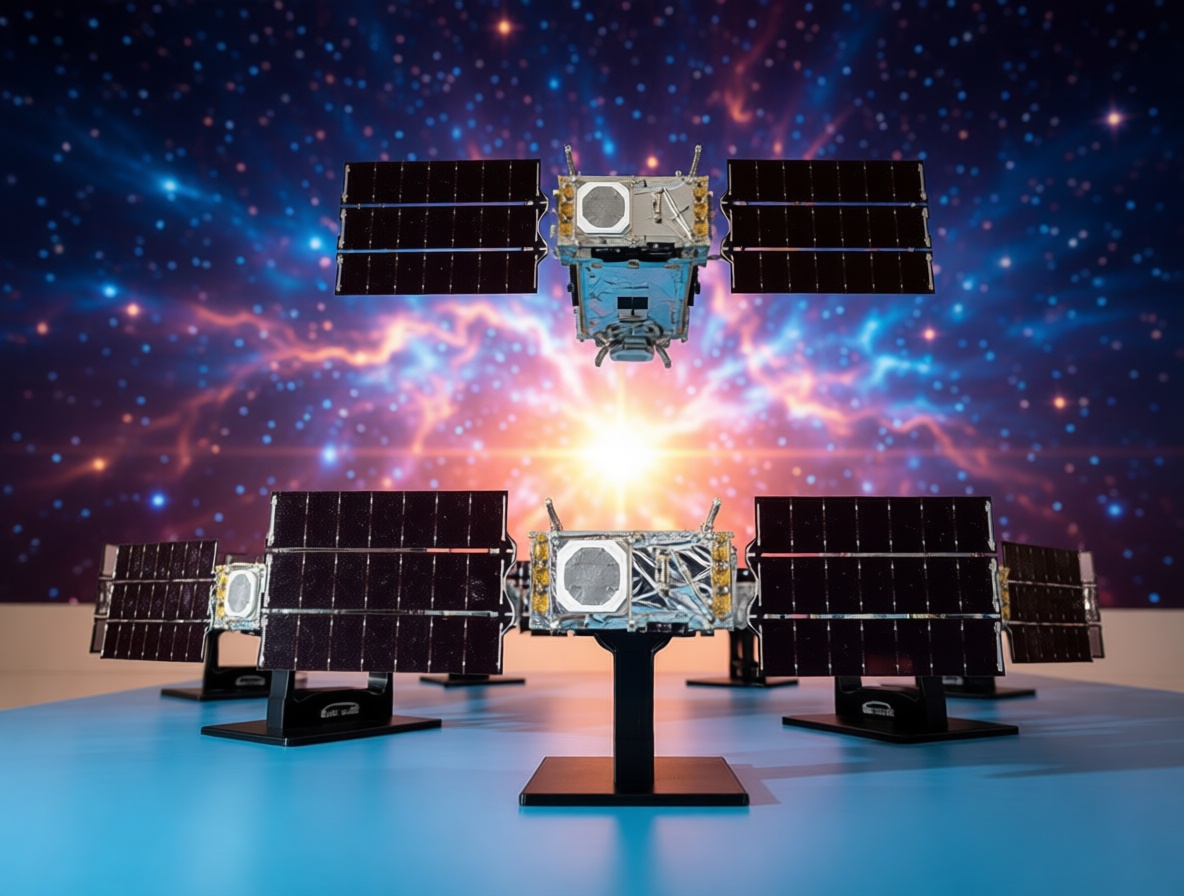
You might not think about solar storms often, but they can knock out your GPS, mess with power grids, and even harm satellites. That’s why NASA’s latest decision to put a new early warning satellite on a Falcon Heavy rocket matters more than you’d expect. Scientists are breathing easier knowing their sensors have a reliable ride. Defense planners are noticing a shift in trust toward commercial rockets. And at home, faster warnings could protect the tech you rely on every single day.
This isn’t just another launch announcement. It’s a move that connects the safety of satellites to the everyday comforts of navigation and electricity. Over the next few minutes, we’ll break down what this switch means for the people building the sensors, for your own routines, and for the future of critical space missions.
Scientists Finally Get A Reliable Ride For Solar Storm Sensors
For years, scientists working on the SunRISE mission worried about how their solar storm sensors would reach space. Delays and uncertain rocket options meant their life-saving warnings might never make it to orbit. Now NASA has assigned the mission to a Falcon Heavy, and those scientists are feeling a wave of relief. A proven, dependable rocket will carry the instruments that detect dangerous solar flares before they hit our satellites.
Why should you care about their relief? Because those satellites aren’t just space junk—they handle your phone calls, weather updates, even banking. A big solar flare could knock them out for days or weeks, disrupting everything you take for granted. This reliable ride ensures the sensors get there on time, giving satellites a fighting chance. For the scientists, it means they can finally focus on the real work instead of worrying about the launch.
Faster Warnings To Protect Your Gps And Power
At home, the real benefit of this switch is speed. Faster warnings mean you might get a heads-up minutes or even hours earlier when a solar storm is heading our way. That might sound minor, but for your GPS and the power grid, those extra minutes can make all the difference. Your car’s navigation, your phone’s map, even the electricity that runs your fridge—all vulnerable to these storms.
Imagine driving in an unfamiliar city and suddenly losing GPS signal. Or worse, a blackout that leaves your neighborhood in the dark without warning. With earlier alerts, utility companies can take protective measures, and you can at least prepare. This upgrade brings a sense of security to everyday routines you probably never realized were at risk. You might not see it, but your daily life just got a little safer.
A Shift In Trust For Critical Missions
Defense planners have been watching this switch closely. By choosing a commercial Falcon Heavy over the usual ULA Vulcan, NASA and the military are signaling a growing trust in SpaceX for missions that really matter. This isn’t just about one satellite—it’s a shift in mindset. When a critical space weather mission goes to a company that hasn’t been the standard choice for decades, it changes the entire landscape.
What does that mean for you? More competition usually leads to better prices, faster launches, and a stronger safety net for the technology you rely on. This vote of confidence could reshape how we defend against solar storms for years to come. It shows that commercial providers are now seen as reliable partners for protecting national security and everyday life.
Conclusion

So the big takeaway here is trust. When defense planners and NASA put their faith in a commercial rocket for a mission that protects our satellites and power grids, it tells you that the space industry is maturing in a very real way. That trust isn’t just a technical decision—it’s a promise that our early warning system is in capable hands.
It means we can sleep a little easier knowing that when a solar storm threatens, we’ll get a faster, more reliable heads-up. The next time you use your phone or flip a switch, remember there’s a chain of decisions, like this one, keeping it all working. That’s worth appreciating.
What do you think? Does knowing Earth’s “delivery story” change how you feel when you look at the stars?


