


 Munzir Hakimi
Table of Contents
Introduction
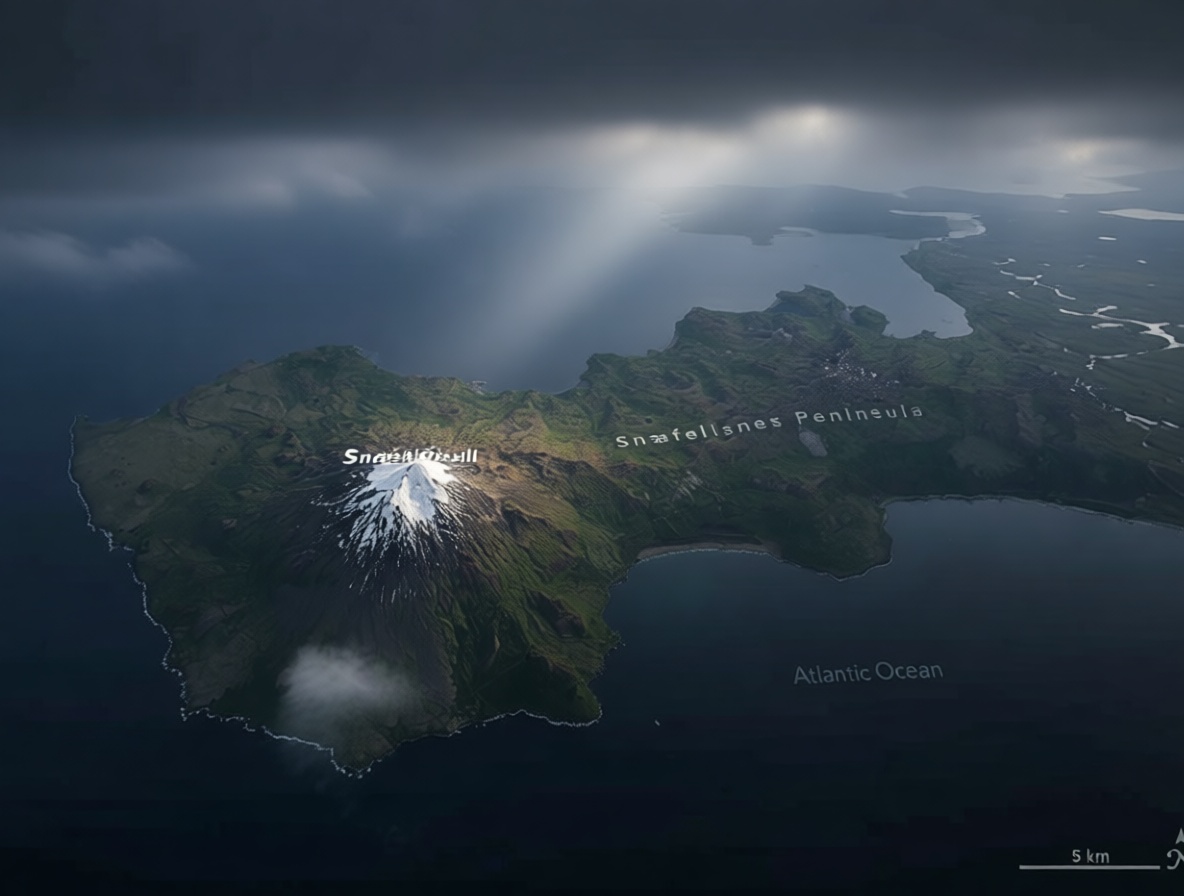
Something rare is coming on August 12, 2026. In western Iceland and northern Spain, the Moon’s shadow will cross the sky, and the people below will go quiet. It’s the kind of moment you remember forever—if you plan for it.
Here’s why this matters now. That eclipse is tied to one specific date, and it will only be visible in a few places. Already, travelers are starting to turn Iceland and Spain into their August 2026 destinations, which means flights and hotels won’t stay open forever. This is your heads-up to sort out what you want to do before everyone else does.
The Moon’s Shadow Falls Over Iceland And Spain
On August 12, 2026, in western Iceland or northern Spain, the sky will darken right in the middle of the day as the Moon moves in front of the Sun. The people around you will stop talking, and it will feel less like an event and more like a held breath. You’ll want to describe it later, but the words won’t come, and that’s exactly what makes the memory yours.
That silence stays with you long after the light returns. In a world that never seems to quiet down, this is a rare chance to stand still and feel small in a good way. You don’t need to understand the science to know that something extraordinary just happened, and it will change the way you watch the sky afterward; suddenly, even ordinary sunsets feel different, and you’ll carry that awareness into your everyday routine.
You’ll catch yourself thinking back to those few minutes at random times. It won’t feel like a story you tell; it’ll feel like a memory you keep. That kind of quiet stays with you and turns a normal day into something a little more curious, like a gentle reminder that the sky still knows how to surprise you.
A Date-specific Money And Time Decision
A total eclipse isn’t a where-you-happen-to-be event. It only touches a few spots in the Northern Hemisphere, and Iceland and Spain are the ones on the list for this one. That means deciding to go is a real money and time decision, not just a casual vacation pick—you’re committing to a specific date and accepting that your calendar has to move around it, because standing in that shadow means building your whole plan around one day. That feels heavier than picking a normal vacation, and it should.
You can’t wander into this by accident. You have to choose a date, check your bank account, and ask for time off. That’s the part people don’t expect: the sky sets the schedule, not your calendar, and that makes it a real trade-off instead of a flexible holiday—you can’t just postpone it until later; there’s no lazy version of this trip.
So the real question isn’t whether it would be cool. It’s whether you’re ready to make it happen. Once you say yes, everything else—dates, routes, costs—starts to line up, and you’ll suddenly understand what you’re willing to invest in a single moment of sky; that discomfort is part of what makes it meaningful.
Travelers Are Already Booking August 2026
If you’ve been thinking about this, you’re not alone. Other travelers may already be turning Iceland and Spain into their August 2026 destinations, and flights and hotels are filling up around the eclipse. That’s both exciting and a little urgent, because it means this trip is becoming real for a lot of people, not just a fantasy.
Think about what that means for you. The easy, open-ended someday version of this trip has a shorter life than you think, and the longer you wait, the more limited your options become—not because of panic, but because other people are making the same call. If you wait too long, you might still find a ticket, but the trip won’t fit the way you hoped, and the good rooms and sensible flight times will have been snapped up by someone else.
If this trip feels like more than a maybe, treat it that way. Start looking at what’s available now, not later. The people who act first get the most choices—and the most room to plan a trip they actually want, instead of settling for whatever is left; that’s not about rushing into a mistake, it’s about giving yourself the gift of choices.
Conclusion

The fact that travelers are already filling flights and hotels tells you something: this is not a distant dream. It’s becoming a real trip for real people, and it could be one for you too. The only difference between watching from afar and actually going is the moment you decide to stop waiting.
So take a quiet moment and check what’s still open. You don’t have to book today, but knowing what’s out there makes the decision feel real. If something pulls at you, follow that nudge—it might be pointing toward exactly the kind of memory you didn’t know you needed.
What do you think? Does knowing Earth’s “delivery story” change how you feel when you look at the stars?


