


 Munzir Hakimi
Table of Contents
Introduction
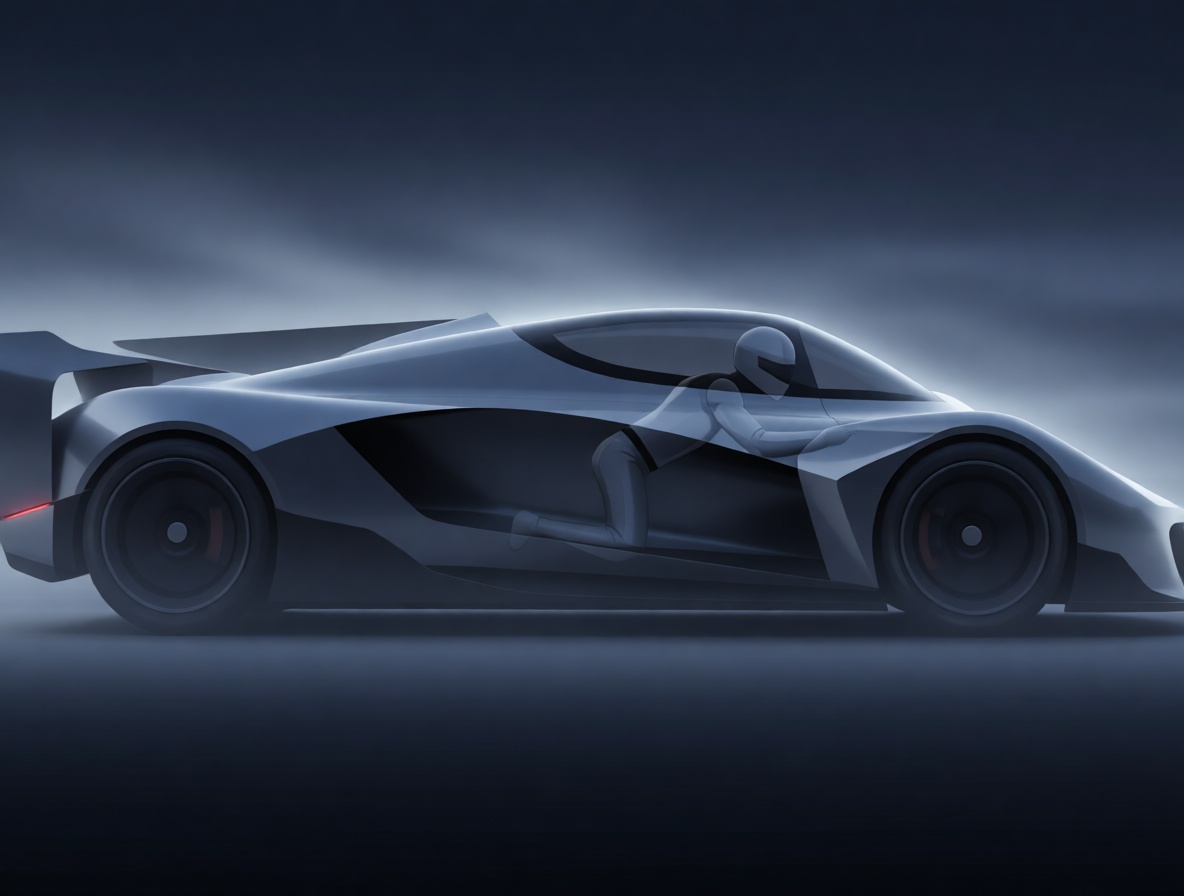
Imagine climbing into your car and suddenly feeling like you’re about to pilot a fighter jet rather than just drive to the grocery store. That’s the promise behind a radical new seating idea: straddling the car instead of sitting in it. It sounds wild, but it’s exactly what one Dutch startup is trying to make real.
At first, the shift from reclined comfort to an upright riding posture seems thrilling—like the difference between being a passenger and being truly in control. But the bigger question is whether this is a genuine breakthrough or just a clever way to get people talking. The answer could change how you feel about your daily commute, or maybe just make you roll your eyes at another marketing stunt.
Straddling Changes Everything About How You Drive
The moment you straddle a supercar instead of dropping into a bucket seat, your whole body reacts. Instead of leaning back in soft leather, you’re sitting upright, legs spread around the vehicle’s spine, hands reaching forward like you’re gripping reins. It’s a sensation that shifts from reclined comfort to a raw, connected riding posture—more like riding a motorcycle or a horse than driving a car.
Why should you care? Because that posture changes how you feel the road. Every bump, every turn travels straight through your spine instead of being filtered by a cushioned seat. You’re not just steering—you’re leaning, balancing, becoming part of the machine. For someone who loves driving, this could turn a boring errand into a moment of pure focus.
The trade-off is real, though. That same rawness might feel exhausting on a long highway stretch. Your morning commute could become either an adventure or a chore, depending on how much you value connection over comfort. Either way, it makes you rethink what “getting in the car” actually means.
Your Morning Commute Could Become A Show
Now picture this: every time you get into your car, you’re not just sitting down—you’re performing a small ritual. Straddling the seat demands a different kind of entry, a bit of a climb, a deliberate placement of your legs. That daily routine suddenly stops being automatic and starts feeling like an event—something that breaks the monotony.
But is that a good thing? For some, the novelty could wear off fast. What’s thrilling on day one might become annoying by day thirty. The design challenges the very idea of what a car should be: a comfortable cocoon that simplifies life. If every trip feels like a spectacle, you might start asking whether you want your commute to be memorable or just easy.
There’s also the possibility that this is nothing more than a marketing gimmick. A startup needs attention, and a weird seating position gets people talking. But for you, the driver, the real question is whether this changes your relationship with driving itself—or if it’s just a clever trick to sell a few prototypes.
When Buzz Matters More Than Horsepower
Automakers have always chased performance—more horsepower, faster lap times, better handling. But lately, the game has shifted. This Dutch startup shows that sometimes seating experiments are designed solely to generate online buzz, not to improve how a car drives. The goal becomes publicity, not engineering.
What does that mean for you? It means you might see more cars that look wild and ride strange, but don’t actually perform any better. The focus moves from what the car can do to how it makes people feel when they see it—or how many clicks it gets on social media. Your next car could be built for Instagram rather than the open road.
Don’t get me wrong: buzz isn’t always bad. A splashy idea can push the industry toward real innovation. But when startups prioritize headlines over handling, the risk is that you end up with a gimmick that looks cool in a video but feels awkward in your garage. The Dutch experiment is a perfect example of how performance can take a back seat to publicity.
Conclusion

At the end of the day, this whole straddle-vs-sit debate reveals something important about where the car industry is heading. Automakers are learning that getting people to talk is sometimes more valuable than getting them to drive fast. The Dutch startup’s experiment isn’t really about comfort or control—it’s about grabbing attention in a crowded market.
So what can you take away from this? Next time you see a bizarre new car concept, ask yourself: is this genuine innovation or just a headline? The way you answer that question could shape the kind of cars you see (and buy) in the years ahead. Because whether you straddle or sit, the real seat you’re in is the driver’s seat—and your choice matters more than ever.
What do you think? Does knowing Earth’s “delivery story” change how you feel when you look at the stars?