


 Munzir Hakimi
Table of Contents
Introduction
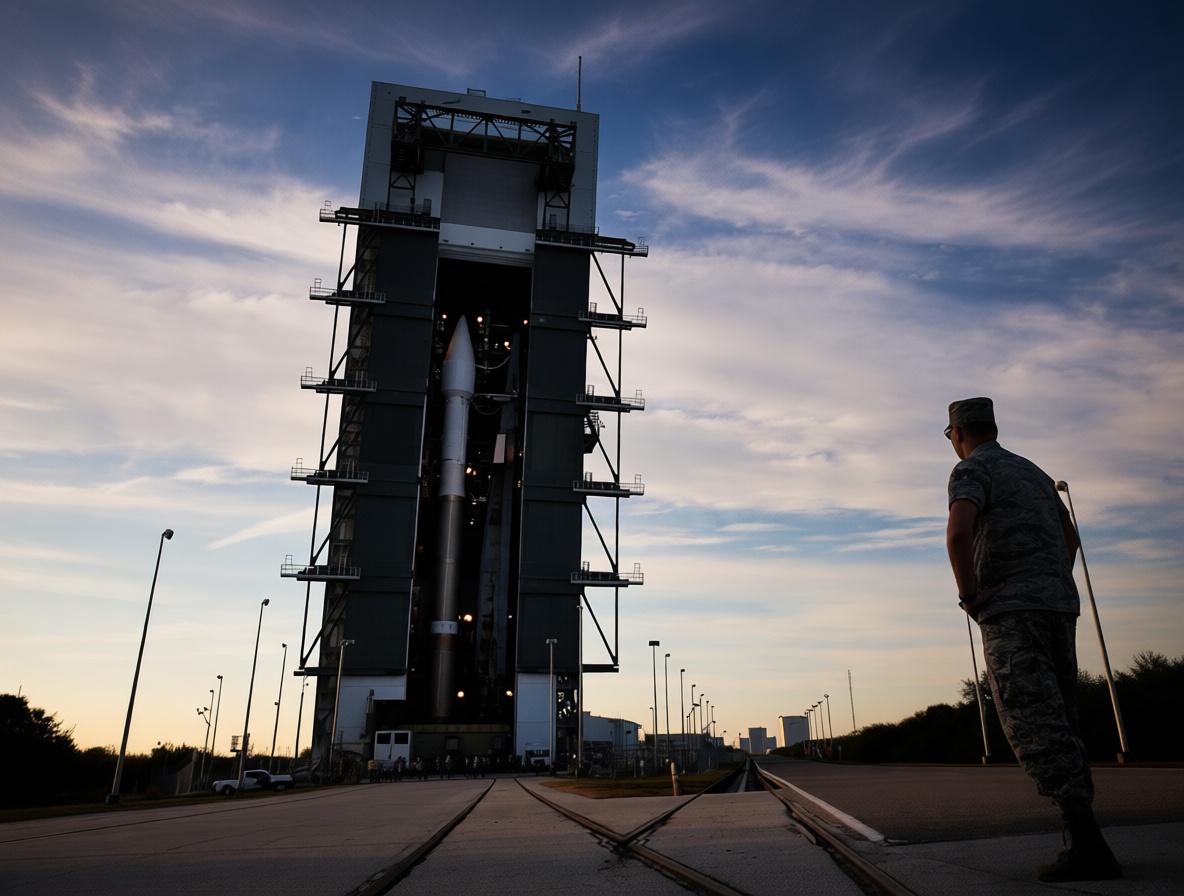
Imagine watching a rocket ready to roar off the pad while a small drone buzzes somewhere it should not be. At Cape Canaveral, a laser may track that drone as explosive-packed rockets sit nearby, and range teams have to decide whether the airspace is truly clear. That choice is not just paperwork. It can shape whether a launch feels safe, delayed, or held at the last second.
The people managing those launches carry costly national security payloads and explosive boosters, so drone defense may add quick calls about delays, safety checks, and countdown holds. At the Cape, laser systems may join launch-range tools, and crews are testing how to take down drones without disrupting rocket operations. That mix of caution and change is what makes this story matter to anyone who looks up and wonders if the sky is under control.
When A Laser Tracks A Drone Near Rockets
Picture a laser at Cape Canaveral following a drone across the sky. Right nearby, explosive-packed rockets sit waiting. Range teams then face a hard question: is the airspace truly clear? The laser may only track. But tracking can still change everything that happens next. It is a quiet kind of tension.
That question matters because guessing wrong is not an option. The teams have to decide whether something in the sky is harmless or a real risk. One unclear drone can make everyone pause. If you care about launches, that pause can feel like a knot in your stomach. That pressure is easy to understand: rockets are powerful, and drones are hard to predict.
This is not about distant machines alone. A decision to wait can change a launch day for anyone watching, working, or hoping to see a rocket rise. Safety becomes the loudest voice. So when the sky is checked again, it is not busywork. It is how people try to keep a dangerous moment from turning into a disaster. For you, the lesson is simple. When a launch is delayed, caution may be the reason. That can be frustrating, but it can also be a relief. That mix of fear and care is human.
Quick Calls When Payloads And Boosters Are At Stake
Launch crews already carry a heavy load before any drone defense enters the picture. They manage costly national security payloads and explosive boosters, where every detail matters. Then new safety calls start coming fast. You do not see that stress from the outside, but it is there in every check and recheck. That is a lot to hold.
Those calls may be about delays, safety checks, and countdown holds. A quick decision can protect a mission, but it can also push back a launch that people have waited for. That pressure lands on real people, not just machines or schedules. For the public, that can mean a launch moves later, and plans change with it. The ripple is small for some and huge for others, depending on what they are waiting to see or do.
Imagine being the person who has to say, ‘Hold everything.’ You know the payload is valuable and the boosters are dangerous. You also know that pausing can frustrate teams, disrupt plans, and create uncertainty. a quick safety call can save lives. So when crews choose caution, they are not being slow. They are carrying the weight of a decision that could affect many people.
Laser Systems Join The Launch Range Tools
At the Cape, the visible shift may be laser systems joining launch-range tools. That changes what the spaceport looks like and how the work gets done. New gear means new routines. From a distance, you might notice new equipment, new checks, or new reasons for a launch to pause.
Crews are testing how to take down drones without disrupting rocket operations. That balance is tricky. You want to stop a drone, but you do not want to throw off a launch that is already moving forward. Every test is a lesson in timing. A drone does not care about schedules, so crews have to think faster than the situation changes. The challenge is to remove one danger without adding another.
For people who follow launches, this can feel like watching a place learn a new skill. The tools may become more visible, and the decisions may become more complex. The goal is safer launches without chaos, but getting there takes practice, patience, and careful adjustments. That learning curve matters because a tool only helps if it fits into the real flow of a launch day. It is quiet progress, but it could still shape what the next launch feels like.
Conclusion

At the Cape, the story is not only about rockets. Laser systems may be joining launch-range tools, and crews are testing how to take down drones without disrupting rocket operations. That is a visible shift, and it asks us to notice that safety is always being rebuilt, not just repeated. It is not a finished answer yet. That shift may feel small, but it is real.
Next time you watch a launch, think about the quiet practice behind it. Someone is testing, adjusting, and trying to take down drones without disrupting rocket operations. Safety is being learned in real time, and that makes every careful step worth watching.
What do you think? Does knowing Earth’s “delivery story” change how you feel when you look at the stars?


