


 Munzir Hakimi
Table of Contents
Introduction
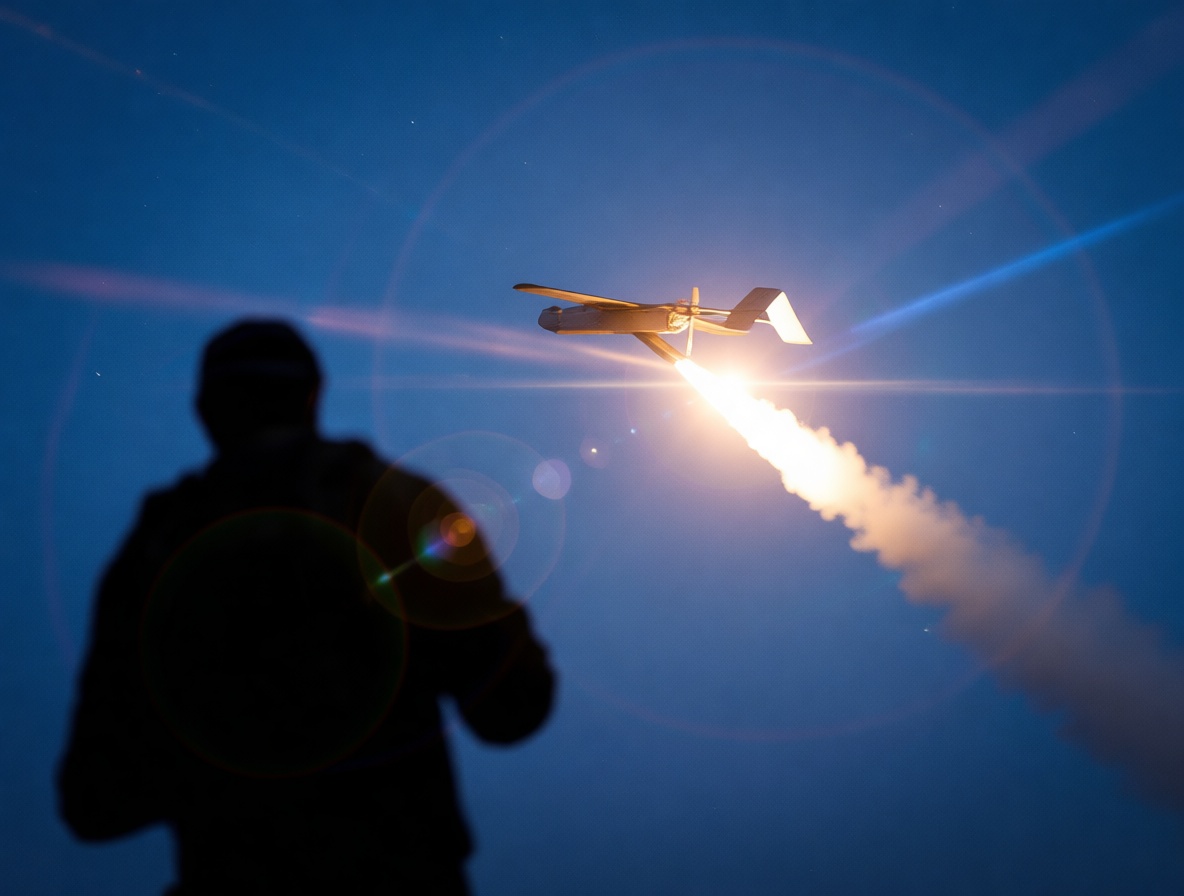
British engineers have opened up data from Avengers AI Labs, and they are seeing Ukraine’s wartime drone footage. That footage is not just something to watch. It is being turned into training inputs for AI models, which means real battlefield moments become lessons for machines. If that sounds intense, it is.
For UK defense teams, this access could shorten the wait for real test scenarios, pushing faster budget calls, data reviews, and security checks. At the same time, companies are shifting away from closed simulation work to analyze Ukraine’s battlefield data, while regulators watch how British firms handle war-derived training sets. The question is not just what the technology can do. It is who carries the pressure when real war becomes the teacher.
British Engineers See Wartime Drone Footage
Picture British engineers opening a data set and suddenly seeing real wartime drone footage from Ukraine. That moment turns war into lessons for software that is supposed to learn on its own. It is not a game or a guess anymore. You do not need to be an engineer to feel the weight of that, because the line between a recorded event and a machine’s future choice is getting thinner.
These engineers are not just watching clips for curiosity. They are feeding real battlefield moments into AI models, so the software learns from things that actually happened. That matters because training with real moments can make the technology feel less like a science project and more like something that could affect real decisions. If the software learns from real battle moments, then its mistakes or successes carry a human echo, even if you never meet the people involved.
For anyone who cares about where artificial intelligence learns from, this is a gut check. Real war footage becomes the teacher, not a pretend scenario. The consequence is simple: the next time you hear about AI models, you may wonder what kind of moments taught them to act, and whether anyone should be allowed to decide that. That can make you feel curious, uneasy, or both, because the stakes are not hidden in a lab anymore.
Access Shortens The Wait For Real Test Scenarios
For UK defense teams, getting this kind of access feels like a shortcut through a long hallway. The wait for real tests may shrink, which sounds like relief until you see what it pushes forward. Decisions that once had time to breathe now need quick budget calls, data reviews, and security checks. That pressure can change how people work and what they approve. For a reader, that means the technology conversation is also a people conversation.
Why should you care? Because faster access is not just a quiet win for a team. It forces money and safety calls sooner, and those calls can affect what tools actually get built and who ends up trusting them. A delay can feel safer, but it can also leave teams stuck with old practice while the real world keeps moving. So the speed is not free; it arrives with stress.
Imagine a team that finally gets the test scenarios it wanted. The relief and the scramble are both real: check budgets, review data, and pass security rules. That scramble is the human consequence: more pressure on people who must decide quickly without losing care. If you have ever had to make a big choice before you felt ready, you already know why this matters.
Companies Shift To Analyzing Battlefield Data
Companies are moving away from quiet, closed simulation work. They are now digging into battlefield data, and that shift changes the mood in the room. It is one thing to practice with pretend problems; it is another to study real war moments and turn them into training sets. For a friend outside the industry, that can feel like watching a door open to something heavy.
Regulators are watching because this is not ordinary data. British firms handling war-derived training sets must show they can do it carefully, and that scrutiny can shape what companies feel free to do next. If you work with or depend on these firms, the consequence is trust: you want to know the rules are being followed. That trust is not abstract. It decides whether people feel safe with the work being done.
This also changes how companies talk about their work. Closed practice gives way to battlefield analysis, and every choice about handling that data carries weight. The practical outcome is that rules and reputation become part of the product, not an afterthought you can ignore. If regulators are watching, then every British firm has to decide what kind of partner it wants to be when the data comes from war.
Conclusion

We are watching companies shift from closed simulation work to analyzing Ukraine’s battlefield data. Regulators are watching how British firms handle war-derived training sets, and that attention is the real story. It is not just about what companies analyze. It is about whether people can trust the way they handle something born from war.
As a reader, the takeaway is simple. Pay attention to who is watching these firms, because that watchfulness shapes trust. If rules and reputation become part of the work, then your sense of safety matters too. That is a quiet but powerful shift, and it asks you to keep caring about how war data is handled.
What do you think? Does knowing Earth’s “delivery story” change how you feel when you look at the stars?