


 Munzir Hakimi
Table of Contents
Introduction
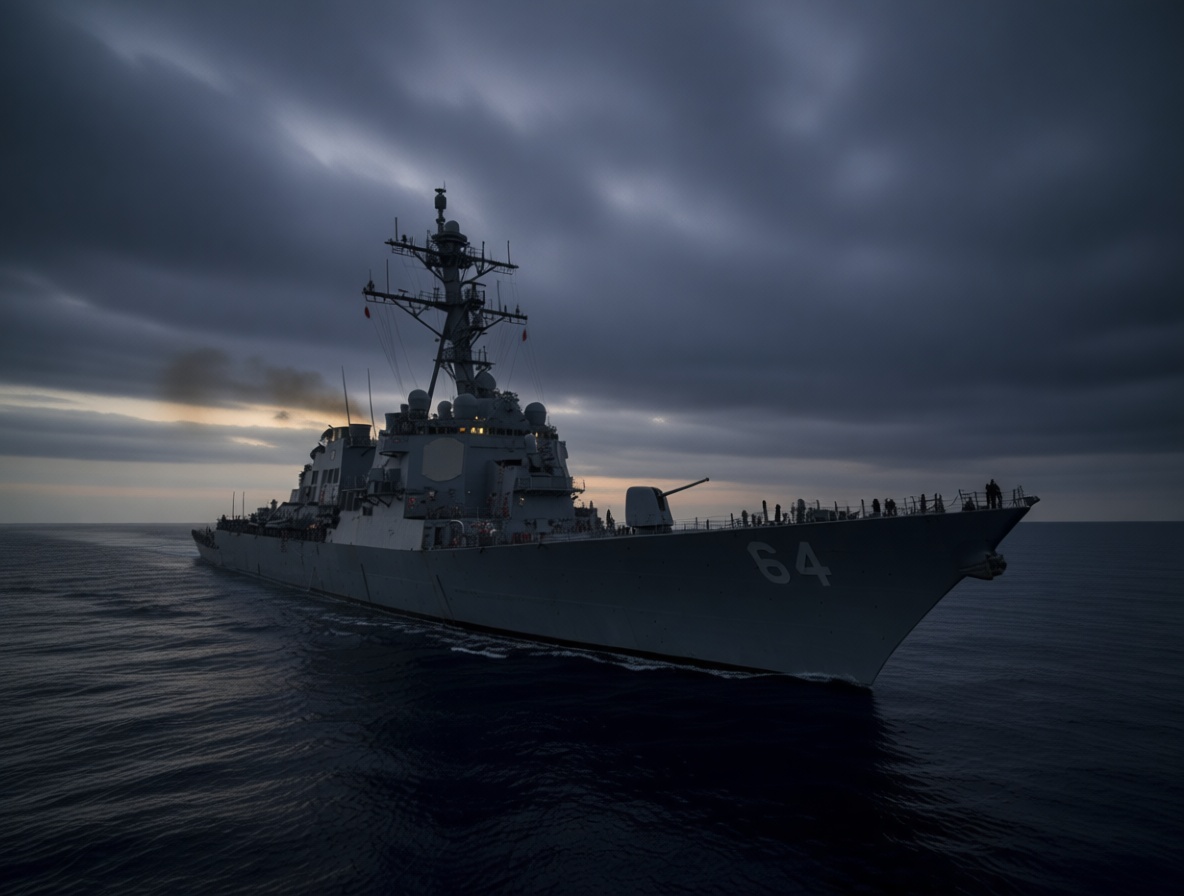
Imagine a fleet of destroyers pulling into one part of the world, all at once. The ships look powerful, but behind them is a chain of tired planners, waiting families, and busy shipyards. That pressure lands on real people.
That is what rising destroyer demand can mean. When ships concentrate in the Middle East, planners may feel the squeeze as maintenance and crew schedules tighten. Families and shipyards may face longer separations and tighter repair windows. Commanders may have to juggle deployments, repairs, and training without adding more ships. The result is not just a military plan. It is hard choices that shape daily life for everyone connected to the ships.
When Destroyers Gather And Planners Feel The Pressure
When US Navy destroyers concentrate in the Middle East, the first people to feel it are the planners. They are not just moving ships on a map. They are trying to meet sustained operational demand while maintenance and crew schedules get tighter. That pressure does not stay on paper. It turns into choices about time, rest, and readiness. That is a lot to carry, even for people used to planning.
A planner may stare at a schedule and see no easy gap for repairs or rest. The demand keeps asking for more, so the calendar keeps getting squeezed. Every squeezed slot hits a crew hard. That is the part the crew may never get to explain. They just live inside the schedule someone else had to force together.
So why should you care? Because tight schedules eventually reach real people. A sailor may get less time to recover, and a ship may get less time to be ready for what comes next. Planner pressure becomes crew strain. When that happens, the cost is paid in exhaustion, worry, and missed moments. It can change whether a crew member gets a true break. That is why a simple calendar problem can feel very personal. That is the hidden human side of rising demand.
For Families And Shipyards The Waiting Gets Harder
For families and shipyards, a destroyer concentration can feel like a door closing on normal life. Longer at-sea stretches mean more time apart, and tighter repair windows make every hour on shore feel rushed. Waiting becomes a daily task. That can wear on relationships and patience in ways people feel every single day.
Tighter repair windows make the work on shore just as intense. Shipyards may have less time to fix what needs fixing, so every hour matters more. hard choices about parts and people. Do you use the part you have, or wait for the one you need? Do you push one team harder, or hold something back? Every choice has a human price, and someone has to live with it.
Those choices are not abstract. They decide whether a ship is ready, whether a worker gets a breather, and whether a family feels supported or forgotten. The strain travels both ways. A longer stretch at sea can make a partner carry more at home. A tighter repair window can make a shipyard worker choose between rest and duty. So why care? Because these are the quiet costs people live with long after the ships move on. It changes plans, moods, and the small rhythms that hold people together.
Juggling Schedules Without More Ships
As destroyers stay concentrated, commanders face a puzzle with no extra pieces. They may need to juggle deployment schedules, maintenance periods, and training cycles all at once. The demand does not shrink. They have to find room for everything, and there is no magic extra ship waiting to help.
That means every choice pulls against another. Send a ship out, and training may get squeezed. Keep it in for repairs, and another schedule may feel the pinch. Commanders have to decide what gives first. That is not a cold math problem. It is a set of trade-offs that can land on real crews. Those decisions can change how ready a crew feels and how much trust they have in the plan.
So why should you care? Because when commanders juggle, the people under them feel the rhythm change. A training cycle may be shortened. A maintenance period may be moved. A deployment schedule may shift in ways that are hard to plan around. someone absorbs the pressure. That someone is often a sailor trying to do the job well while holding onto their energy and focus. It can turn a normal work rhythm into a constant adjustment.
Conclusion

Destroyers staying concentrated is not just a faraway ship story. It is a daily balancing act for commanders who have to juggle deployment schedules, maintenance periods, and training cycles. meet demand without more ships. That means every choice has a ripple, and someone has to carry it. Remembering that can make the headlines feel more human.
So the takeaway is simple. When you hear about ships staying on station, picture the people trying to make the schedule hold together. You may not be able to change the demand. But you can understand the weight behind the juggling. That understanding can change how you talk about the work and the people who carry it.
What do you think? Does knowing Earth’s “delivery story” change how you feel when you look at the stars?