


 Munzir Hakimi
Table of Contents
Introduction
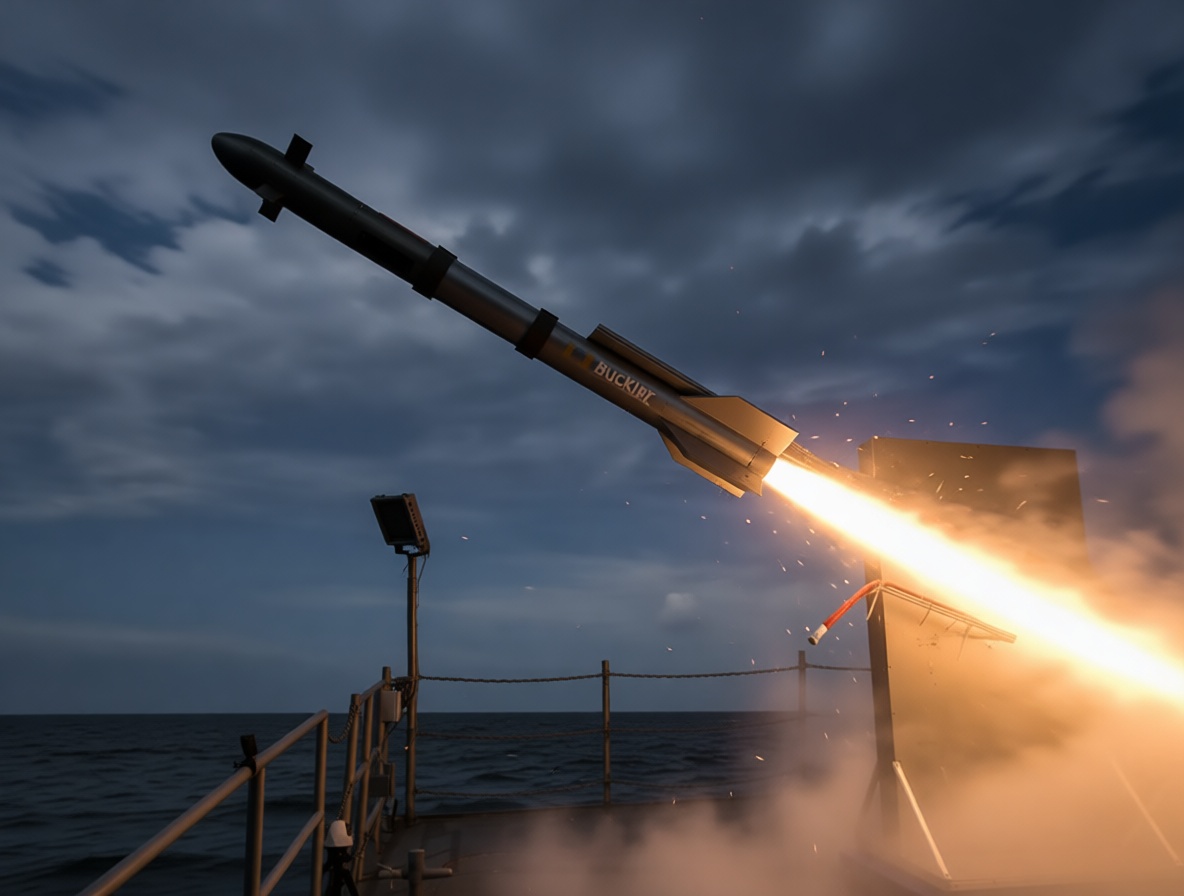
There’s a number floating around defense circles that might surprise you: $750,000. That’s the new cost target for a single defensive interceptor shot. It may not sound small, but for people who follow this stuff, it’s a sign that protection is finally becoming realistic.
That one number connects a few powerful things. It gives program managers room to breathe, gives taxpayers a reason to hope their dollars buy more safety, and could push the military toward stockpiling affordable interceptors instead of guarding just a few expensive ones. For anyone who wants their city to feel a little safer, that’s worth paying attention to.
The Contract That Lets Them Exhale
Imagine spending years trying to build something that protects people, only to watch every plan get crushed by costs. That’s the pressure program managers live with, and it doesn’t stop until a contract actually lands. Now the moment that contract comes through, they can finally exhale—each defensive shot has a target price below $750,000.
That exhale matters because it tells us the project is moving toward something real. A sub-$750,000 target means the math finally works on paper, and when the math works, the people in charge can stop obsessing over every dollar and start focusing on making the interceptor reliable. The feeling is like the first deep breath after months of uncertainty—stress starts to loosen its grip, and the whole effort gains momentum.
Think about it like fixing a car with a cracked engine: if the repair estimate is insane, you walk away and keep living with the problem, but if the quote is high yet still possible, you say okay, fix it. That practical price tag turns a dream into a decision and moves defensive technology from “maybe someday” to “we’re actually doing this.” It also gives the rest of us permission to hope that a shield for our cities isn’t just a fantasy.
Your Tax Dollars And Hometown Protection
Nobody enjoys opening a bill and seeing a number that makes their stomach drop. For taxpayers, every $750,000-per-shot intercept is exactly that: a line in the national defense budget. It can sound like distant government math, but the way that money is spent has a direct effect on how safe we feel in our own communities, and every dollar that goes into one shot is a dollar that can’t go somewhere else.
The good news is that cheaper shots could mean more protection for hometown bases. When each defensive option costs less, the same budget can stretch further and cover more places, including the bases we think of as home. That’s what makes a number feel less like a burden and more like an opportunity: we’re not just paying a cost, we’re investing in a wider safety net.
Think about a family budget for groceries: if a single meal costs a fortune, you plan around that one meal and hope nothing goes wrong, but if the price drops to something reasonable, you can fill the fridge and relax. A $750,000-per-shot intercept still isn’t cheap, yet the possibility of protecting more communities without blowing the budget is what gives taxpayers real peace of mind. That peace of mind is the whole point—our money should buy the safety we expect, and a lower cost per shot is a step in exactly that direction. It matters for every family, not just politicians.
When A Handful Becomes A Stockpile
There is a big difference between owning something rare and owning something you can rely on, and right now militaries often buy a handful of high-cost interceptors because each one eats up so much money. A few powerful weapons can do a lot, but one failure feels catastrophic when your entire defense rests on them. If X-Bow Systems delivers on the contract, that logic flips completely, allowing militaries to shift from guarding a few precious weapons to stockpiling affordable anti-ballistic weapons.
Why should that shift matter to you? Because a stockpile means protection no longer depends on one lucky shot—it means having enough defensive weapons ready to go that a city’s safety feels less like a gamble and more like a plan. That change turns nervous hope into quiet confidence, and it changes the emotional story from “we might be okay” to “we are prepared.” This is the kind of relief that comes from knowing you have options.
Think of it like a first-aid kit at home: one bandage is better than nothing, but a full kit makes you feel prepared for anything. If X-Bow Systems delivers, the military may trade one fancy, terrifyingly expensive option for a shelf full of dependable ones. That swap from “handful” to “stockpile” is a real shift in mindset, and it offers the kind of security everyone wants to feel.
Conclusion

At the heart of this contract is a simple hope: protection shouldn’t be a luxury. If X-Bow Systems delivers, militaries may stop treating anti-ballistic defense as a rare privilege and start treating it as something they can store up and rely on. That shift replaces nervousness with a quiet sense of readiness.
For the rest of us, the lesson is personal too. Big changes often start with one contract that makes the impossible feel possible. The next time you hear about defense contracts, remember that a shift from a handful of interceptors to a real stockpile means a future where safety feels possible. That’s a future worth believing in.
What do you think? Does knowing Earth’s “delivery story” change how you feel when you look at the stars?


