


 Munzir Hakimi
Table of Contents
Introduction
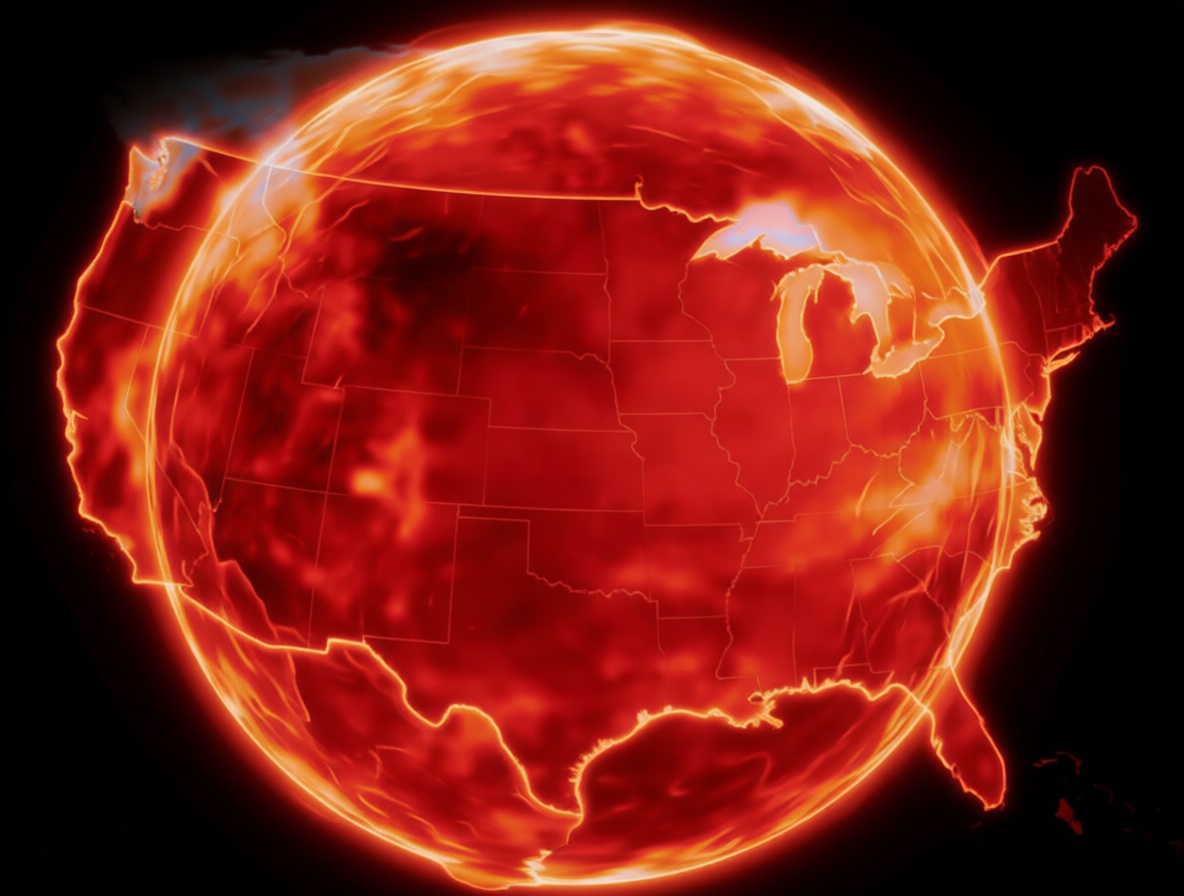
Europe’s record 2026 heat is not a distant headline. It lands on your skin, in your home, and in the places where people work. Before anything else, the body notices: it pulls you toward shade and cooler air. It makes you slow down and pay attention. That is your first warning that normal life is about to change.
From there, the heat starts rearranging everyday decisions. At home, bills climb and sleep gets harder. On the job, crews find new routines just to stay safe. The real story of this heat wave is not the temperature number—it’s how quickly it asks us all to adapt. The coming days will test comfort, patience, and the way we care for each other.
The Body Feels The Heat First
When a record-breaking heat wave settles over Europe, your body doesn’t wait for a forecast to tell you something is wrong. It lets you know immediately. Your skin gets hotter, your breath gets heavier, and your eyes start looking for shade. None of this is random. It’s a signal that you need to cool down now. The longer you push ahead, the louder that signal gets. In moments like these, your body is the first honest voice in the conversation.
That pull toward cooler air is not an overreaction. It’s your system asking for help. If you ignore it, you end up drained, cranky, and less able to enjoy the rest of your day. A short pause in the shade is not wasted time. It’s the difference between a rough afternoon and a dangerous one. Heat doesn’t ask politely, so paying attention early is the only way to stay ahead of it.
The practical move is to respect that urge. Find the coolest spot you can and sit still for a few minutes. The heat will still be there when you get up, but you’ll be ready to face it. That small choice can turn a miserable day into a manageable one. It won’t change the weather, but it will change how you feel while you’re in it.
At Home, The Heat Gets Personal
At home, record heat stops being an outside problem. It follows you inside and shows up in ordinary moments. The cooling bill is higher, the bedroom never feels right, and sleep keeps slipping away. You keep thinking about the cost of cooling the house, even when you’re trying to rest. That matters because when you’re already tired, every small worry feels twice as heavy.
On those hot nights, your mind wanders to the people you love. You check on older family members more often, maybe with a quick call or a short visit, just to hear that they’re okay. It is not just concern. It’s a way to feel useful when the heat makes everyone uneasy. Hearing their voice can settle the worry faster than anything else. Those checks are what keep families close in a heat wave.
The heat can make home feel like a place to escape instead of a place to relax. But remembering why you check on each other can change that. A cooler room helps, and so does knowing you’re not handling it alone. When worry turns into action, it stops weighing on your chest. That shared care is the real relief, and it makes the next hot day easier to face.
Crews Keep Records By Changing Routines
The heat does not stop just because there is work to do. It follows people into rooms where the air barely moves. In hot control rooms, crews who need to stay alert and keep accurate records have to change how they get through the day. They shorten shifts, build in more hydration breaks, and start earlier, before the sun makes things worse. That is not a small adjustment. It’s how people protect their focus and their health.
Starting the day earlier works because the mornings are still bearable. Hydration breaks keep the brain from slowing down, and shorter shifts mean nobody has to push through the worst part of the heat. The routine exists for a reason: it lets the work still get done without wrecking the people doing it. Everyone knows the plan, so no one has to guess when it’s okay to step away. When routines change, the job becomes safer and the records stay reliable.
It can feel strange to plan your whole day around temperature. But crews know that ignoring the heat does not make it go away. A small change in timing can be the difference between a smooth day and a dangerous one. A few minutes of rest can clear the head and prevent mistakes. This is how people keep doing important work even when the weather tries to stop them.
Conclusion

Watching crews adjust their routines shows something important: heat works against us, but we can work around it. They might not be able to change the weather, but they can change the plan. That shift in thinking is what gets them through the day. It is a quiet kind of strength, and it comes from simple choices.
You can borrow that same idea. If the heat is making your day harder, look for the small levers you control—start earlier, take more breaks, give yourself room to breathe. The heat will still be there, but you’ll have a way to move through it instead of just surviving it. And when the next hot day comes, you’ll know what to do.
What do you think? Does knowing Earth’s “delivery story” change how you feel when you look at the stars?


