


 Munzir Hakimi
Table of Contents
Introduction
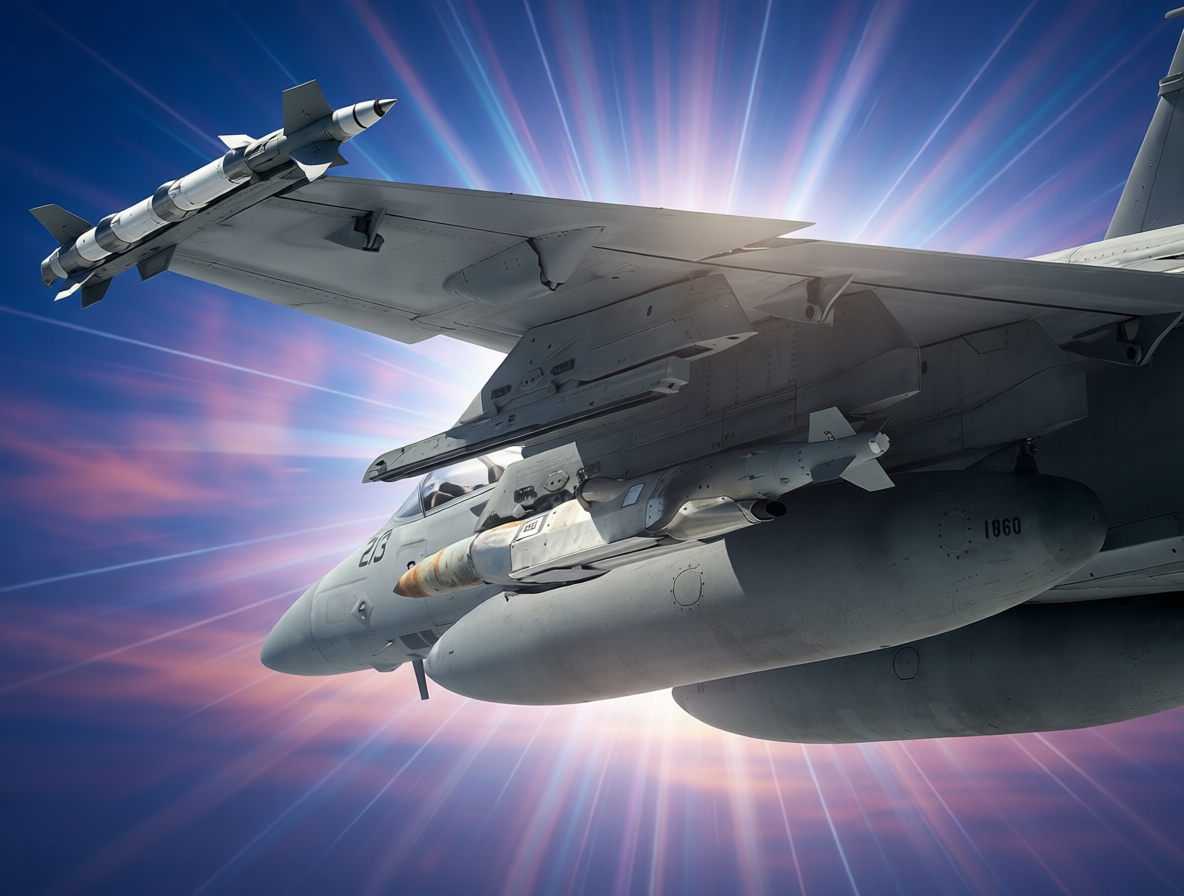
A jet-powered JDAM is a bomb with a small engine, and it can fly 300 nautical miles before reaching its target. For the crew that launches it, every one of those miles is more than distance—it’s a feeling of safety. The longer the weapon flies, the farther they are from danger.
That same reach could change life back home. It may mean fewer forward bases, shorter overseas rotations, and less strain on family schedules. It could also ease pressure on military budgets. And defense programs are beginning to treat powered strike systems as the new expected baseline, not a rare option. The real story is how a longer reach can bring people closer to ordinary life.
When The Engine Lights, Safety Grows
Watching a launch is tense. Then the jet-powered JDAM’s engine lights, and the weapon starts covering ground in a hurry. For the crew behind it, those 300 nautical miles feel like safety.
Think about how much lighter you feel when danger is far away. That’s what this range gives the people who launch it. A long flight means less fear while doing a dangerous job.
Fewer Bases Means More Nights At Home
A weapon that can reach farther means the military doesn’t need bases sitting right next to trouble. Those forward bases—places close to the action—can be fewer. For families, that shift is a form of relief.
Shorter overseas rotations make the calendar easier to live with. Fewer months apart means less pressure on the people waiting at home. Daily life begins to feel more stable.
It also eases pressure on military budgets. Fewer bases means fewer things to fund, and that takes a load off the defense budget.
Powered Strike Systems Become The New Baseline
Something important is happening in defense programs. Jet-powered JDAMs are starting to be viewed as the new range baseline, not as a rare specialty. For defense planners, this range is becoming the expected standard.
For a long time, weapons relied on gravity-only glide kits—they fell or glided toward the target. Now the thinking is shifting toward powered strike systems with engines of their own. It’s a quiet but major change in how weapons are planned, and the exception becomes the rule.
Once that baseline changes, future weapons will be expected to have this kind of reach from the start. It influences what gets built, what gets funded, and what troops will see as normal. For anyone paying attention, it’s a clear signal about the future.
Conclusion

Whenever a new standard takes hold, it changes how people think about what’s possible. Powered strike systems becoming the baseline means future weapons will be designed with range in mind from the start. That’s not a small tweak; it’s a different way of seeing the job.
For the rest of us, it’s a reminder that quiet shifts are happening all around. When defense discussions come up, talk about range baselines isn’t just jargon. It’s a sign that powered strike systems are becoming the expected baseline. Paying attention to that shift helps you see where the future is going.
What do you think? Does knowing Earth’s “delivery story” change how you feel when you look at the stars?