


 Munzir Hakimi
Table of Contents
Introduction
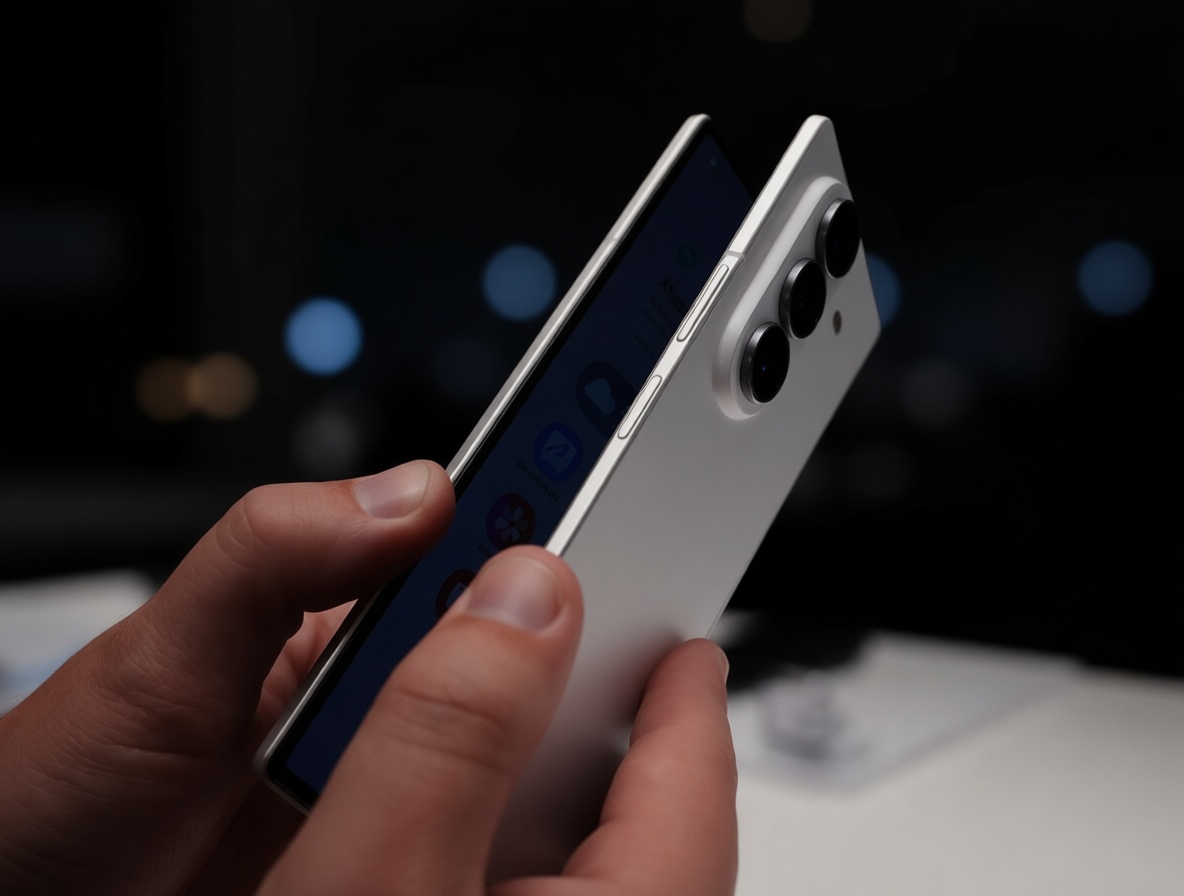
You finally got your hands on the Z Fold 7, and for a few months, it felt like the future. The screen unfolded into a mini tablet, the multitasking was smooth, and you convinced yourself this phone would last you a good two years. But then rumors start swirling about the Z Fold 8 Ultra, and that quiet satisfaction begins to crack. The real question isn’t about specs anymore – it’s about whether your timing just cost you a year of better experiences.
Brightness upgrades, faster charging, and a new pressure to upgrade every twelve months are all on the table. You’re left wondering if waiting would have saved you money and regret. That nagging feeling of being one step behind is exactly what this article is about. Let’s walk through what those early leaks mean for your wallet, your schedule, and the way you think about phones from now on.
Brighter Screens And Faster Charging – Immediate Sensory Improvements
The first time you pick up the Z Fold 8 Ultra, the screen hits you differently. It’s not just a little brighter – it’s a glare-killing, outdoor-friendly leap that makes the Z Fold 7 look dim and washed out in direct sunlight. You didn’t realize how often you squinted until this moment. And when you plug the new phone in, the battery jumps from empty to full in what feels like half the time. That relief of a quick top-up before rushing out the door suddenly becomes a daily luxury you didn’t know you needed.
Now put yourself back with the Z Fold 7. After experiencing those upgrades side by side, your current phone starts to feel sluggish, almost dated. The brighter display isn’t just a number on a spec sheet – it’s the difference between reading comfortably on a sunny bench and angling your phone like a secret agent. The faster charging isn’t a gimmick; it’s the feeling of not having to babysit your battery all day long. Every time you grab your older device, you’re reminded of what you’re missing.
This is where the emotional trap snaps shut. You loved your Z Fold 7, but now familiarity tastes like compromise. The question isn’t whether the Ultra is better – it’s whether your patience can survive another year of knowing a brighter, faster version is already out there.
The Pressure To Upgrade After Just One Year
Let’s talk about what that choice actually costs you. Upgrading after a single year means pulling out your wallet again – not just for the phone, but for the case, the screen protector, the trade-in hassle. That sudden financial hit lands right when you least expect it, and it forces a decision you thought you had two years to make. You start calculating monthly payments, wondering if a brighter screen is really worth another $50 a month on your bill.
But it’s not just money. There’s the hidden cost of your schedule. Setting up a new phone, transferring data, logging into a dozen apps, teaching your thumb the new fingerprint sensor position – those hours add up fast. You might even need to plan around a launch day, rearrange your work, or deal with weeks of backorder emails. The convenience of a better device suddenly clashes with the inconvenience of actually getting it into your hands.
Here’s the real sting: you already did all this a year ago. The excitement of unboxing the Z Fold 7 is still fresh in your memory, and now you’re being asked to repeat the whole process. That fatigue of starting over makes you question whether the upgrade is about need or just fear of missing out. Your wallet and your calendar are both screaming at you – and neither one is wrong.
Shifting To An Annual Upgrade Rhythm
Something bigger is happening beneath the surface. The way you used to think about phones – buy one, keep it for two or three years, then replace – is quietly fading. The Z Fold 8 Ultra isn’t just another device; it’s a signal that foldable phones are moving to a yearly dance. You start planning your purchase around a release calendar instead of your own needs, and that shift changes everything.
At first, it feels exciting. A new phone every year means you always have the latest trick, the best camera processing, the most refined hinge. That dopamine hit of novelty becomes a regular rhythm, and you begin scrolling leaks in March for a phone that won’t drop until August. But soon, the excitement turns into pressure. You find yourself skipping a year because you have to, not because you want to. The upgrade cycle starts controlling your decisions instead of the other way around.
This rhythm reshapes your relationship with your device. Instead of a trusted tool that ages gracefully, your phone becomes a temporary companion you’re already mentally replacing before you’ve even taken off the plastic wrap. You stop customizing it deeply because you know it’ll be gone in twelve months. That sense of permanence, of really knowing a device, evaporates. And the question becomes: are you upgrading for the features, or just because the calendar says it’s time?
Conclusion

So where does that leave you? The annual upgrade rhythm isn’t just a marketing trick – it’s a new way of living with technology that asks more from your patience and your bank account. You’ve seen how easily a brighter screen or faster charge can make you feel behind, even when your current phone works perfectly fine. The real takeaway is about breaking the habit of comparison and choosing what actually matters for your daily life.
Maybe you decide to skip this round and let the next wave mature. Maybe you embrace the yearly refresh because you genuinely love having the latest tools. Either way, understanding that the calendar is now pushing you faster than your needs should gives you power. You get to decide if you’re dancing to the upgrade rhythm or writing your own beat. The Z Fold 8 Ultra will be great, but your peace of mind is worth more than any spec sheet.
What do you think? Does knowing Earth’s “delivery story” change how you feel when you look at the stars?